
The rapid acceleration of the Southeast Asian automotive landscape has reached a critical juncture as global legacy manufacturers scramble to secure their footing against dominant regional players. Southeast Asia has transformed into a high-stakes battleground for electric mobility, driven by aggressive government subsidies and a growing middle class eager for sustainable transportation. Within this shifting environment, the strategic partnership between Stellantis and Leapmotor represents a calculated attempt to bypass traditional barriers to entry by blending European manufacturing heritage with Chinese technological agility. This collaboration arrives at a moment when established giants find themselves pressured by the swift expansion of Chinese brands into Thailand and Malaysia. The success of this joint venture signifies a fundamental shift in how international conglomerates approach emerging markets, moving away from solitary operations toward integrated, cross-border alliances that leverage localized expertise and shared assets.
Industrial Integration and Market Entry
Synergy Between Global Logistics and Tech Innovation
The formation of Leapmotor International, a joint venture controlled by Stellantis, serves as a blueprint for a new era of global industrial cooperation aimed at optimizing the supply chain for affordable electric vehicles. By acquiring a significant stake in the Chinese startup, Stellantis has effectively gained immediate access to a suite of advanced platforms and battery technologies that would have otherwise required years to perfect. This arrangement allows the conglomerate to utilize its vast global distribution network and existing manufacturing facilities to scale production outside of China with unprecedented speed. In the ASEAN region, this synergy is particularly potent because it combines the brand recognition and logistical prowess of a global titan with the lean architecture of a tech-focused innovator. The resulting vehicles are designed to compete on price without sacrificing safety standards or luxury touches that discerning consumers expect from Western-backed brands.
Competitive Pressures and Localized Production
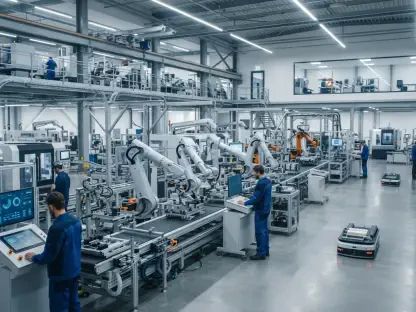
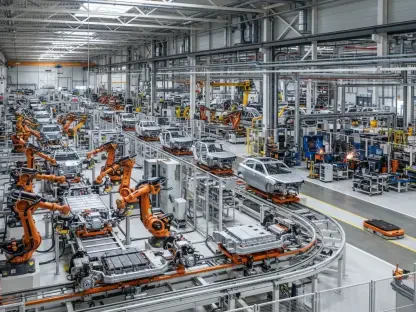
The competitive landscape in Southeast Asia is characterized by a fierce race for localized production, as governments incentivize manufacturers to establish domestic assembly plants to boost local economies. Brands like BYD and Great Wall Motor have already established significant footholds in Thailand, creating a dense ecosystem of suppliers and specialized labor that new entrants must navigate. To remain competitive, the Stellantis-Leapmotor alliance is prioritizing the development of assembly hubs within the ASEAN region, particularly in Malaysia and Indonesia, to benefit from local content requirements and tax exemptions. These facilities are becoming centers for high-tech manufacturing, incorporating automation and data analytics to streamline the assembly of modular EV platforms. By shifting from importing built-up units to local manufacturing, the joint venture can significantly reduce costs, passing these savings on to consumers who are increasingly price-sensitive in this evolving market.
Consumer Impact and Infrastructure Development
Enhancing Accessibility Through Smart Infrastructure
Addressing the logistical challenges of charging infrastructure is a cornerstone of the strategy employed by the Stellantis and Leapmotor partnership to ensure widespread adoption of their electric models. While major urban centers in the ASEAN region have seen a surge in public charging stations, rural and semi-urban areas still face significant gaps that deter potential buyers from making the switch to electric power. The joint venture is actively collaborating with local energy providers and private developers to build a more robust network of fast-chargers, integrated seamlessly into the vehicle’s navigation systems. By offering bundled home charging solutions and partnering with retail chains to install charging points at high-traffic locations, the alliance is working to eliminate range anxiety for the average commuter. This holistic approach ensures that the purchase of a vehicle is accompanied by the necessary ecosystem to support it, making the transition to electric mobility a frictionless experience.
Financial Frameworks for Widespread Adoption
Technological accessibility also extends to the financial side of vehicle ownership, where the partnership is leveraging Stellantis’ established financial services to offer competitive leasing and financing options. In markets where the initial purchase price remains a barrier, these financial products are essential for bringing high-quality electric vehicles within reach of the middle class and young professionals. The integration of advanced battery management systems also helps maintain high residual values for these vehicles, further incentivizing consumers who are concerned about the long-term viability of electric technology. By focusing on the total cost of ownership rather than just the sticker price, the alliance provides a compelling argument for the economic benefits of going green. This strategy is complemented by comprehensive after-sales support networks that utilize remote diagnostics and over-the-air updates to minimize maintenance downtime and improve long-term reliability.
Long-term Regional Economic Transformation
Stakeholders within the ASEAN automotive sector recognized that the alliance between Stellantis and Leapmotor provided a functional roadmap for overcoming the traditional barriers to electric vehicle adoption. Regional governments moved to harmonize their regulatory frameworks to facilitate smoother cross-border trade of EV components, while local utilities prioritized the upgrading of power grids to handle the increased demand from rapid-charging networks. Automotive executives shifted their focus toward establishing decentralized service hubs that utilized real-time data to predict maintenance needs, thereby increasing consumer trust in new technologies. Investors funneled capital into localized battery production and raw material processing, ensuring that the supply chain remained resilient against global fluctuations. The industry transitioned toward a more collaborative model, where software integration and sustainable manufacturing became the primary metrics for success in the regional market.