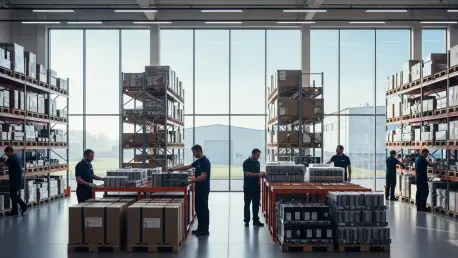

Behind the glossy facade of ultra-cheap digital storefronts and massive cargo ships lies a staggering reality: the European Union is currently hemorrhaging one billion euros every single day in trade imbalances. This fiscal drain, amounting to an annual 360-billion-euro trade deficit with China, has prompted a decisive policy shift in Brussels. The era of the “duty-free bargain” is coming to an end as the European Commission moves to protect its domestic markets. At the heart of this conflict is the sheer scale of modern trade; last year alone, a record-breaking 5.9 billion low-value packages crossed European borders, creating an administrative and economic logjam that traditional brick-and-mortar retailers simply cannot withstand.
The proliferation of these parcels has exposed a critical vulnerability in the European market. While consumers enjoy the immediate gratification of inexpensive goods, the long-term sustainability of this model is increasingly questionable. Reports indicate that a significant portion of these high-volume imports fail to meet basic safety and environmental standards, often arriving in excessive non-recyclable packaging or containing hazardous materials. By allowing these goods to bypass standard tariffs, the EU inadvertently created a landscape where environmental non-compliance became a competitive advantage. The new measures represent an attempt to internalize these hidden costs and restore a sense of equilibrium to a retail sector that has been under siege by digital disruption.
Reclaiming Economic Sovereignty: The Shift Toward Strategic Autonomy and Industrial Protection
For decades, the 27-nation bloc operated under the assumption that open borders and globalized supply chains were the primary drivers of prosperity. However, the current economic climate has forced a pivot toward “strategic autonomy,” a framework designed to insulate Europe from external shocks and predatory trade practices. This shift is not merely about protectionism; it is a defensive reaction to global overcapacity and the heavy state-funded subsidies that allow foreign firms to dominate key sectors. The industrial backbone of Europe, once considered unassailable, now finds itself vulnerable to a “China Shock 2.0,” where advanced manufacturing and high-tech goods are exported at prices that ignore market logic.
This new reality has fostered a rare moment of transatlantic alignment between the European Union and the United States. Both powers are increasingly wary of becoming overly dependent on a single source for critical materials and manufactured goods. By implementing these duties, the EU is signaling that it will no longer tolerate trade patterns that systematically undermine its own industrial capacity. This strategy aims to foster a more resilient domestic economy capable of producing essential goods, from steel for infrastructure to the consumer products that fill store shelves. The goal is a rebalancing that ensures European companies are not pushed out of existence by artificially deflated prices.
A Two-Pronged Offensive: Taxing E-commerce Giants and Shielding the Steel Industry
The most immediate change for the average consumer is the elimination of the long-standing “De Minimis” exemption. Previously, parcels valued at less than 150 euros were exempt from customs duties, a loophole that fueled the rise of e-commerce giants. Under the new regulations, a mandatory 3-euro customs duty is now applied to every single package, regardless of its low value. This move specifically targets the business models of platforms like Temu and Shein, which rely on shipping millions of individual, low-cost items directly to consumers. By imposing this fee, the EU intends to level the playing field for local businesses that must account for VAT, import duties, and higher labor costs in their pricing.
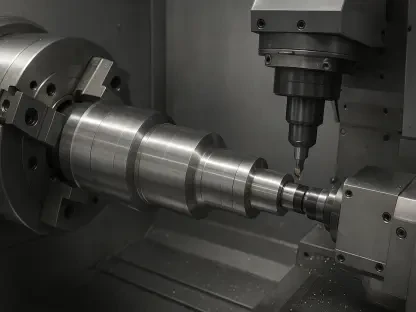
Simultaneously, the European Commission has fortified the steel sector, which remains a cornerstone of the continent’s manufacturing identity. The new policy establishes a strict tariff-free quota of 18.3 million metric tons; once this threshold is crossed, importers are hit with a punitive 50% duty. To prevent firms from bypassing these rules through “transshipment”—the practice of shipping goods through third-party countries to mask their origin—the EU has introduced rigorous “melt and pour” transparency requirements. These rules mandate that importers prove exactly where the steel was originally manufactured, ensuring that trade protections are not circumvented by simple logistical re-routing.
Expert Perspectives on the “China Shock 2.0” and the Challenge of Unified Retaliation
Top EU officials, including Ursula von der Leyen and Maroš Šefčovič, have been vocal about the necessity of these interventions, arguing that the status quo is no longer a viable option for European stability. They point to the “wolf pack effect” identified by security analysts, where a surge of subsidized goods threatens to overwhelm multiple international markets simultaneously. This phenomenon has created a sense of urgency in Brussels, as policymakers fear that a failure to act now will lead to the permanent erosion of the European middle class and the industrial sectors that support it. The consensus is clear: the era of passive observation has ended, replaced by a more assertive trade defense.
However, the path forward is fraught with geopolitical complexity. Alicia García-Herrero and other trade analysts have noted that Beijing is likely to exploit internal divisions within the EU to weaken these measures. By lobbying individual member states, China could attempt to fragment the unified front required for long-term enforcement. Furthermore, some researchers remain skeptical about whether a 3-euro fee is sufficient to change consumer behavior. They suggest that large-scale e-commerce platforms might simply pivot to group-ordering models, consolidating shipments to minimize the per-package impact. This ongoing “cat-and-mouse” game suggests that the battle for market fairness will require constant legislative evolution.
Navigating the Shift: Essential Compliance Frameworks for Global Importers and Retailers
For global importers and retailers, the new regulatory environment demands a total overhaul of existing supply chain strategies. Establishing rigorous transparency is no longer a luxury but a necessity for survival under the “melt and pour” regulations. Companies must now implement sophisticated tracking systems to verify the origin of every component in their inventory. This transition requires a move away from high-volume, low-value logistics toward more consolidated shipping models. By grouping orders and managing inventories within European borders, businesses can mitigate the impact of per-package duties and ensure a more predictable flow of goods through customs.
The impending deadline later this year serves as a critical window for businesses to rebalance their operations ahead of full implementation. Strategic auditing of product safety and environmental standards has become a priority to avoid costly border seizures and customs delays. Companies that proactively adapt to these standards will likely find themselves at a competitive advantage, as non-compliant rivals face increasing friction at the border. This era of trade requires a focus on quality and compliance over raw volume, forcing a transformation in how goods are sourced, shipped, and sold within the European market.
The implementation of these measures signaled a transformative moment in international trade relations. By prioritizing industrial sovereignty and market fairness, the European Union established a precedent for defensive economic policy. Businesses that recalibrated their supply chains to meet transparency requirements avoided the most severe impacts of the new duties. Ultimately, the shift forced a broader conversation about the true cost of cheap goods and the necessity of maintaining a robust, independent manufacturing base. Policymakers and industry leaders recognized that a balanced trade relationship was the only way to ensure long-term stability and growth for the internal market.