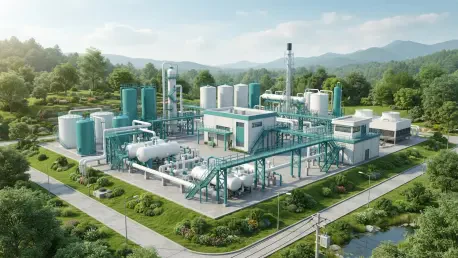

By commissioning a new phosphoric acid unit with an 85 percent concentration capacity, GACL is positioning itself to replace substantial volumes of high-cost foreign imports. This strategic move at the Dahej complex represents a critical juncture for the domestic chemical industry, which has long grappled with the logistical and financial burdens of sourcing purified and food-grade phosphoric acid from overseas suppliers. By establishing a robust local manufacturing presence, the company is effectively addressing the supply chain vulnerabilities that often disrupt industrial production schedules. This initiative is not merely about increasing output; it is a calculated effort to onshore a vital component of the value chain, ensuring that domestic end-users have access to consistent, high-quality materials without the unpredictability of international freight. The shift toward self-sufficiency is expected to stabilize regional market prices for all downstream manufacturers.
Strategic Self-Reliance: Building Values
Expanding Domestic Acid Production
The technical parameters of the newly operational facility highlight a sophisticated approach to industrial scaling, with an annual capacity of 33,870 tonnes. Operating at an 85 percent ###PO4 concentration, the output is equivalent to approximately 21,000 tonnes per annum of 100 percent P2O5. This level of precision is essential for serving the food-grade sector, where purity standards are exceptionally stringent and non-negotiable. Beyond the immediate volume increases, the facility serves as a cornerstone for GACL’s broader portfolio diversification, moving the organization away from a narrow focus on basic chlor-alkali products toward high-value specialty chemicals. This transition allows for more predictable revenue streams and protects the company from the cyclical nature of commodity pricing. Furthermore, the localized production of phosphoric acid simplifies the inventory management processes for various industrial sectors ranging from food to electronics.
Optimizing Resource Synthesis
To bolster the operational integrity of the Dahej site, the GACL Board recently granted in-principle approval for a new Hydrochloric Acid synthesis unit. With an estimated investment of approximately ₹55 crore, this addition is designed to optimize chlorine intake by converting byproduct chlorine into HCL for captive consumption. This integrated manufacturing model is vital for maintaining healthy operating margins, as it insulates the company from the price volatility typically found in the merchant chlorine markets. By consuming its own byproducts, the facility reduces waste and lowers the overall cost of production for the phosphoric acid unit. This closed-loop approach to chemical synthesis not only enhances efficiency but also aligns with modern industrial standards for resource management. The synthesis unit serves as a strategic buffer, ensuring that the primary production lines remain functional even during periods of market imbalance and unexpected resource scarcity.
Sustainable Growth: Scaling Operations
Advancing Renewable Energy Use
Sustainability has become a central pillar of the operational strategy, as evidenced by the significant increase in renewable energy consumption at the facility. During the first quarter of the fiscal period starting in 2026, the company successfully raised its renewable energy share to 59 percent, a substantial leap from the 39 percent recorded in the previous year. This shift is a key driver for margin recovery, as it significantly reduces the heavy financial burden of conventional power costs in energy-intensive chemical processing. By leveraging wind and solar resources, the company is not only reducing its carbon footprint but also securing a more stable and cost-effective energy supply for its industrial operations. This transition to green energy is part of a larger trend where manufacturing giants are prioritizing environmental responsibility alongside profitability. The reduction in energy overhead allows for reinvestment into research, further accelerating the pivot toward chemicals.
Future Outlook: Market Dynamics
The strategic integration of the phosphoric acid plant and the HCL synthesis expansion provided a definitive roadmap for capturing a larger share of the specialty chemicals market. By establishing a unified manufacturing ecosystem, the management successfully addressed structural bottlenecks that previously limited growth potential. The shift toward higher-value products helped stabilize financial performance during the period from 2026 to 2028, even as international prices for rock phosphate showed signs of volatility. Industry analysts observed that the company’s ability to maintain high capacity utilization rates was the primary factor in its success during this transition. Future considerations for the sector now involve further investment in downstream integration to minimize exposure to raw material fluctuations. Professionals in the field recommended a continued focus on operational efficiency to ensure resilience. These actions solidified the company’s role as a leader in domestic manufacturing.