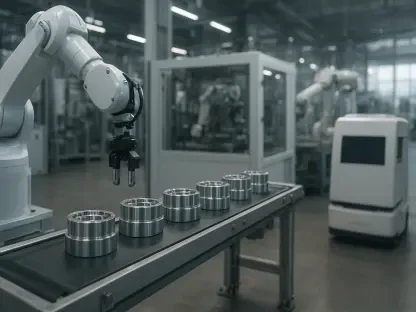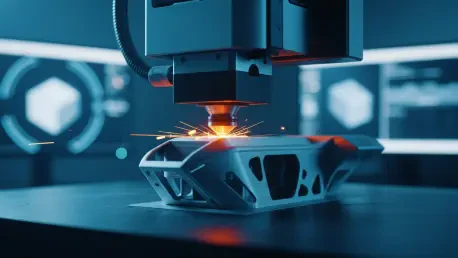

The global defense landscape is currently transitioning from a model of centralized, massive industrial production toward a highly flexible paradigm defined by localized additive manufacturing capabilities. This evolution is driven by the realization that modern geopolitical tensions and volatile operational environments require a level of agility that traditional manufacturing simply cannot provide in real-time scenarios. As supply chains become increasingly brittle and subject to disruption, military leaders are prioritizing 3D printing as a strategic necessity rather than a mere experimental curiosity. This shift represents a fundamental pivot where additive technology serves as a foundational tool for national security, ensuring that armed forces remain resilient and capable of responding to unpredictable challenges. By integrating these advanced technologies, defense agencies are moving away from the rigid logistics of the past and toward a future where hardware is as adaptable as the software that controls it.
Bridging the Readiness Gap: Decentralized Production
Deploying advanced manufacturing hardware directly into the field enables military forces to produce critical components at the precise point of need, regardless of geographical constraints or logistical isolation. Whether situated on a naval vessel in the middle of the Pacific or at a remote forward operating base in a high-conflict zone, the ability to generate spare parts on-site is revolutionary. This capability directly addresses the pervasive readiness gap where expensive assets, such as multi-million dollar aircraft or advanced ground vehicles, are frequently sidelined for weeks while waiting for simple plastic or metal components to arrive from a centralized hub. By utilizing secure digital files and portable 3D printing units, units can maintain their operational tempo without the typical delays associated with traditional freight and customs procedures. This decentralized approach ensures that the logistical tail of a fighting force is shortened significantly and effectively.
Maintaining aging military fleets presents a growing challenge as many original equipment manufacturers have either ceased operations or stopped producing specific components decades before an airframe is scheduled for retirement. A prominent example of this application involved the United States Navy, which successfully utilized 3D printing to resolve a critical shortage of cooling fan rotors for specific shipboard systems. In this instance, procuring a replacement through traditional channels would have required purchasing an entire assembly at a cost of hundreds of thousands of dollars, as the individual rotors were no longer available for separate purchase. By utilizing on-ship additive manufacturing equipment, the crew was able to print the specific rotor for a fraction of the original assembly cost, restoring the system to full operation in a matter of days. This success story illustrates how additive manufacturing is not just about speed, but also about fiscal responsibility and assets.
Optimizing Fiscal Efficiency: Sustainable Logistics
Additive manufacturing significantly streamlines the procurement process by effectively bypassing the bureaucratic and logistical delays that have traditionally hampered the defense industry. In the conventional manufacturing model, the acquisition of specialized tools or custom brackets often involves a lengthy cycle of bidding, contracting, and overseas shipping that can extend for six months or longer. With the adoption of 3D printing technologies, these same components can now be designed, tested, and finalized in a matter of days, providing a massive boost to mission preparation and execution. This rapid turnaround is particularly vital for specialized mission sets where operators require custom hardware that does not exist in standard inventory. By enabling rapid prototyping and immediate production, defense organizations can adapt to changing tactical requirements with unprecedented speed. This acceleration ensures that technological advantages are realized in the field almost instantly.
Localizing production through advanced 3D printing capabilities strengthens the resilience of the defense supply chain against major geopolitical disruptions and reduces the dangerous dependence on foreign suppliers for critical components. In an era where global trade routes can be easily threatened by regional conflicts or economic sanctions, the ability to manufacture high-end defense hardware using domestic resources is a paramount security concern. By establishing a network of additive manufacturing hubs within friendly territories, the military ensures that its production capacity remains intact even if international shipping lanes are closed. This focus on localized production also encourages the growth of a domestic industrial base specialized in high-tech fabrication, fostering innovation and creating a more robust ecosystem of specialized suppliers. Moreover, this approach reduces the carbon footprint associated with long-distance logistics, aligning defense strategies with broader environmental goals.
Engineering the Future: Customization and Confidence
The ability to rapidly iterate designs through additive manufacturing allows for a level of mission-specific customization that was previously impossible with traditional mass-production techniques. Programs such as the SPARTA drone initiative demonstrate how direct feedback from soldiers in the field can lead to immediate refinements and the production of inexpensive, disposable hardware tailored for high-risk missions. In this environment, a design can be modified in response to a specific tactical threat and printed for testing within a single day, drastically shortening the loop between observation and solution. This iterative cycle ensures that the tools provided to the front lines are perfectly suited to the specific, evolving realities of the modern battlefield, rather than being limited by the rigid constraints of a five-year procurement cycle. By empowering tactical units to customize their own equipment, the military fosters a culture of innovation that is essential for modern warfare.
For many years, the primary barrier to the widespread adoption of 3D printing in the defense sector remained the rigorous certification and qualification required for mission-critical hardware. However, as the industry matured through 2026, the development of sophisticated testing standards and real-time monitoring systems bolstered confidence in the durability and repeatability of printed parts. These components reached a level of reliability where they were produced with the same degree of trust as traditionally forged hardware, even for flight-critical applications. Moving forward, defense organizations prioritized the standardization of digital thread technologies to ensure that every printed part was tracked from its raw material state to final installation. Leaders focused on creating a unified digital architecture that allowed for seamless data sharing between manufacturers. By establishing these robust frameworks, officials ensured that the safety of additive components was never compromised.