
The global steel industry, once defined by the sheer physical might of coal and fire, has undergone a fundamental shift toward digital intelligence that prioritizes precision over raw power in every stage of the manufacturing process. This transformation is driven by the urgent need to balance immense production volumes with increasingly stringent environmental regulations and the volatile cost of raw materials. By 2026, the integration of artificial intelligence has moved beyond experimental pilot programs into the core architecture of the modern steel mill. These systems now process millions of data points every second, from the chemical composition of iron ore to the humidity levels within the furnace environment. The result is a highly responsive manufacturing ecosystem that can anticipate market fluctuations and operational hiccups before they manifest as costly delays or wasted resources. Such technological sophistication ensures that the heavy industry remains competitive in an era where carbon footprints are as critical to a company’s valuation as its quarterly profit margins.
Optimizing Thermal Dynamics and Material Utilization
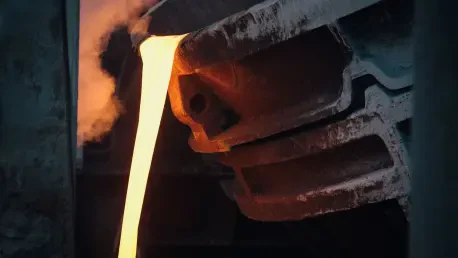
The application of advanced machine learning algorithms to the blast furnace operation represents one of the most significant leaps in thermal efficiency within the last few decades. Blast furnaces are notoriously complex, characterized by non-linear chemical reactions and extreme environments where direct sensor placement is often impossible or short-lived. To overcome these limitations, engineers have implemented neural networks that act as virtual sensors, accurately inferring internal temperatures and gas distribution patterns based on external data. This predictive capability allows operators to adjust the blast temperature and fuel injection rates with surgical precision, significantly reducing the consumption of metallurgical coke. By maintaining a more stable thermal state, mills can achieve a more consistent quality of pig iron while simultaneously lowering their greenhouse gas emissions. This level of control was once considered unattainable due to the chaotic nature of the smelting process, but it is now a standard requirement for high-efficiency production.
Beyond the furnace, AI is revolutionizing the processing of recycled materials within Electric Arc Furnace facilities through sophisticated computer vision and chemical analysis models. As the industry pivots toward a circular economy, the variability in scrap metal quality presents a major challenge for maintaining the mechanical properties of the final steel product. Intelligent sorting systems now utilize hyperspectral imaging to categorize scrap by grade and detect hazardous contaminants that could weaken the alloy or damage the furnace lining. Once the melting process begins, AI-driven feedback loops monitor the arc stability and chemical off-gas composition in real-time, automatically adjusting the electrical power input to minimize energy waste. This dynamic optimization ensures that each batch meets exact specifications while using the least amount of electricity possible. Such efficiency gains are critical as energy prices remain volatile, making the ability to adapt to scrap variability a key differentiator for profitable steelmaking in the current market.
Strengthening Asset Integrity and Operational Continuity
In the high-stakes environment of a rolling mill, where equipment failure can lead to catastrophic damage and massive financial losses, AI-powered predictive maintenance has become the primary defense against unplanned downtime. Gone are the days of scheduled maintenance based on arbitrary timelines; instead, a vast network of vibration, acoustic, and thermal sensors provides a constant stream of health data to centralized analytic platforms. These platforms use anomaly detection to identify subtle deviations in machinery behavior that often precede a mechanical breakdown by several weeks. By pinpointing the exact component requiring attention, maintenance teams can intervene during planned outages, ensuring that the production line remains operational during peak demand periods. This transition from reactive to proactive maintenance has not only extended the lifespan of multi-million dollar assets but has also improved workplace safety by reducing the need for emergency repairs in hazardous areas. The precision of these insights allows for leaner spare parts inventories.
Industry leaders recognized that the path toward total optimization necessitated a comprehensive cultural shift toward data-driven decision-making across every organizational level. To prepare for the evolving industrial landscape, companies prioritized the upskilling of their workforces, ensuring that technicians could effectively collaborate with autonomous systems. The integration of artificial intelligence provided the foundation for a more resilient production model that successfully mitigated the risks of resource scarcity and fluctuating demand. Stakeholders observed that those who invested early in robust data architectures reaped the rewards of significantly lower operating costs and higher customer satisfaction. Future progress was designed to depend on the standardization of data exchange protocols between different players in the steel value chain to create a transparent ecosystem. By moving away from isolated silos of information, the industry established a benchmark for excellence that combined human expertise with the tireless power of machine intelligence.