
The transition to a connected production environment involves looking at the production cycle holistically rather than as a series of isolated steps. While the broader public conversation often fixates on the visibility of the packaging itself—debating the merits of ocean-bound plastic versus compostable fiber—the real engine of environmental change hums quietly within the factory walls. Modern manufacturers have realized that the most sustainable material in the world is effectively useless if the machinery used to process it is inefficient, wasteful, or prone to frequent downtime. Consequently, the industry has shifted its focus toward an integrated approach where machinery serves as the primary driver of ecological success. This evolution moves beyond simple power savings, incorporating sophisticated sensors, high-precision mechanical engineering, and digital logic to ensure that every joule of energy and every milligram of raw material is utilized to its absolute maximum potential.
Engineering the Future: Material Handling and Adaptability
Material Synergy: Advanced Handling and Precision
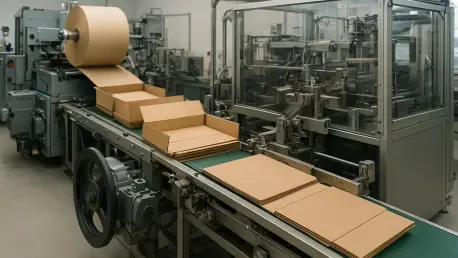
One of the most significant hurdles in the current push for sustainability is the inherent physical instability of next-generation substrates. Traditional multi-layer plastics were designed for ease of processing, but modern mono-material structures and recyclable laminates often react unpredictably to heat and tension. To mitigate this, advanced machinery now integrates high-response servo-driven systems that manage material flow with unprecedented accuracy. These systems utilize intelligent motion control to monitor substrate behavior in real-time, making micro-adjustments to sealing temperatures and web tension thousands of times per second. By stabilizing these volatile materials, manufacturers can drastically reduce the amount of scrap generated during production ramps. This technical precision ensures that high-quality packaging is achieved on the first attempt, preventing the wasteful cycle of trial and error that plagued earlier attempts at sustainable transitions.
Mechanical Versatility: Ensuring Seamless Transitions
Furthermore, the true value of a contemporary production line is now defined by its ability to remain material-agnostic while maintaining high-speed throughput. As consumer brands face pressure to pivot between different eco-friendly formats, the machinery must be flexible enough to handle these shifts without requiring entire system overhauls. This adaptability is facilitated by modular machine designs that allow for rapid format changeovers and the seamless integration of different sealing or cutting modules. Such flexibility not only preserves capital but also minimizes the environmental cost of manufacturing and transporting new industrial equipment. By investing in versatile hardware that can evolve alongside material science, companies ensure that their operations remain resilient against shifting regulatory landscapes. This mechanical agility effectively serves as the bridge between ambitious corporate sustainability goals and the harsh realities of industrial manufacturing.
Resource Optimization: Innovation in Sensitive Industries
Engineering Hygiene: Balancing Safety with Conservation
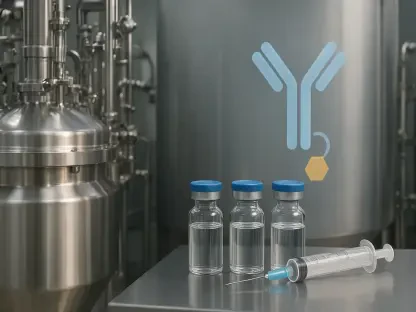
In highly regulated sectors like pharmaceuticals and specialized food production, the pursuit of sustainability is frequently complicated by the non-negotiable requirements of safety and sterility. Traditionally, sterilization processes—such as those used for glass vials, ampoules, and infant formula containers—have been notoriously resource-intensive, consuming massive quantities of water and electricity to maintain high-temperature environments. However, recent engineering breakthroughs have introduced a more refined approach to thermal management. By redesigning internal mechanical components, such as distribution trays and circulation manifolds, engineers have optimized the physics of heat transfer within these systems. These refinements ensure that steam and hot water are utilized more efficiently, allowing facilities to maintain rigorous hygiene standards while reducing overall water consumption by twenty percent. This represents a critical shift from brute-force heating to intelligent resource allocation.
Sustainability Through Precision: Incremental Mechanical Gains
Building on this foundation of precision engineering, the integration of energy recovery systems has become a standard feature in modern sterilization machinery. These systems capture excess heat generated during the cooling phase and repurpose it for other parts of the production cycle, creating a closed-loop thermal environment. This approach not only lowers the carbon footprint of the facility but also provides a tangible economic benefit by significantly reducing utility costs. The success of these innovations proves that incremental mechanical improvements can deliver substantial cumulative gains in sustainability without compromising the integrity of the product. By focusing on the granular details of machine design, manufacturers are finding ways to reconcile the strict demands of public health with the urgent need for environmental stewardship. These advancements demonstrate that even the most sensitive industrial processes can be transformed into models of resource efficiency.
Economic Resilience: Automation and Operational Accuracy
Future-Proofing Production: Automation and Life Cycle Extensions
The intersection of sustainability and economic resilience has become a focal point for manufacturers facing a growing global labor shortage. As skilled operators become increasingly difficult to find, automated packaging machinery has transitioned from a luxury to a fundamental prerequisite for operational survival. Modern automation does more than just replace manual labor; it provides a level of consistency that is impossible to achieve through human effort alone. Automated systems are now being designed with modularity in mind, offering extensive retrofit options that allow existing production lines to be upgraded with the latest green technologies. This strategy of extending the lifecycle of heavy machinery is a powerful form of sustainability, as it avoids the massive environmental impact associated with the production and disposal of large-scale industrial hardware. By choosing to enhance rather than replace, companies can achieve their environmental targets while protecting their long-term financial health.
Digital Stewardship: Reducing Waste Through Accurate Coding
Beyond physical automation, the drive for operational accuracy has emerged as the most direct route to improved environmental stewardship within the factory setting. A single coding error or a misapplied label can compromise an entire production batch, resulting in the unnecessary disposal of both the packaging and the raw product inside. To address this vulnerability, the industry is rapidly adopting connected packaging automation solutions that leverage digital oversight to ensure the right information is applied to the right product every single time. By eliminating human error in the data entry and labeling phases, manufacturers can significantly lower their total environmental footprint while simultaneously safeguarding their profit margins. This focus on precision reduces the need for reworking or scrapping materials, which are both energy-intensive and wasteful processes. Ultimately, the quest for zero-defect production is becoming synonymous with the quest for a more ethical manufacturing landscape.
Digital Intelligence: Creating a Connected Production Ecosystem
Integrated Solutions: Streamlining the Holistic Cycle
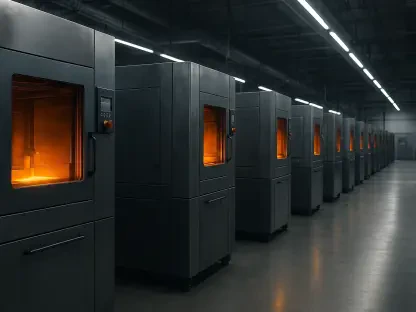
The final pillar of success in the drive toward sustainable packaging involves the deep integration of digital intelligence across the entire production line. Rather than operating as a series of isolated stations, modern equipment now functions as part of a connected ecosystem where data flows as freely as the products themselves. This holistic integration allows for the streamlining of the production cycle, minimizing idle times and optimizing the movement of items through the facility. For instance, the transition from conventional infrared heating to advanced laser technology in bottle production has revolutionized energy efficiency. By applying heat with surgical precision, laser systems allow for better material distribution in plastic bottles, which in turn permits the use of lighter-weight preforms without losing structural strength. This fusion of mechanical engineering and digital logic not only reduces energy consumption but also lessens the volume of raw materials required for each unit produced.
Operational Intelligence: Data-Driven Resource Management
Moreover, the machine of the future is being reimagined as a sophisticated generator of operational intelligence, providing manufacturers with the data needed to make informed ecological decisions. By continuously monitoring energy consumption, material waste, and mechanical wear, these intelligent systems offer a clear picture of the facility’s environmental performance in real-time. This data-driven approach enables the implementation of predictive maintenance strategies, which identify potential mechanical failures before they occur. By preventing unplanned downtime, companies can avoid the resource-heavy restarts and material waste that typically accompany machine failures. This shift toward proactive management ensures that the production line remains in its most efficient state for as long as possible. As these technological partnerships between machinery providers and manufacturers deepen, they are creating a smarter production infrastructure that forms the foundation of a circular economy.
Final Assessment: Strategic Pathways for Circular Success
The evolution of packaging technology progressed toward a state where the machine manufacturer served as a vital partner in the journey toward a circular economy. It became evident that the success of the global industry depended on the ability of machinery to bridge the gap between ambitious environmental goals and the practical requirements of high-volume production. Manufacturers who adopted modularity and digital precision found themselves better positioned to navigate the complexities of modern material science and shifting consumer preferences. The integration of advanced servo-controls and energy recovery systems moved from being specialized innovations to becoming baseline requirements for any competitive facility. By focusing on low-impact production and resource efficiency, the sector established a foundation that allowed sustainable practices to remain both profitable and scalable. These advancements effectively demonstrated that the path to a greener future was paved with technological precision rather than just material substitution.