
Kwame Zaire brings a wealth of knowledge in electronics and production management, particularly focusing on how predictive maintenance and safety intersect with cutting-edge defense technology. As the defense industry shifts toward distributed manufacturing, Zaire’s insights into quality control and regulatory compliance provide a critical perspective on how companies like Meltio are redefining mission readiness. His expertise in navigating the complexities of industrial ecosystems makes him an ideal voice to discuss the integration of additive manufacturing into the most demanding defense environments.
This conversation delves into the strategic expansion of Meltio within the United States defense sector, highlighting the critical role of industrial partners who navigate complex regulatory landscapes. We explore how certifications such as ITAR registration and CMMC Level 1 cybersecurity standards are no longer just hurdles but essential facilitators for sovereign manufacturing. The discussion also touches upon the transformative impact of deployable additive manufacturing, which allows for the rapid repair and production of high-performance components in remote operational environments, drastically reducing production timelines for the warfighter.
How do regulatory frameworks like ITAR and CMMC Level 1 influence the way additive manufacturing technologies are integrated into the U.S. defense supply chain?
In the world of defense, compliance is the absolute foundation of trust and operational security. When we look at International Traffic in Arms Regulations, or ITAR, we are talking about a mandatory authorization from the U.S. Department of State’s Directorate of Defense Trade Controls that ensures sensitive technology stays in the right hands. By working with ITAR-registered partners, Meltio can deploy its metal 3D printing solutions within secure environments that are fully aligned with national security export controls. Furthermore, adhering to CMMC Level 1 cybersecurity requirements is vital because it protects the digital thread of manufacturing from external threats. These frameworks, along with ISO 9001:2015 and ISO 14001:2015 certifications, ensure that every part produced is reliable, consistent, and meets the rigorous quality standards required for high-stakes military applications.
Could you elaborate on how strategic partnerships with companies like Snowbird Technologies and Phillips Corporation enhance the capability to support the Department of Defense?
These partnerships are not just about distribution; they are about deep technical and regulatory integration that has been built over decades. Snowbird Technologies, for instance, brings over 30 years of experience supporting the U.S. Department of Defense and utilizes NIST 800-171 compliance to offer deployable additive manufacturing capabilities. Phillips Corporation, through its Phillips Federal division, acts as a bridge for expeditionary manufacturing, ensuring that Meltio’s technology is secure and compliant for the defense industrial base. Meanwhile, partners like Force Automation utilize their Type 7 FFL and SAM registration to handle advanced integration for federal contracting. Having a reference site like Fastech LLC, which operates M600 systems and robotic cells, allows the military to see these technologies in action for demonstration and training before they are deployed to the field.
From a production management standpoint, what are the most significant operational benefits of using hybrid manufacturing for critical defense components?
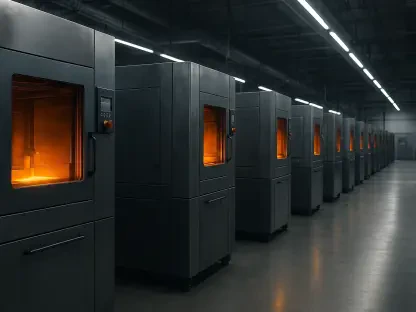
The most striking impact we have seen is the dramatic reduction in production timelines, which can be cut by more than 80% for critical components. In an operational environment, whether that is on a naval vessel or a remote forward operating base, waiting months for a legacy spare part is simply not an option. Meltio’s technology allows for the production and repair of parts using industrial-grade materials like titanium, Inconel, stainless steels, and copper alloys right where the need arises. This capability supports everything from armored vehicle maintenance to the rapid prototyping of new mission-essential equipment. By shifting from a traditional warehouse model to a “print-on-demand” strategy, we are effectively solving the logistical nightmare of maintaining aging fleets.
How does the concept of manufacturing sovereignty change the strategic landscape for defense organizations operating in distributed or remote environments?
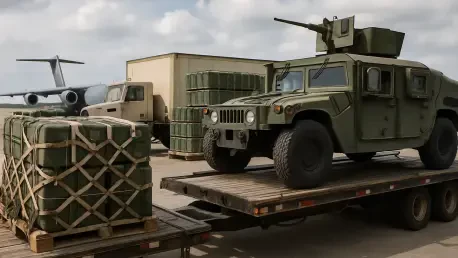
Manufacturing sovereignty is about resilience and the ability to maintain readiness without being tethered to fragile, global supply chains. When a defense organization can produce its own high-performance metal parts in a distributed environment, it gains a level of flexibility that traditional manufacturing simply cannot match. This shift reduces the dependency on long-distance logistics and ensures that mission readiness is not compromised by a broken part sitting in a shipping container thousands of miles away. By utilizing a network of qualified industrial partners, these organizations can ensure that they have the secure and flexible production capacity needed to respond to emerging threats in real-time. It turns the supply chain from a potential point of failure into a strategic advantage that keeps equipment in the fight longer.
What is your forecast for the future of deployable additive manufacturing in the defense sector?
I anticipate a massive acceleration in the adoption of hybrid and expeditionary manufacturing systems that can survive and thrive in harsh, remote operational settings. We will see a shift where every major naval vessel and mobile repair unit is equipped with systems like the M600, capable of handling everything from nickel-based alloys to high-strength steels. The integration of cybersecurity standards like CMMC will become even more seamless, allowing for a secure digital library of parts that can be beamed anywhere in the world and printed instantly. Ultimately, the goal is to reach a state where the logistics tail is significantly shortened, and the speed of repair matches the speed of modern warfare. This evolution will not only save billions in procurement costs but, more importantly, it will ensure that our forces remain agile and self-sufficient regardless of the environment.