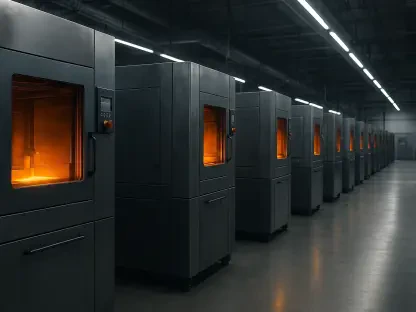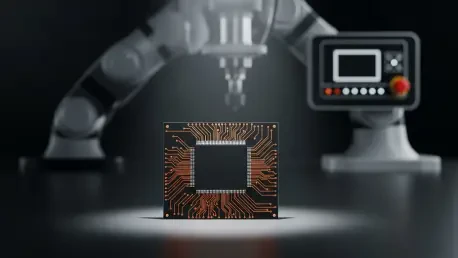

The rapid acceleration of high-tech production requirements has forced global manufacturing leaders to reconsider the traditional boundaries between conceptual design and physical assembly. In this high-stakes environment, Quanta Computer has emerged as a primary architect of modern industrial strategy by integrating the Siemens Xcelerator portfolio into its core operations. This strategic pivot represents a departure from fragmented legacy systems toward a unified digital ecosystem that spans the entire product lifecycle. By adopting this comprehensive software suite, the company aims to modernize its manufacturing processes and significantly shorten product development cycles to better navigate the volatility of global markets. The central goal of this initiative is the creation of a sophisticated digital thread that links disparate research and development centers directly to a distributed manufacturing network. This seamless flow of data ensures that every design iteration is instantly reflected in production planning, creating a responsive feedback loop that defines the current standard for electronics manufacturing.
Orchestrating a Unified Global Digital Thread
Accelerating Innovation through Digital Twins
The integration of advanced digital twin technology has fundamentally altered the timeline for bringing complex electronic components from the drawing board to the assembly line. By utilizing a single digital twin for both engineering and production teams, Quanta has realized a projected reduction in New Product Introduction timelines by approximately 20% to 25%. This efficiency is not merely a byproduct of faster computing but a result of collaborative decision-making enabled by real-time data transparency. Engineering teams can now simulate the performance of a device while production managers simultaneously evaluate the feasibility of manufacturing it at scale. This concurrent workflow allows for the identification of potential bottlenecks months before a physical prototype is even built. Consequently, the transition from initial customer request to final production has become a more predictable and streamlined journey, minimizing the risks associated with rapid scaling in highly competitive markets such as high-end computing and mobile communications.
Furthermore, the implementation of this digital thread addresses the inherent challenges of managing a global manufacturing footprint that spans multiple continents and time zones. By consolidating engineering and manufacturing data into a single source of truth, the organization eliminates the silos that traditionally hinder large-scale industrial projects. This unified environment ensures that any change made in a design center in one region is immediately accessible to a factory floor in another, maintaining absolute consistency across the supply chain. This level of synchronization is critical when dealing with the intricate bills of materials required for modern electronics. The ability to make critical decisions earlier in the development process allows the company to pivot quickly when market demands shift or when supply chain disruptions necessitate component substitutions. This agility is a cornerstone of their strategy to maintain a competitive edge, ensuring that they can deliver high-quality products with a precision that was previously unattainable in such large-scale operations.
Optimizing the Lifecycle with Advanced Software Management
To manage the increasing complexity of modern electronics, Quanta has adopted Polarion for software application lifecycle management and Teamcenter for product lifecycle management. These tools provide a rigorous framework for traceability, ensuring that every customer requirement is meticulously tracked from the initial request through the final bill of materials. In an era where software and hardware are inextricably linked, managing the lifecycle of code is just as vital as managing physical components. Polarion allows developers to maintain clear documentation and version control, which is essential for meeting the stringent regulatory and performance standards of today’s tech industry. By integrating these lifecycle management tools, the company has created a robust infrastructure that supports complex multi-disciplinary projects. This level of oversight ensures that no detail is lost in translation between departments, fostering a culture of accountability and precision that defines the modern electronics manufacturing services sector.
The synergy between these software suites also facilitates a more sophisticated approach to resource allocation and risk management across the global network. Teamcenter acts as the central repository for all product-related information, allowing stakeholders to access up-to-date data regardless of their physical location. This connectivity is particularly beneficial for managing complex revisions and ensuring that all global sites are working from the most current specifications. By bridging the gap between research and development centers and factory execution, the organization can more effectively manage the transition of designs into tangible products. This systematic approach to lifecycle management reduces the likelihood of costly errors and rework, directly contributing to higher profit margins and improved customer satisfaction. As product cycles continue to shrink, the ability to maintain such a high degree of control over every stage of the process becomes a decisive factor in long-term success, positioning the firm as a reliable partner for global tech giants.
Engineering Excellence for Growth Sectors
Virtual Validation and Process Optimization
The shift toward virtual validation has revolutionized how manufacturing processes are designed and implemented on the shop floor. By leveraging Teamcenter Manufacturing and Process Simulate, Quanta can virtually validate and optimize its production lines before any physical equipment is installed. This digital simulation allows engineers to experiment with different factory layouts and assembly sequences in a risk-free virtual environment, identifying the most efficient configurations. This approach effectively eliminates the need for expensive and time-consuming trial-and-error periods that often plague new product launches. Instead of stopping production to fix a layout issue, the company can ensure that every robot and conveyor is perfectly synchronized well in advance. This capability not only saves significant capital expenditure but also ensures that the production line can reach full capacity much faster than traditional methods allowed, providing a significant advantage in speed-to-market.
Beyond immediate cost savings, virtual validation provides a platform for continuous improvement and long-term operational excellence. By analyzing data from these simulations, the company can refine its manufacturing techniques to minimize waste and maximize energy efficiency. This data-driven approach to factory management allows for the fine-tuning of every movement on the assembly line, from the speed of a robotic arm to the placement of a specific component. As the complexity of electronic assemblies continues to rise, especially with the integration of AI-driven hardware, the ability to simulate these intricate processes becomes indispensable. The virtual environment serves as a sandbox for innovation, where new assembly methods can be tested and perfected without disrupting ongoing operations. This commitment to process optimization ensures that the manufacturing infrastructure remains flexible and capable of handling the next generation of technological advancements with minimal downtime or specialized reconfiguration.
Driving Quality Standards in the Automotive Shift
As Quanta expands its footprint into high-growth sectors like automotive electronics and electric vehicles, maintaining rigorous quality standards has become a top priority. To support this transition, the company is utilizing Teamcenter Quality to ensure strict compliance with IATF 16949, the demanding global standard for automotive quality management systems. The automotive industry requires a level of reliability and durability that far exceeds standard consumer electronics, necessitating a more comprehensive approach to quality assurance. By integrating quality management directly into the product lifecycle, the organization can track every component’s origin and performance history, providing the total traceability that automotive manufacturers demand. This shift into the EV market represents a significant strategic diversification, allowing the company to leverage its manufacturing expertise in a sector that is undergoing a massive technological transformation driven by electrification and autonomous driving.
The conclusion of this digital transformation initiative was marked by a fundamental shift in how the organization approached global scalability and precision. By consolidating all engineering and manufacturing data into a single source of truth, the company effectively eliminated the informational gaps that previously hindered rapid expansion. This unified digital environment allowed for the seamless integration of new product lines into existing facilities, ensuring that quality remained consistent across all geographic regions. The transition facilitated a more proactive approach to market changes, where simulations and data transparency replaced reactive problem-solving. This strategic overhaul not only streamlined current operations but also solidified the capability to deliver high-quality components for the evolving automotive and consumer electronics markets. Leaders in the industry recognized that such an investment in advanced simulation and lifecycle management was no longer optional but a prerequisite for maintaining a dominant position in a landscape defined by increasing product complexity and relentless competition.