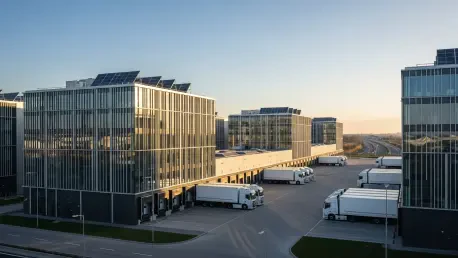

The rapid evolution of global commerce has necessitated a fundamental shift in how industrial hubs are conceived, moving away from simple storage units toward sophisticated technological ecosystems that bridge the gap between digital orders and physical delivery. In the current landscape, the efficiency of a supply chain is no longer determined solely by its size but by its ability to integrate seamlessly into multi-modal transport networks while minimizing its environmental footprint. This specific development in Luton emerges as a critical node in the logistics framework, strategically positioned to serve both the dense metropolitan population of London and the broader industrial corridors of the Midlands. It signifies a transition from reactive warehouse management to proactive logistics engineering, where every square foot is optimized for high-velocity turnover. By prioritizing flexible design, this hub provides the tools for retailers to navigate the complexities of modern consumer demands, which now require unprecedented levels of clarity.
Strategic Connectivity: Maximizing Regional Reach
Positioning a distribution center within the immediate vicinity of the M1 motorway is a strategic decision that fundamentally alters the speed at which goods move from production lines to the end consumer. This proximity allows for rapid access to the northern and southern stretches of the country, effectively reducing transit times and fuel consumption for heavy goods vehicles. The development is situated to capitalize on the existing infrastructure of the A5 and the M25 orbital, creating a trifecta of road connectivity that is virtually unmatched in the region. For businesses that rely on just-in-time delivery models, such a location serves as a safeguard against the common delays associated with long-haul trucking. The ability to reach over thirty million people within a two-hour drive makes this site a vital asset for national fulfillment operations. This geographic advantage is further amplified by the integration of local arterial roads that facilitate smoother entry and exit for high volumes of traffic during peak periods.
Beyond the road network, the synergy with nearby air cargo facilities introduces a multi-modal dimension that is essential for global trade in a high-speed economy. The close proximity to Luton Airport provides an immediate gateway for time-sensitive freight, allowing companies to transition shipments from air to road in record time. This capability is particularly vital for sectors such as pharmaceuticals, high-end electronics, and perishable goods, where the integrity of the cold chain and speed of delivery are paramount. By reducing the distance between the tarmac and the warehouse floor, the facility minimizes the risk of spoilage or damage during transit. Furthermore, this integration supports the growing trend of global-to-local logistics, where items are flown into a central hub and immediately dispersed to regional micro-fulfillment centers. The presence of such a versatile logistics node encourages global firms to establish their primary UK bases here, driving further investment into the surrounding infrastructure and creating a robust economic ecosystem.
Operational Excellence: Setting New Standards in Infrastructure
The structural design of modern logistics parks has moved toward a model that prioritizes extreme verticality and high-load capacities to accommodate the latest generation of autonomous robotics. Large-scale industrial units now feature clear internal heights that allow for the implementation of advanced mezzanine levels and automated storage and retrieval systems. This facility incorporates specialized flooring that is engineered to remain perfectly level, a critical requirement for the precise operation of automated guided vehicles. In addition to internal efficiency, the site is designed with a heavy focus on the electrification of transport, providing the high-voltage power infrastructure necessary for massive fleets of electric delivery vans. This foresight ensures that tenants can transition to zero-emission operations without the need for costly secondary retrofitting. By incorporating high-performance thermal insulation and smart lighting systems, the buildings greatly lower the operational costs associated with temperature control. Such features represent a commitment to the long-term viability of the site in a market that increasingly values operational resilience.
The successful deployment of this industrial hub established a new benchmark for how regional logistics centers should function within a constrained urban environment. Organizations that integrated these facilities into their networks successfully reduced their overall carbon intensity while simultaneously increasing their daily throughput. Management teams prioritized the use of rooftop solar arrays and rainwater harvesting systems, which allowed for significant savings on utility expenditures over the 2026 to 2028 period. Stakeholders recognized that investing in high-specification units provided a competitive edge in attracting top-tier e-commerce tenants who required sophisticated sorting technology. The transition toward this model required a shift in mindset, moving from traditional property management toward a focus on technological partnership and sustainable development. These initiatives proved that logistical efficiency and environmental responsibility were not mutually exclusive goals. Ultimately, the industry learned that future-proofing required early adoption of flexible power grids and modular building designs to meet the shifting demands of a digital economy that showed no signs of abating.