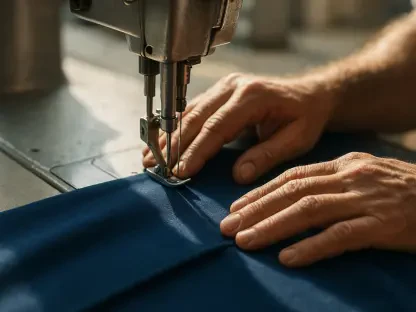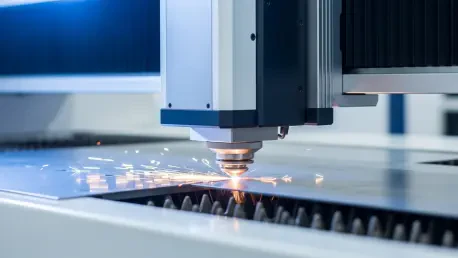

Traditional manufacturing facilities across the United States are undergoing a silent yet profound metamorphosis as computer-controlled precision replaces manual guesswork in the fabrication of everything from aerospace components to intricate custom furniture. ShopSabre, a Minnesota-based manufacturer, has emerged as a cornerstone of this movement, effectively bridging the historical divide between the artistry of traditional craftsmanship and the unrelenting efficiency of high-tech automation. By engineering high-precision CNC routers, plasmas, and lasers, the company provides the essential infrastructure that enables businesses of all sizes to modernize their production floors without losing the human touch that defines American-made products. This technological shift is a central component of a larger, ongoing resurgence in domestic manufacturing, where the “Made in the USA” label has come to represent not only a standard of superior quality but also a commitment to technological empowerment. The journey began in 2001 with a focused, personal mission: founder Jim Bombardo utilized his extensive background in steel fabrication to automate a labor-intensive craft business for a family member. What started as a single machine designed to replace manual cutting with automated precision has blossomed into a global operation that has produced over 10,000 machines. Today, this evolution supports a diverse spectrum of users, ranging from independent makers working in garage studios to industry giants like SpaceX and Ford, proving that domestic innovation is the bedrock of modern industrial growth.
Industrial Democratization: Expanding Access to Precision Tools
Computer Numerical Control technology once belonged almost exclusively to massive corporations with substantial capital reserves, but current market dynamics have seen a massive shift toward making these advanced tools accessible to the average shop owner. By leveraging sophisticated software-driven precision, these modern CNC machines effectively eliminate the margin for human error, allowing for complex and highly repeatable results across a vast array of materials including wood, metal, and plastics. This democratization of high-end technology ensures that American small businesses can remain fiercely competitive in an increasingly crowded global market by significantly increasing their daily output without sacrificing the intricate quality of their work. Small-scale fabricators now have the capability to execute designs that were previously deemed too complex or time-consuming for manual production, essentially leveling the playing field between boutique operations and industrial powerhouses. The integration of intuitive software interfaces has further lowered the barrier to entry, enabling shop owners to transition from conceptual sketches to finished products with unprecedented speed and accuracy. This shift has not only boosted individual productivity but has also sparked a wave of creative entrepreneurship as makers realize they are no longer limited by their manual dexterity.
To ensure that businesses can achieve immediate productivity, the industry has pivoted toward providing “ready-to-run” systems that arrive at the facility fully assembled and rigorously configured for immediate use. ShopSabre’s diverse lineup includes specialized tools such as fiber lasers, plasma cutters, and rotary tube attachments, all designed to cater to a wide range of specific industrial requirements. This variety, paired with price points that are increasingly accessible to growing enterprises, allows even entry-level shops to integrate professional-grade automation into their daily operations from the very first day. By removing the need for complex on-site assembly or extensive technical troubleshooting during the initial setup phase, these machines allow business owners to focus on what they do best: creating and selling their products. Furthermore, the inclusion of comprehensive training programs and user-friendly documentation ensures that the learning curve is manageable for teams that may have limited prior experience with automated machinery. As shops scale their operations from 2026 to 2028, the ability to rapidly deploy these systems has become a critical factor in maintaining market share and responding to sudden spikes in consumer demand. This readiness serves as a vital catalyst for local economies, enabling quick expansion and the agile adaptation to new manufacturing trends.
Structural Excellence: The Impact of Domestic Sourcing
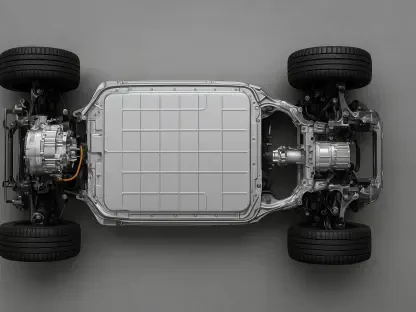
A defining characteristic of the philosophy behind high-end American fabrication is a strict adherence to domestic sourcing, particularly concerning the steel used in the construction of industrial machinery. By rejecting lower-quality imported materials in favor of American-made steel, manufacturers ensure that their equipment provides a rigid and durable foundation capable of withstanding the rigors of heavy-duty production. This focus on high-grade materials directly correlates to the overall longevity of the machines, protecting business owners from the costly downtime and mechanical failures often associated with flimsy, disposable imports. A rigid chassis is essential for maintaining precision during high-speed cutting operations, as even minor vibrations can lead to inaccuracies that ruin expensive raw materials. Consequently, the investment in a heavy-duty, domestically sourced frame pays for itself through reduced waste and higher finished product quality over the life of the machine. This commitment to structural integrity reflects a broader industrial ethos where durability is prioritized over the allure of low initial purchase prices. As fabricators look to build long-term value, the choice of a machine built with domestic steel becomes a strategic decision that safeguards the future of their production capabilities and ensures a reliable workflow for years to come.
Beyond the physical hardware, the commitment to domestic manufacturing extends to the robust support network that is made available to every client who invests in American-made machinery. Having local technical experts and dedicated on-site training resources means that business owners are never left to troubleshoot complex industrial issues on their own or wait for support across multiple time zones. This proximity to expertise transforms the machinery from a simple equipment purchase into a long-term strategic partnership that actively supports the continuous growth of the customer’s business. Access to American-based technicians ensures that communication is clear, parts are readily available, and downtime is kept to an absolute minimum during critical production runs. This support structure is particularly vital for small shops that may not have an in-house maintenance department and rely heavily on the manufacturer’s expertise to keep their operations running smoothly. Furthermore, the availability of comprehensive online training modules and live technical support allows teams to stay updated on the latest software enhancements and operational techniques. This collaborative relationship between the manufacturer and the end-user fosters an environment of mutual success, where the feedback from the shop floor directly informs the next generation of technological improvements.
Workforce Evolution: Enhancing Human Potential Through Machines
Contrary to the persistent fear that the rise of automation might eliminate job opportunities, modern CNC technology serves as a powerful accelerator for human workers in the industrial sector. By handling repetitive, physically taxing, and often dangerous tasks, these machines effectively prevent employee burnout and allow staff members to focus their energy on higher-level production goals and creative problem-solving. Many shops have observed that after integrating sophisticated automation, their overall production capacity grows so significantly that they actually find it necessary to hire more employees to manage the increased volume of work. This transition shifts the role of the worker from a manual laborer to a skilled system operator, enhancing the value of their contribution to the company and providing a more rewarding career path. The integration of technology thus creates a synergy where human ingenuity is augmented by mechanical precision, leading to a more efficient and productive workplace. As employees become more proficient in managing automated workflows, they develop specialized skills that are in high demand across the modern industrial landscape. This evolution of the workforce not only improves individual job satisfaction but also ensures that the American manufacturing sector remains a vibrant and attractive field for the next generation of talented professionals.
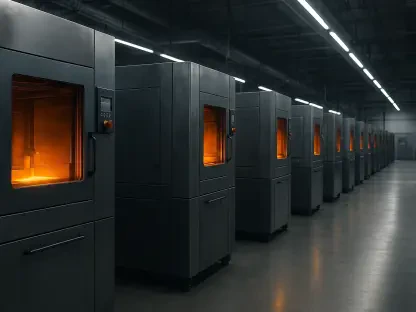
Operating out of a massive 100,000-square-foot facility in Lakeville, Minnesota, companies like ShopSabre support over 100 local jobs while serving a prestigious and diverse list of corporate clients. Their technological reach extends through numerous critical sectors, including the aerospace, medical, and automotive industries, where precision and reliability are of the utmost importance. This significant presence demonstrates how a single domestic manufacturer can create a powerful ripple effect of economic stability across multiple levels of the American supply chain. By sourcing materials locally and providing high-tech tools to other domestic businesses, these manufacturers help to reinforce the industrial fabric of the nation. The success of this model highlights the potential for a sustainable industrial ecosystem that prioritizes the domestic workforce and maintains high standards of production. Furthermore, the presence of such a large-scale manufacturing hub encourages the development of local infrastructure and attracts specialized talent to the region, further boosting the local economy. This holistic approach to business ensures that the tools of production remain as reliable as the materials they cut, securing the long-term health of the domestic fabrication industry. By fostering a cycle of mutual support and reinvestment, American manufacturers are building a more resilient economy that is well-prepared to meet the challenges of the global market.
Strategic Modernization: Lessons From the Shift to Automation
The transition to CNC automation proved to be a turning point for many American fabricators who sought to revitalize their operations. Those who successfully navigated this change began by conducting thorough audits of their manual processes to identify bottlenecks where precision was most lacking. They prioritized the acquisition of rigid, American-made machinery, recognizing that the long-term cost of maintenance for cheaper imports far outweighed the initial savings. By investing in comprehensive staff training, these business owners ensured that their workforce transitioned from manual laborers to skilled technicians capable of overseeing complex automated systems. This proactive approach fostered a culture of continuous improvement, where the focus shifted from mere survival to aggressive market expansion and innovation. Furthermore, establishing direct lines of communication with domestic technical support teams allowed these shops to minimize downtime and maintain a consistent production schedule. Ultimately, the decision to invest in local quality and advanced technology built a foundation of resilience that protected these enterprises from global supply chain fluctuations and shifting market demands.
Beyond the immediate gains in efficiency, the move toward domestic manufacturing partnerships solidified the stability of the broader American supply chain. Businesses that favored American-sourced steel and local components effectively insulated themselves from the volatility of international logistics and trade disputes. They discovered that the longevity of high-grade, domestic machinery provided a much higher return on investment over a five-year period than disposable alternatives. This shift in procurement strategy encouraged other local suppliers to elevate their own standards, creating a virtuous cycle of quality that benefited the entire industrial sector. Leaders who championed this domestic-first philosophy reported higher levels of customer satisfaction, as the reliability of their production equipment translated directly into the reliability of their finished goods. By reinvesting their profits into further automation and workforce development, these companies successfully prepared themselves for the industrial challenges of the late 2020s. The lessons learned during this period of rapid modernization underscored the reality that industrial strength was not just about the machines themselves, but about the quality of the materials and the strength of the community that supported them.