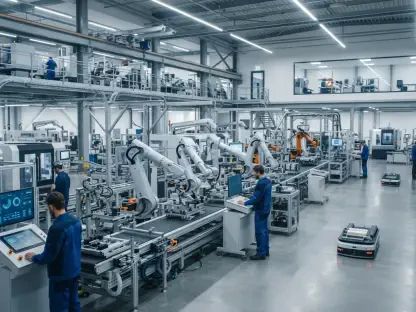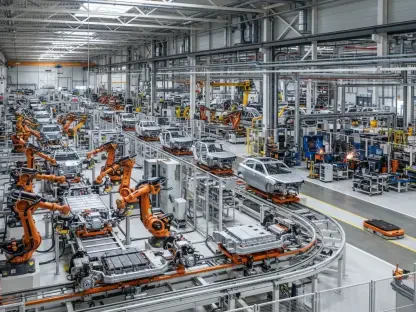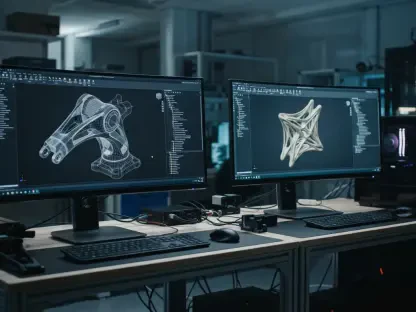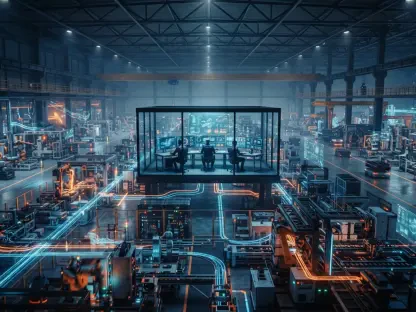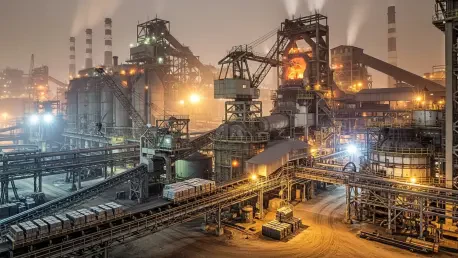

The traditional landscape of industrial manufacturing continues to undergo a radical shift as precision requirements for electronic components and automotive parts exceed the capabilities of standard casting methods. Zinkteknik emerged as a pivotal force by integrating advanced robotics with high-speed zinc die casting to meet these rigorous demands for dimensional accuracy and structural integrity. By focusing on thin-walled designs that maintain exceptional strength, the organization enables designers to replace bulkier materials with streamlined zinc alternatives that facilitate miniaturization across several sectors. This evolution is not merely about producing parts but involves a comprehensive redesign of the manufacturing workflow to prioritize speed without compromising the minute tolerances required for modern telecommunications hardware. As global supply chains face increasing pressure for localization, the adoption of specialized automated cells has allowed for a consistency that was previously unattainable in high-volume production. Through rigorous quality control and the deployment of sensor-based monitoring, the company ensured that every unit met the specific needs of an increasingly complex technological environment where failure is not an option for critical infrastructure.
Technical Integration: The Shift Toward Automated Precision
Implementing state-of-the-art automation within the die casting process allowed for a significant reduction in cycle times while enhancing the repeatability of complex geometric shapes. This technical leap involves the use of multi-slide technology, which provides greater flexibility in mold design compared to conventional hot-chamber machines. By utilizing four or more independent slides, engineers can create intricate parts with undercuts and internal threads in a single operation, effectively eliminating the need for secondary machining. This approach not only reduces labor costs but also minimizes material waste, as the precision of the injection process ensures that nearly every gram of alloy is utilized effectively within the mold cavity. Furthermore, the integration of real-time data analytics allows operators to monitor thermal fluctuations and pressure variances instantaneously. This proactive maintenance strategy prevented defects before they occurred, ensuring that the production line remained operational during peak periods without unexpected downtime or quality regressions.
Environmental stewardship became a central pillar of the manufacturing strategy from 2026 to 2028 as the industry moved toward carbon neutrality and closed-loop production systems. Zinc is inherently one of the most sustainable metals due to its low melting point, which requires significantly less energy during the smelting and casting phases compared to steel or aluminum. Zinkteknik maximized this advantage by implementing rigorous recycling protocols where all scrap material was immediately reintroduced into the melting pots. This internal recycling loop drastically reduced the carbon footprint of the facility while stabilizing material costs against market fluctuations. Manufacturers seeking to modernize their operations looked toward the integration of digital twins to further refine the efficiency of the global supply chain. To succeed, companies prioritized localized production hubs and invested in alloy purity sensors to ensure consistent output across different regions. These specific steps established a resilient framework for long-term industrial growth while successfully balancing technical excellence with a reduced environmental impact for the coming years.