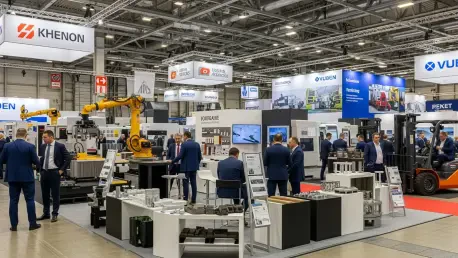

The landscape of African industrial operations is currently undergoing a foundational metamorphosis as manufacturers shift away from outdated manual processes in favor of cohesive digital ecosystems. This movement is not merely a technical upgrade but a strategic necessity, driven by the requirement to navigate the logistical complexities inherent in high-growth markets like Nigeria and South Africa. By integrating advanced coordination platforms and artificial intelligence, regional players are effectively bridging the historical gap between local production capabilities and the surging demand for finished goods. The transformation is particularly evident in how businesses are optimizing their procurement cycles, moving from a fragmented, paper-based past into a future defined by real-time data flow and algorithmic precision. As these digital frameworks become the standard operating procedure, the continent is witnessing a significant reduction in the inefficiencies that have long hampered industrial scalability.
Central to this digital evolution is the urgent demand for comprehensive visibility across every stage of the manufacturing lifecycle, from raw material sourcing to final distribution. Historically, the procurement of essential chemicals and industrial inputs was clouded by “blind spots” that led to unpredictable lead times and inflated operational costs. Modern digital infrastructure addresses these vulnerabilities by providing a unified ledger of activity, allowing firms to monitor the precise movement of goods with an unprecedented level of granularity. These platforms do more than just track shipments; they facilitate rigorous supplier verification and ensure that logistics providers meet stringent performance benchmarks. Consequently, the industrial sector is moving toward a model where transparency is the default, ensuring that every participant in the supply chain is held accountable through data-driven insights.
Advancing Resilience Through AI and Predictive Tools
From Reactive Logistics to Proactive Demand Sensing
Artificial intelligence is now at the vanguard of modernizing African supply chains, fundamentally altering the traditional “crisis-response” mindset that has historically defined regional logistics. By adopting AI-driven demand sensing, manufacturers are now capable of processing millions of data points in real-time to detect subtle shifts in market behavior or potential supply bottlenecks. This transition allows procurement managers to move beyond simple inventory tracking and toward a model of proactive resilience, where disruptions are anticipated and mitigated before they impact the production floor. The result is a more agile industrial base that can respond to the volatile nature of global trade with speed and confidence. As these algorithms become more refined, the ability to predict localized demand spikes is becoming a critical differentiator for companies looking to secure a dominant market position in the coming years.
The integration of these intelligent systems also facilitates a deeper understanding of the interplay between various external factors and internal operational performance. For instance, when AI identifies a pattern of delayed shipments from a specific port or supplier, it can automatically suggest alternative routes or vendors to maintain production continuity. This level of automated decision support reduces the cognitive load on human operators, allowing them to focus on high-level strategic planning rather than constant firefighting. Furthermore, the democratization of these tools through cloud-based platforms ensures that even mid-sized manufacturers can access the same predictive power once reserved for global conglomerates. This shift is leveling the playing field, fostering a more competitive environment where data-backed strategies are the primary drivers of success, rather than just the size of a firm’s capital reserves.
Predictive Modeling for Logistical Stability
Predictive modeling and sophisticated scenario planning have emerged as indispensable tools for navigating the unique and often unpredictable logistical hurdles present on the continent. By constructing “what-if” frameworks, industrial players can simulate a wide range of potential disruptions, such as port congestion, energy instability, or sudden fluctuations in international freight costs. These digital twins of the supply chain allow businesses to stress-test their operations against hypothetical shocks, ensuring they have robust contingency plans in place before an actual emergency occurs. This methodology transforms the supply chain from a vulnerable sequence of events into a dynamic, defensive network capable of absorbing impact. The focus is no longer just on moving goods from point A to point B, but on ensuring that the movement is guaranteed regardless of the external environmental or political climate.
Moreover, these modeling tools are increasingly used to optimize the physical footprint of industrial operations, helping firms decide where to locate warehouses or distribution centers based on historical and predicted data. By analyzing variables such as road quality, seasonal weather patterns, and regional energy reliability, manufacturers can minimize the risks associated with infrastructure deficits. This data-driven approach to facility management ensures that capital investments are directed toward locations that offer the highest degree of operational stability. As the technology matures, we are seeing a shift toward “autonomous planning” where the software identifies optimal logistics paths and procurement schedules with minimal human intervention. This degree of sophistication is essential for maintaining steady production cycles, as it allows manufacturers to bypass traditional bottlenecks and maintain a consistent flow of materials to the factory line.
Regional Integration and Global Supply Chain Diversification
Strategic Alignment with AfCFTA and Global Sourcing Trends
The rapid rollout of digital trade platforms is occurring in close synchronization with the expanding implementation of the African Continental Trade Area (AfCFTA). As traditional trade barriers and tariffs are systematically lowered, the administrative complexity of managing goods across diverse borders tends to increase, making a unified digital interface a prerequisite for success. These platforms provide a centralized environment where firms can manage varying regulatory requirements, tax structures, and customs documentation across multiple jurisdictions like Ghana and Tanzania. By digitizing these traditionally opaque processes, businesses can significantly reduce the “friction” that has historically made intra-African trade more expensive than trading with external partners. This alignment between digital tools and regional policy is creating a more cohesive economic zone, where information moves as freely as the products themselves.
Beyond the immediate regional benefits, African manufacturers are also strategically positioning themselves within the global “Anywhere-but-China” sourcing trend. This global movement involves diversifying supply networks to reduce over-reliance on a single international manufacturing hub, and African nations are increasingly seen as viable alternatives for raw material processing and light manufacturing. Digital coordination allows these regional hubs to demonstrate their reliability and transparency to global buyers, showcasing a level of operational maturity that was previously difficult to verify. By strengthening local supply chains through these digital platforms, African industry is becoming more deeply integrated into the global economy, moving up the value chain from pure commodity exporters to sophisticated industrial partners. This shift is bolstered by a renewed focus on digital literacy and cybersecurity, ensuring that the continent’s industrial data remains secure and competitive.
Enhancing Connectivity Through Collaborative Platforms
The rise of collaborative digital platforms is fostering a new era of connectivity between manufacturers, suppliers, and logistics providers who previously operated in isolation. These ecosystems allow for the pooling of resources, such as shared warehousing or consolidated freight, which helps small and medium-sized enterprises achieve economies of scale. By utilizing a common digital language, stakeholders across different countries can communicate requirements and availability in real-time, reducing the likelihood of stockouts or overproduction. This collaborative spirit is essential for building a self-reliant industrial identity, as it encourages the sourcing of inputs from neighboring markets rather than distant overseas suppliers. The resulting network effect strengthens the entire regional economy, making it more resilient to the fluctuations of global commodity prices and shipping disruptions.
Furthermore, these platforms serve as a repository for high-quality industrial data that can be used to attract foreign direct investment. When global investors can see a clear, data-backed record of industrial efficiency and trade volume, the perceived risk of doing business in the region decreases. This influx of capital often leads to the development of specialized industrial zones, where the digital and physical infrastructure are co-developed to maximize output. The synergy between private sector digital innovation and public sector trade policy is thus creating a virtuous cycle of growth. As more firms join these digital networks, the volume of available data increases, leading to even more accurate AI models and better-informed policy decisions. This progress is not just about adopting new software; it is about rewriting the rules of engagement for African trade to ensure long-term, sustainable industrial prosperity.
Navigating Structural Barriers and Future Growth
Balancing Digital Innovation with Physical Infrastructure
Despite the undeniable progress in digital adoption, there remains a critical consensus that technology alone cannot overcome the continent’s most persistent structural deficiencies. Inadequate road networks, significant port inefficiencies, and unreliable power supplies continue to act as substantial “physical” bottlenecks that digital tools can only partially mitigate. For the benefits of digitalization to be fully realized, they must be supported by a massive and sustained investment in physical infrastructure. Efficiency gained in the digital sphere—such as a warehouse managing orders in seconds—is quickly lost if the delivery truck is stuck for days at a congested border crossing or on a dilapidated highway. The future of African trade therefore hinges on a dual-track strategy where the “bits and bytes” of the supply chain are perfectly synchronized with the “bricks and mortar” of transport and energy.
Addressing these physical constraints requires a holistic approach that involves both public and private sector cooperation to ensure that the infrastructure keeps pace with technological capability. For instance, the development of “smart ports” that integrate digital customs clearance with automated physical handling is a prime example of how technology and physical assets can work in tandem. Furthermore, the move toward decentralized renewable energy sources is helping manufacturers bypass the instability of aging national grids, ensuring that the digital systems managing the factory can stay online 24/7. Resilience, in this context, refers to a supply chain’s ability to remain functional despite physical shocks, which necessitates both the intelligence provided by digital systems and the physical capacity to bypass localized failures. As the continent continues to refine its regulatory and physical environments, this balanced approach will ensure that the digital foundation remains solid and productive.
Strategic Outlook for Industrial Maturation
The long-term success of African industrial trade was ultimately determined by the integration of digital agility with institutional reform and physical capacity building. Moving forward, the most successful industrial players were those who viewed digitalization not as a destination but as a continuous process of refinement and adaptation. As the regional regulatory environment became more harmonized under frameworks like the AfCFTA, the digital supply chain served as the critical backbone for a unified industrial identity. This evolution allowed the continent to transition from a collection of isolated markets into a powerful, integrated economic bloc capable of competing at the highest levels of global trade. The lessons learned during this period of rapid digital transition provided the blueprint for future expansions into high-tech manufacturing and value-added processing.
Actionable steps for stakeholders involved the immediate prioritization of cross-border data standards and the aggressive pursuit of public-private partnerships for infrastructure development. Manufacturers needed to invest not only in software but also in the digital literacy of their workforce to ensure that the tools of the future were operated by a skilled and capable population. Policy makers were encouraged to create “digital trade corridors” that streamlined the movement of information and goods simultaneously, reducing the administrative burden on growing businesses. By fostering an environment where innovation was met with the necessary physical and legal support, the continent successfully redefined its role in the global supply chain. This comprehensive strategy ensured that the industrial sector was not just surviving the challenges of the present but was actively shaping the opportunities of the future.