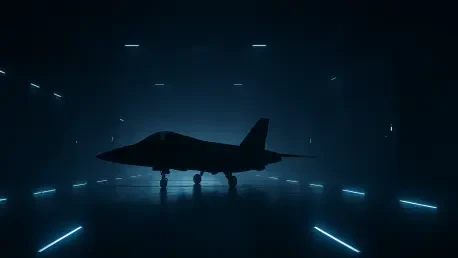

Advanced decision-making software and AI-assisted piloting are among the core technologies being refined by the multinational team based in Italy. The recent inauguration of the Edgewing headquarters in Turin represents a defining moment for European aerospace, shifting the gravity of military aviation design toward the Mediterranean. This facility is the first major engineering hub established outside the primary United Kingdom base, signaling a new era of distributed but deeply integrated collaboration. By bringing together top-tier engineers from Italy, Britain, and Japan, the Turin site effectively consolidates Italy’s industrial standing within the Global Combat Air Programme. This initiative is not merely about assembling parts; it is about establishing a central design authority that will dictate the future of aerial combat. The momentum behind this hub suggests that the traditional hierarchy of aerospace power is evolving, with Italy now serving as a critical node in a trilateral network that aims to redefine the sixth-generation fighter jet.
Industrial Synergies: The Rise of the Turin Hub
Edgewing operates as a sophisticated joint venture between Italy’s Leonardo, the United Kingdom’s BAE Systems, and Japan’s JAIEC, with each partner maintaining an equal stake in the project’s success. This entity serves as the primary design authority, tasked with overseeing the complex engineering, airworthiness standards, and final certification of a next-generation fighter scheduled for entry into service by 2035. The establishment of the Turin office marks a significant transition from abstract concept development into a concrete, integrated industrial framework. By decentralizing the design process, the program leverages the unique technical strengths of each nation while ensuring that the Italian aerospace sector remains deeply embedded in the aircraft’s foundational architecture. This structural approach facilitates a seamless exchange of data and intellectual property, which is essential for meeting the aggressive development timelines required for modern defense platforms.
The strategic impact of this hub extends far beyond the walls of the engineering offices, as it aims to scale its workforce to approximately 1,000 specialists in the coming years. This growth is further amplified by the presence of over 1,000 additional personnel from Leonardo, creating a massive concentration of high-level aerospace talent in the Piedmont region. Such a density of expertise fosters a vibrant ecosystem that benefits local suppliers and smaller technology firms, creating a ripple effect across the regional economy. Furthermore, the Turin hub acts as a magnet for specialized labor, ensuring that Italy retains its most capable engineers and researchers. By providing a stable, long-term roadmap for employment and innovation, the facility secures Italy’s role as a leader in global defense. This concentration of human capital is vital for sustaining the high-tech infrastructure necessary to support the lifecycle of the Global Combat Air Programme through the 2030s and beyond.
Technological Architecture: Connectivity and Digital Sovereignty
The technological trajectory of the Global Combat Air Programme reflects a fundamental shift toward connected systems rather than isolated platforms. Modern aerial warfare no longer relies solely on the performance of a single aircraft but instead emphasizes a network-centric approach where information flows seamlessly between various assets. The future fighter will incorporate advanced low-observable characteristics and stealth technologies that are refined through rigorous testing at the Turin facility. Moreover, the integration of artificial intelligence is central to the project, as the system must assist pilots in managing the immense volume of data generated during high-stakes missions. This software-heavy approach allows the aircraft to coordinate uncrewed wingmen, effectively acting as a mother ship for a swarm of autonomous drones. This capability ensures that the platform remains adaptable to evolving threats, making the design hub a crucible for the next generation of multi-domain combat operations.
The successful establishment of the Turin hub demonstrated that international collaboration effectively bridged the gap between national interests and collective defense goals. It showed that Italy was ready to lead in the development of sophisticated sensors and software-driven combat systems, moving beyond its traditional reputation for manufacturing. As the project moved forward, the integration of Italian, British, and Japanese expertise created a robust foundation for the fighter’s airworthiness and certification pathways. Strategic planners recognized that the focus required a shift toward securing the supply chain and ensuring that the digital infrastructure was resilient against emerging cyber threats. Industry leaders identified the necessity of prioritizing the continued training of young engineers to sustain this momentum into the next decade. The Turin hub served as a blueprint for future sites in the United Kingdom and Japan, proving that a unified design authority was the most efficient way to manage the complexities of next-generation aviation.