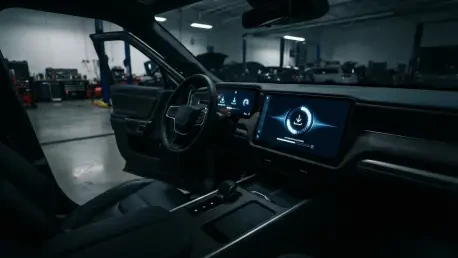

The shift toward software-defined vehicles allows cars to stay technologically current and safer for longer periods through constant digital evolution. This fundamental change has transformed the modern car from a collection of mechanical parts into a complex mobile computing platform. While drivers once worried primarily about oil changes and tire rotations, they must now consider the status of their vehicle’s operating system as a core component of roadworthiness. This digital transformation means that a car’s capabilities are no longer fixed at the point of sale. Instead, vehicles are dynamic assets that receive continuous improvements to their braking logic, fuel mapping, and safety sensors. As connectivity becomes standard across all price points in 2026, the reliance on cloud-based updates has moved from a luxury perk to an essential safety requirement for every driver on the road today. This shift ensures that even as hardware ages, the logic governing the machine remains as sharp and responsive as a brand-new model.
The Digital Architecture of Modern Transportation
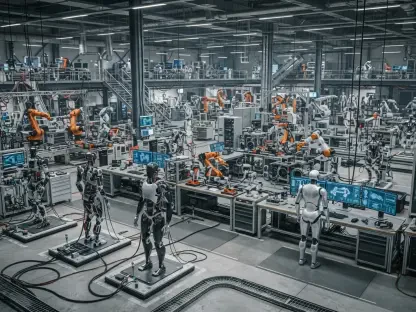
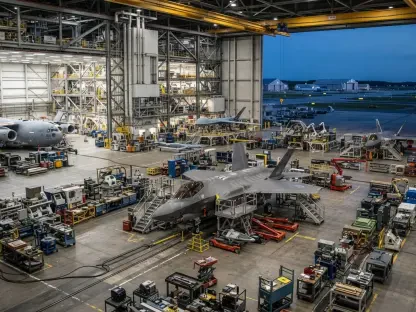
The intricate network of Electronic Control Units (ECUs) serves as the primary skeleton for today’s automotive technology, acting as the brains behind nearly every physical movement. These small, specialized computers are no longer isolated islands of logic; they are deeply woven together through high-speed data buses that allow real-time communication between the engine, the chassis, and the safety systems. This high degree of integration means that a change in the software for the transmission might also require a corresponding adjustment in the stability control logic to maintain a smooth and safe driving experience. As vehicles transition into 2026, the volume of code required to manage these systems has surpassed that of modern fighter jets, making the management of digital integrity a massive undertaking. Manufacturers now view the software stack as a living entity that requires constant observation to ensure that as hardware components age, the digital instructions remain precise and efficient.
In the traditional era of car ownership, a mechanical defect or a faulty component usually mandated a physical recall, requiring owners to drop their vehicles off at a service center for hours or even days. Today, the nature of vehicle “faults” has shifted toward digital glitches or coding errors that may only manifest under specific, rare environmental conditions. These bugs can be just as critical as a loose bolt, potentially affecting everything from how a rearview camera displays its image to how an automated emergency braking system interprets a shadow on the road. By deploying targeted software patches, engineers can now resolve these vulnerabilities without a single wrench touching the vehicle. This capability provides a safety net that was previously impossible, allowing for rapid response to discovered issues. It also ensures that the vehicle stays compatible with the latest infrastructure standards and mobile technology, preventing the car’s ecosystem from becoming obsolete.
Enhancing Security and Technical Performance
As vehicles become persistent nodes on the global internet, they face a landscape of digital threats that were once reserved for servers and personal computers. Cybersecurity has consequently become a paramount concern for automakers, as the risk of unauthorized access to a vehicle’s steering or braking systems represents a catastrophic safety hazard. Regular software updates function as the primary defense in this ongoing battle, providing essential security patches that close newly discovered backdoors or encryption weaknesses. Organizations like the National Highway Traffic Safety Administration have emphasized that a vehicle’s safety rating is now inextricably linked to its digital resilience. Without consistent updates, a car’s security posture begins to degrade the moment it leaves the factory. Protecting the integrity of the communication between the cloud and the vehicle ensures that malicious actors cannot interfere with the critical telemetry that modern cars use to navigate safely through traffic.
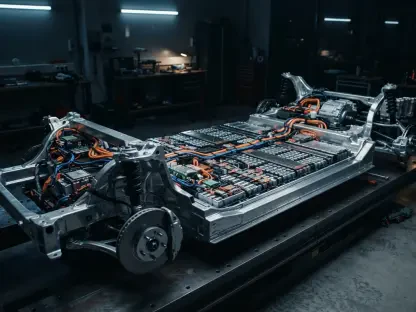
The advantages of ongoing software updates extend far beyond basic safety and security into the realm of measurable mechanical optimization. For owners of electric vehicles, a simple over-the-air update can recalibrate the battery management system to unlock more range or decrease the time spent at a charging station. Similarly, internal combustion engines can receive new fuel mapping profiles that improve efficiency and reduce emissions, effectively giving the driver a more capable machine through code alone. These refinements also extend to the user interface, where infotainment systems are frequently updated to eliminate lag and introduce more intuitive controls that reduce driver distraction. By constantly analyzing data from the global fleet, manufacturers can identify patterns in how components wear out and release software updates that preemptively adjust performance parameters to extend the life of the hardware. This proactive approach turns the vehicle into an evolving platform that gets better and more refined.
Delivery Methods: The Shift to Wireless Updates
The delivery of these digital improvements has undergone a radical transformation, with over-the-air (OTA) technology becoming the gold standard for modern automotive maintenance. This wireless approach allows manufacturers to push critical updates directly to the car via cellular or Wi-Fi connections, often while the vehicle is parked overnight in a garage. For the consumer, this translates to an unprecedented level of convenience, as safety recalls that used to require a day at the dealership can now be resolved without the owner ever turning a key. This seamless integration ensures a much higher compliance rate for safety updates, as the friction of scheduling maintenance is almost entirely removed from the equation. As of 2026, this capability is a defining feature of the modern driving experience, reflecting a world where the car is constantly connected to a support network of engineers who are continuously working to improve the vehicle’s functionality and safety profile.
Despite the widespread adoption of wireless technology, a significant gap remains between the digital capabilities of various manufacturers across the industry. While tech-first automakers built their vehicles with a centralized digital architecture that allows every single ECU to be updated remotely, many legacy brands are still navigating the limitations of older hardware designs. In these cases, a vehicle might be able to update its dashboard maps or music apps wirelessly, but critical updates to the powertrain or the braking logic might still require a physical connection at a certified service center. This discrepancy highlights the transitional state of the market, where hardware and software are not always perfectly aligned. For many owners, this means that even in 2026, a trip to the dealership is occasionally necessary for deep-system patches that the vehicle’s current internal wiring cannot handle over the air. Understanding these limitations is crucial for buyers who prioritize a fully digital experience.
Safety Protocols and Owner Responsibility
Updating the software on a multi-ton vehicle is an operation that carries significantly higher stakes than refreshing the operating system on a smartphone or a laptop. Because a failed installation could potentially disable critical safety systems or render the car completely inoperable, manufacturers have developed extremely rigorous safety protocols to govern the process. Most updates are designed to trigger only when the vehicle is in a safe, stationary position with the parking brake engaged and the ignition turned off. In many cases, the system will also check the state of health of the 12-volt battery to ensure there is enough power to complete the write-cycle without interruption. If an owner ignores the specific conditions required for an update—such as parking in an area with poor signal or attempting to drive during the process—they risk “bricking” the vehicle’s modules. This creates a new form of digital breakdown that requires a tow to a specialized facility, illustrating that the process demands awareness.
While the focus on digital health is growing, it is vital to recognize that software is not a universal solution for physical wear and mechanical failure. An update can optimize the pressure applied by an automated braking system, but it cannot compensate for thinning brake pads or a cracked hydraulic line. The modern driver must balance the needs of the car’s code with the realities of its hardware, ensuring that digital patches are complemented by traditional inspections. A software-defined vehicle still relies on tires for grip and a suspension system for stability; therefore, maintaining the machine requires a holistic strategy. Relying solely on the car’s ability to “self-heal” through updates can lead to a dangerous false sense of security. The most successful owners in 2026 are those who treat their vehicles as hybrid machines, staying diligent about software notifications while remaining steadfast in their commitment to physical oil changes, fluid checks, and mechanical oversight.
Long-term Support: Managing Longevity in Aging Vehicles
A burgeoning challenge for the automotive industry involves the long-term viability of software support as vehicles move through their natural lifecycle. Unlike consumer electronics which are often replaced every three to five years, cars are expected to remain on the road for a decade or longer. This creates a potential obsolescence gap where the internal processing power and memory of an older car may eventually become insufficient to handle the increasingly demanding software updates required for modern security and connectivity. As the fleet ages beyond 2026, manufacturers face the difficult task of deciding how long they must provide digital upkeep for a product that was sold years prior. If support is discontinued, older vehicles could become vulnerable to cybersecurity threats or lose access to essential navigation and communication services. This scenario forces a new conversation about the right to repair and the necessity of standardized digital support lifecycles for every used car buyer.
The shift toward a digital-first automotive landscape changed the way drivers perceived maintenance and safety in 2026. This evolution proved that the bond between a manufacturer and a vehicle did not end at the dealership doors but instead matured into a continuous partnership. Industry leaders successfully demonstrated that regular software patches were the most effective tools for mitigating risks and enhancing the value of the machine over time. Drivers who embraced these updates found themselves behind the wheel of cars that stayed relevant and secure, while those who prioritized holistic maintenance experienced fewer technical failures. The industry ultimately moved toward a model where digital health was synonymous with physical safety. The actionable insight for every modern owner remained clear: staying informed about software requirements and following installation protocols was as mandatory as any mechanical repair. By treating the code with respect, the public ensured safer roads for everyone.