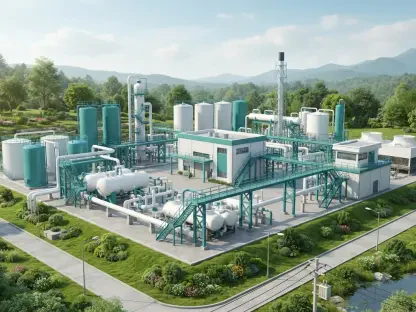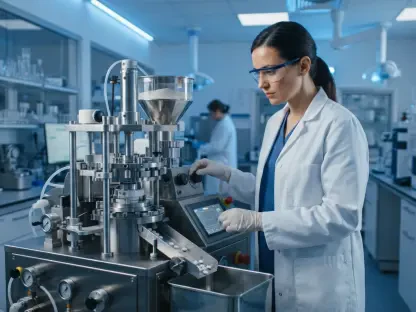

The global pharmaceutical landscape is currently undergoing a massive transformation as the demand for small molecule active pharmaceutical ingredients surges toward an estimated valuation of three hundred and seventy billion dollars by 2035. This significant growth trajectory, which began from a base of approximately two hundred and one point eight billion dollars in 2025, highlights the enduring importance of traditional chemical synthesis in an era often dominated by biological headlines. Small molecule APIs remain the absolute backbone of the modern drug industry because of their high bioavailability and the inherent convenience of being processed into standard oral forms like tablets and capsules. As the global population continues to age and face an increasing prevalence of chronic conditions, the urgency for accessible and stable medical treatments has never been higher. With a compound annual growth rate exceeding six percent, the industry is recalibrating its focus toward these essential chemical components to ensure therapeutic reliability and long-term supply chain security across both established and emerging healthcare markets worldwide.
Strategic Value: Drivers of Therapeutic Demand
Bioavailability: The Advantage of Chemical Synthesis
Despite the high-profile rise of large-molecule biologics, small molecule APIs continue to dominate the commercial industry because of their exceptionally well-established manufacturing protocols and overall cost-efficiency. These chemical entities are relatively simple to characterize and stabilize, which makes them ideal for mass production and distribution across diverse global climates without the need for complex cold-chain logistics. Furthermore, the molecular weight of these compounds allows them to pass through cell membranes more effectively than larger proteins, enabling them to reach intracellular targets that are otherwise inaccessible. This fundamental biological advantage ensures that small molecules remain the preferred choice for a vast array of therapeutic classes. Manufacturers are now leaning into advanced synthetic chemistry to produce increasingly complex molecules, bridging the gap between traditional chemistry and the precision of modern medicine while maintaining the scalability required for global distribution and patient access.
Economic Impact: The Vital Role of Generic Medications
The growing global reliance on generic medications further reinforces the market position of small molecule APIs as healthcare systems seek to reduce costs without compromising on quality. In the current economic climate, the ability to produce high-quality APIs at a lower price point is a critical competitive advantage for pharmaceutical firms operating in both developed and emerging markets. Innovations in synthetic pathways are allowing manufacturers to bypass older, less efficient methods, leading to higher yields and lower environmental impacts. This shift is particularly evident in the production of high-potency molecules that cater to niche patient populations requiring precise dosing. By focusing on the optimization of existing chemical structures, the industry can extend the life cycles of proven therapies while simultaneously developing new derivatives that offer improved safety profiles. This dual approach provides a stable financial foundation for the entire pharmaceutical sector as it navigates the complexities of global health demands.
Innovation: Transforming Manufacturing Protocols
Efficiency Gains: Transitioning to Continuous Systems
A major shift is currently occurring as the pharmaceutical industry moves away from traditional batch production toward much more efficient continuous manufacturing systems. This transition represents a fundamental change in how small molecule APIs are synthesized, allowing for a constant flow of materials through the production line rather than discrete steps that can lead to variability. Continuous manufacturing helps to significantly reduce waste by optimizing the use of raw materials and energy, which is increasingly important as sustainability becomes a core corporate value. Moreover, these systems are much more adaptable to changes in demand, as they can be scaled up or down more easily than traditional batch setups. By adopting this technology, manufacturers can ensure a more consistent product quality, as the real-time monitoring of every stage of the process allows for immediate adjustments. This move toward modernizing the factory floor is essential for maintaining a competitive edge in a market that demands both high quality and rapid delivery.
Digital Transformation: Artificial Intelligence in Production
The integration of artificial intelligence and advanced data analytics is further accelerating the transformation of the small molecule API manufacturing sector. By utilizing AI algorithms for drug discovery and process optimization, companies can identify the most efficient synthetic pathways much faster than traditional trial-and-error methods. Real-time process monitoring, powered by sophisticated sensors and machine learning, ensures that every batch meets strict regulatory compliance standards without the need for extensive post-production testing. This capability not only reduces the risk of batch failures but also helps to optimize chemical yields, lowering the overall cost of production. Furthermore, data-driven insights allow manufacturers to predict potential equipment failures before they occur, minimizing downtime and maintaining a steady supply of essential medications. As AI technology continues to mature, its role in the small molecule space will expand from simple process control to complex predictive modeling for firms.
Future Outlook: Strategic Steps for Resilience
The strategic shift toward small molecule API innovation provided a clear roadmap for the pharmaceutical industry to address the growing global health crisis. Stakeholders who prioritized the adoption of continuous manufacturing and artificial intelligence were able to achieve unprecedented levels of efficiency and product consistency. By investing in resilient, localized supply chains and forming deep partnerships with specialized CDMOs, companies successfully mitigated the risks associated with global volatility. Looking ahead, it was evident that the integration of high-potency chemistry with digital optimization would define the next generation of medical treatments. Organizations that maintained a dual focus on cost-effective generic production and the synthesis of complex new chemical entities secured their position in a market valued at over three hundred and seventy billion dollars. These actionable steps ensured that the industry remained capable of delivering life-saving medications to a diverse population around the globe.