
A significant gap in raw material production means that it is currently impossible to manufacture a suit in South Africa using only locally produced natural fibers. This structural deficiency highlights the complex reality of the clothing, textile, footwear, and leather industry, which is currently being prioritized as a cornerstone for national economic recovery. Despite representing only 2.5% of total manufacturing output, the sector remains a primary focus for revitalization efforts aimed at addressing chronic unemployment. Major domestic retailers have signaled a transformative commitment to source an additional 81 million garments locally by the year 2030. This shift is not merely a patriotic gesture but a strategic move to stabilize the domestic economy and reduce reliance on volatile global supply chains. If these targets are met, the influx of orders could breathe new life into struggling factories and provide a much-needed foundation for sustainable industrial growth across the nation’s diverse manufacturing hubs.
Socio-Economic Empowerment: The Job Multiplier Effect
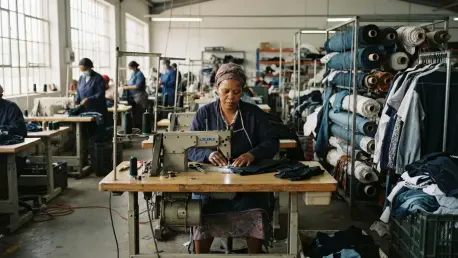
The true power of the manufacturing sector lies in its remarkable job-multiplying effect, which extends far beyond the factory floor. Industry analysts observe that for every direct role created within a clothing factory, four additional jobs are generated throughout the wider economy, spanning logistics, retail, and service sectors. This ripple effect makes the clothing and textile industry a unique vehicle for broad-based economic empowerment, particularly in regions where formal employment opportunities are scarce. Moreover, the sector provides a critical gateway for individuals who may have limited formal education or vocational training. With intensive, short-term training programs lasting only a few months, workers can achieve the proficiency required to participate in a high-intensity production environment. This accessibility ensures that the benefits of industrial revitalization reach the segments of the population that need them most, fostering a more inclusive and resilient national economy.
Beyond general employment figures, the clothing and textile industry serves as a vital pillar for the financial independence of women. Currently, women make up more than two-thirds of the manufacturing workforce in this sector, representing a rare counter-narrative to the traditionally male-dominated industrial landscape. By expanding local production, South Africa is effectively investing in the economic mobility of female workers, who often support entire households with their earnings. This focus on gender-inclusive growth is supported by data from the Localization Support Fund, which emphasizes that localizing 81 million garments could support 34,000 new positions by 2030. These jobs are not just statistics; they represent a pathway out of poverty for thousands of families. As the industry scales, it continues to provide a platform for skill development and leadership roles for women, ensuring that the revitalization effort contributes to long-term social stability and the dismantling of historical economic barriers.
Commercial Incentives: Navigating Infrastructure Bottlenecks
Localizing production offers South African retailers tangible commercial advantages that go well beyond social responsibility. By moving production closer to the point of sale, companies can significantly reduce their exposure to volatile exchange rates and minimize the high costs associated with international shipping. Furthermore, a shorter supply chain allows for a much faster speed-to-market, which is the lifeblood of the modern fashion industry. Retailers can respond more dynamically to shifting consumer preferences, producing smaller batches of trend-sensitive items rather than committing to massive orders months in advance. This agility helps businesses avoid the significant financial burden of aging stock, which often requires deep discounting to move. When a brand can design, manufacture, and stock a garment within weeks rather than months, it improves its working capital efficiency and strengthens its overall competitive position in a market increasingly dominated by rapid consumption cycles.
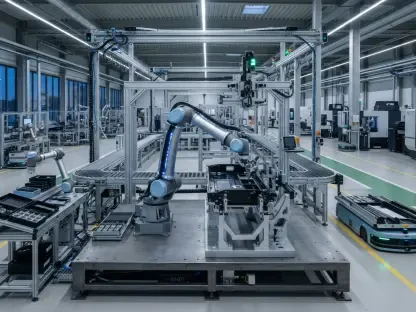
However, these theoretical benefits are frequently undermined by persistent infrastructure hurdles and resource limitations that plague the domestic manufacturing landscape. The inefficiency of national ports remains a primary concern, with fabric shipments in Durban often facing delays of up to three weeks, which cascades into production bottlenecks. These disruptions make it nearly impossible for local factories to compete with the seamless logistics of global competitors. Additionally, the severe shortage of local textile mills capable of processing natural fibers like cotton and wool forces manufacturers to rely heavily on expensive imports. This dependency creates a rigid ceiling for how “local” the industry can truly become and leaves producers vulnerable to global price fluctuations. Without significant capital investment in upstream manufacturing—specifically in advanced textile machinery and sustainable fiber processing—the dream of a fully integrated South African clothing industry will remain hindered by these structural gaps.
Digital Disruption: The Threat of Global E-Commerce
The emergence of international e-commerce giants has introduced an existential threat to South African manufacturers that rivals the trade liberalization challenges of previous decades. Platforms like Shein and Temu have rapidly captured a combined 3.6% of the domestic clothing market by utilizing sophisticated high-volume, low-cost shipping models. These digital retailers leverage massive economies of scale and aggressive algorithm-driven marketing to offer prices that local producers, burdened by higher labor and compliance costs, simply cannot match. Labor unions have expressed deep alarm regarding this trend, noting that unchecked growth from these platforms could lead to the loss of 34,000 jobs by 2030. The dominance of these e-tailers also impacts the digital landscape, as they overwhelm advertising spaces and make it prohibitively expensive for local brands to gain visibility. This digital saturation creates a barrier to entry for domestic firms attempting to modernize their own sales channels.
In response to this mounting pressure, there have been intensified calls for government intervention to create a more equitable competitive environment. While the South African Revenue Service moved to close certain tax loopholes at the end of 2024, many industry stakeholders believe that these measures are only the beginning. Trade unions and manufacturing federations are advocating for even stricter regulations, including potential long-term bans or heavy tariffs on platforms that fail to adhere to domestic labor and consumer protection standards. The argument is that these global entities not only undercut local pricing but also bypass the spirit of data privacy and environmental regulations that domestic firms are required to follow. Leveling the playing field requires a multifaceted regulatory approach that addresses both the fiscal advantages of international platforms and their logistical dominance. Protecting the local workforce involves ensuring that global competition does not come at the expense of industrial progress.
Regulatory Compliance: Reforming Labor and Procurement
A critical internal challenge facing the industry is the persistent tension between remaining price-competitive and maintaining high labor standards. The influx of cheap imports has conditioned many consumers to expect prices that are only achievable through the exploitation of workers or the bypassing of safety regulations. This economic “squeeze” has led to the proliferation of domestic “sweatshops”—unregulated factories that operate outside the formal economy to survive. These non-compliant firms pose a threat to the entire industry by driving down prices and punishing compliant companies that pay fair wages and invest in worker safety. Industry experts emphasize that the Department of Employment and Labor must take a more rigorous role in auditing the value chain to eliminate these illicit operations. Ensuring that every firm adheres to the national minimum wage is not just a moral imperative but a baseline requirement for a healthy manufacturing sector, preventing a race to the bottom that harms workers.
The revitalization of the South African clothing and textile industry was significantly advanced by recognizing that private sector commitment alone was insufficient. While major retailers made strides by sourcing nearly half of their products locally, public procurement historically lagged behind, with billions in government spending flowing to offshore suppliers. To rectify this, stakeholders proposed a strategic redirection of the R5 billion previously spent on foreign goods toward local, compliant manufacturers. This transition provided the necessary demand base to allow domestic factories to scale their operations and lower unit costs through increased efficiency. Moving forward, the focus shifted toward securing long-term investments in high-tech textile mills to close the raw material gap. Policymakers prioritized incentives for sustainable manufacturing and enforced strict transparency in the supply chain to protect progress. By aligning government purchasing power with industrial growth, South Africa transformed its sector.