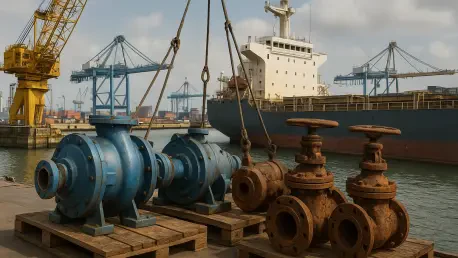

Procurement specialists are finding that the quality of equipment at blind auctions ranges wildly from valuable mechanical gems to absolute industrial trash. This reality has not deterred the massive wave of heavy machinery currently flowing from the American Gulf Coast toward the southern Caribbean. As the year 2026 progresses, the geopolitical landscape has shifted enough to allow a robust logistical pipeline to form between the Texas oil patch and the once-stagnant energy fields of Venezuela. This surge in trade is fueled by a desperate need for infrastructure repair following years of severe underinvestment and crippling sanctions. While the political climate remains complex, the economic reality is undeniable: the $100 billion reconstruction effort is now heavily reliant on the surplus of American industrial power. This influx of equipment represents a lifeline for the state-run oil firm, PDVSA, which is attempting to navigate a path toward stability amidst a high-stakes global energy recovery.
The Texas-Venezuela Connection: A Logistical Pipeline
Texas has solidified its role as the nerve center for this transcontinental operation, with industrial yards in Humble and Houston serving as the primary staging grounds for exports. Companies specialized in logistics are now operating at peak capacity, moving everything from heavy-duty trucks to specialized drilling tools. These facilities are often packed with rows of yellow iron, where technicians work around the clock to prepare aged American machinery for a second life in South American oil fields. The scale of this movement is reflected in the shipping schedules, where cargo vessels heading to the ports of Guanta, Maracaibo, and Guaranao are frequently booked months in advance. This logistical bottleneck highlights the intensity of the demand as Venezuelan operators scramble to secure any available hardware that can help restore production. The efficiency of this corridor has become a critical factor in the speed of the local recovery, bridging the geographic gap with sheer mechanical volume.
The range of equipment being requested by Venezuelan entities encompasses the entire spectrum of oilfield operations, from upstream drilling to downstream processing. High-horsepower rigs are particularly sought after, alongside essential workover units that are necessary for maintaining existing wells in mature fields. Beyond the massive drilling structures, there is a constant flow of smaller components such as valve stations, welding tools, and industrial pumps. These items are often sourced from decommissioned U.S. projects, where they are no longer considered state-of-the-art but remain highly functional for the tasks at hand in the Orinoco Belt. The logistical intermediaries facilitating these transfers must navigate complex customs regulations and international maritime laws, yet the potential for high profit margins continues to draw new players into the market. This steady stream of hardware is the physical manifestation of a broader strategic pivot toward industrial cooperation, even if the machinery itself is second-hand.
Operational Realities: Sourcing and Long-Term Stability
A substantial portion of the machinery entering the Venezuelan market is acquired through unreserved auctions, where the “as-is” nature of the sales creates a high-stakes environment for buyers. Prominent auction houses frequently move items like truck tractors and drill units that have logged thousands of engine hours in the American shale plays. This reliance on second-hand hardware is a pragmatic response to the immediate need for equipment, yet it introduces significant volatility into the supply chain. Procurement officers must often rely on visual inspections and limited operational data before committing to a purchase. This lack of verifiable maintenance history has led to a major bottleneck within the global insurance sector, as brokers remain hesitant to cover assets with unknown technical pedigrees. Without detailed maintenance logs or independent inspections, many insurers are either refusing to provide coverage or are offering terms that are too restrictive for most operators, forcing them to assume a higher level of risk.
The integration of American surplus into the Venezuelan energy landscape established a pragmatic framework for industrial revival that balanced immediate needs with available resources. Moving forward, the most successful operators were those who prioritized mechanical reliability and comprehensive logistical planning over the speed of acquisition. It became clear that the long-term viability of the reconstruction plan depended on moving away from the “hit-or-miss” nature of secondary markets and toward more transparent sourcing models. To ensure continued progress, stakeholders recognized the importance of investing in third-party inspection services and local maintenance hubs that could extend the life of aged machinery. This approach not only reduced the risk for insurers but also provided a more predictable environment for international investors. Ultimately, the transition from a “gold rush” mentality to a structured industrial strategy proved to be the most effective way to secure the future of the nation’s primary economic engine while stabilizing the regional supply chain.