
The company aims to achieve complete resource self-sufficiency by utilizing waste-heat recovery and coal-based power systems within its new facility. This transition represents a significant shift from traditional manufacturing models to a circular economy approach where industrial byproducts are repurposed to fuel ongoing operations. By focusing on the integration of captive power plants and waste-to-energy technologies, the organization is effectively shielding itself from the volatility of external energy markets while simultaneously lowering its carbon footprint. The modern steel industry faces mounting pressure to adopt cleaner production methods, and this strategic pivot positions the firm as a frontrunner in the regional market. As energy prices fluctuate and regulatory frameworks around emissions tighten, the ability to generate power internally provides a durable competitive advantage that few peers can replicate. This holistic strategy encompasses not only environmental stewardship but also a rigorous optimization of the entire value chain from raw materials to the final product.
Expansion Dynamics: Scaling Production Capacity
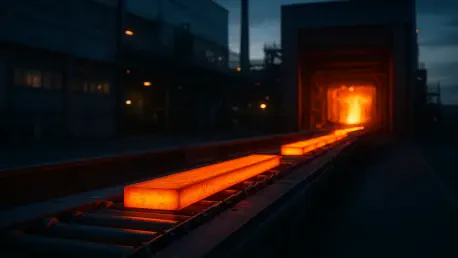
The expansion of the Bilaspur manufacturing site serves as the cornerstone of this updated corporate trajectory, targeting a substantial increase in sponge iron and billet output. Current projections suggest that the facility will soon reach a production milestone that allows for a more robust presence in the construction and infrastructure sectors, which continue to demand high-grade materials for urban development projects. By doubling down on the Bilaspur unit, the leadership team is capitalizing on favorable logistics and proximity to raw material sources, thereby reducing transportation overheads and lead times. This geographical advantage is complemented by the deployment of advanced smelting technologies that enhance the yield per ton of ore processed. Every stage of the manufacturing process is being scrutinized to ensure that the increased volume does not compromise the quality standards that have historically defined the brand. The focus remains on delivering consistent, high-tensile steel products to a growing regional client base.
Beyond mere volume increases, the integration of downstream and upstream processes is designed to maximize the margins on every unit sold. This internal synergy allows for a seamless transition from sponge iron production to the fabrication of finished steel products, effectively capturing value that was previously lost to external intermediaries. By controlling more of the production cycle, the company can implement more stringent quality control measures at every juncture, ensuring that the final output meets the rigorous specifications required by modern architectural engineering. The current fiscal cycle has already shown early signs of margin expansion as these efficiencies take hold across the various operational divisions. Furthermore, the ability to pivot between different product lines based on real-time market demand gives the organization a level of flexibility that is essential in a dynamic economic environment. Such agility is a direct result of the heavy investment in scalable infrastructure and human capital.
Technical Integration: Energy Independence and Market Strategy
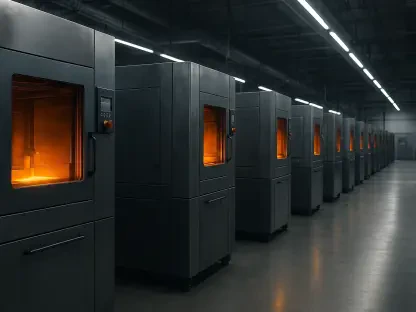
Central to the operational overhaul is the implementation of a sophisticated waste-heat recovery system that captures thermal energy from the sponge iron kilns. This technology represents a leap forward in industrial efficiency, as it converts what was once discarded exhaust into a reliable source of electricity for the plant’s high-consumption machinery. By significantly reducing the reliance on the public grid, the facility can maintain steady production schedules even during periods of energy scarcity or price hikes. The engineering team has optimized the heat exchange modules to ensure maximum capture rates, which translates directly into lower operational costs and a reduced environmental impact. This move toward self-generation is not merely about cost-cutting; it is a fundamental redesign of how energy is perceived within the metallurgical sector. By viewing heat as a valuable resource rather than a nuisance byproduct, the firm is setting a new standard for resource utilization and improving overall market competitiveness.
The transition to a more integrated and resource-efficient model proved to be a decisive factor in maintaining industry leadership. Leadership focused on refining the balance between rapid capacity expansion and the meticulous integration of green technologies, which ultimately fostered a robust corporate identity centered on reliability and innovation. Stakeholders recognized that the move toward energy independence provided a significant buffer against the economic fluctuations that characterized the mid-decade period. The successful implementation of the waste-heat recovery systems and the captive power plants demonstrated a clear pathway for other heavy industrial players to follow. Moving forward, the emphasis shifted toward leveraging this newly established infrastructure to pioneer carbon-neutral manufacturing techniques and expand the global export footprint. By prioritizing these structural enhancements, the organization ensured that it remained prepared for the stricter environmental regulations and higher performance standards.