
The global aviation landscape is currently weathering a period of unprecedented logistical strain that has left major international carriers and domestic regional airlines grappling with a severe lack of available airframes to meet rising travel demands. Boeing has responded to this persistent bottleneck by repurposing its massive Everett, Washington, facility to include a fourth assembly line dedicated to the 737 MAX. Historically recognized as the birthplace of iconic wide-body jets like the 747 and 777, the Everett plant now represents a pivotal shift in the company’s manufacturing strategy as it seeks to address a multi-year backlog that has stalled industry growth. By introducing single-aisle production to this legendary site, the manufacturer aims to supplement its primary narrow-body operations in Renton. This move is not merely about space; it is a calculated attempt to stabilize a global market where the demand for fuel-efficient aircraft far exceeds current supply levels.
Modernizing the Production Landscape at Everett
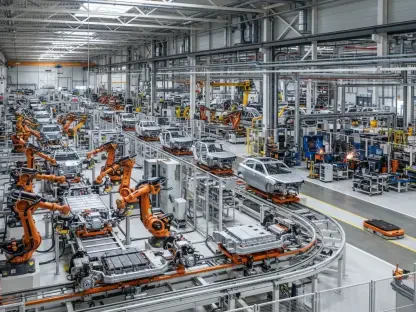
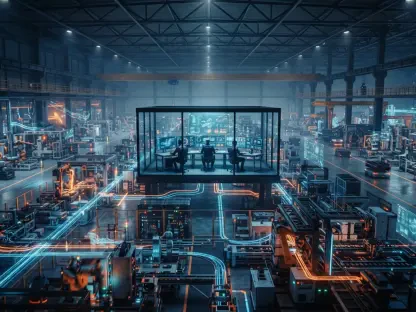
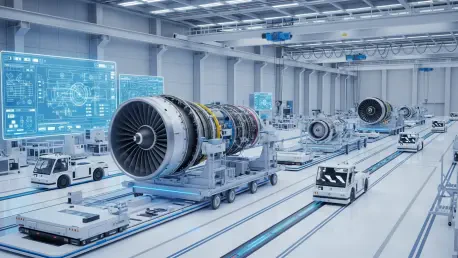
The new North Line at the Everett facility serves as the centerpiece of a broader effort to streamline the assembly of narrow-body jets through a high-tech manufacturing environment. Engineers and technicians have commenced operations under a framework known as Low-Rate Initial Production, a phase designed to meticulously refine assembly sequences and validate safety protocols before hitting full capacity. This methodology ensures that the complexity of the 737-10 and other high-capacity variants is managed with precision, minimizing the risk of quality control issues that have hampered previous cycles. Integrating these advanced systems within the existing Everett infrastructure allows for a more flexible response to changing market needs, theoretically reducing the time it takes for a plane to move from the drawing board to the tarmac. As the facility scales up its output, the focus remains on achieving a sustainable production rhythm that can endure long-term fluctuations.
While the expansion is a major step forward, the immediate reality for many commercial operators involves managing the fallout of delayed deliveries that have persisted for several years. Airlines have been forced to extend the operational lifespan of older, less efficient aircraft, which in turn drives up maintenance overhead and significantly increases total fuel consumption across the board. The financial burden of keeping these aging fleets airworthy has compelled many carriers to consolidate their flight schedules and eliminate less profitable regional routes, directly impacting consumer accessibility. This lack of available seating capacity often translates into higher ticket prices and fewer nonstop options for travelers who have grown accustomed to a more robust network of flights. While the expansion at Everett offers a beacon of hope for future fleet renewal, the current transition period remains characterized by tight margins and a delicate balancing act for airline executives worldwide.
Navigating Industry Outlook and Passenger Rights
Industry analysts emphasized that while physical floor space at the Everett plant was a critical asset, the success of the 737 MAX expansion depended heavily on a fragile global supply chain. The production speed of narrow-body jets was frequently dictated by the availability of sophisticated components, such as high-bypass turbofan engines and advanced avionics suites, which were manufactured by third-party suppliers. Any disruption in these secondary markets had the potential to stall the entire assembly line, regardless of how many workstations were active in Washington. Consequently, the aviation industry anticipated that schedule volatility and aircraft deficits would likely persist through the mid-2020s as the manufacturer worked to synchronize its internal goals with external supplier capabilities. This period of adjustment required a heightened level of coordination between aerospace engineers and global logistics providers to ensure manufacturing capacity translated into a steady stream of delivered planes.
Regulatory bodies and consumer advocacy groups successfully implemented more transparent notification systems to protect travelers during the peak of the production shortage. Stakeholders discovered that providing clear, upfront information about potential equipment swaps or schedule adjustments reduced customer friction and improved overall trust in the aviation ecosystem. In regions like Europe and North America, airlines refined their compensation protocols to ensure that passengers received immediate assistance or refunds without the need for lengthy legal disputes. This shift toward consumer-centric policies served as a vital buffer while the manufacturing sector worked to stabilize its output levels. By the time the Everett facility reached its target production rate, these protections had become an industry standard, offering a level of predictability that was previously absent during periods of high-intensity operational flux.
Future Resilience through Industrial Evolution
The industry-wide response to the aircraft deficit emphasized the necessity of diversifying supplier networks and investing in predictive maintenance technologies. Corporate leaders prioritized the acquisition of advanced software tools that allowed for more accurate forecasting of parts availability, which significantly reduced the downtime associated with unexpected mechanical issues. Airlines that maintained a flexible fleet strategy, incorporating a mix of leased and owned assets, were better positioned to navigate the final stages of the global shortage. These organizations also began to explore the integration of sustainable aviation fuels and hydrogen-propulsion prototypes as part of their long-term fleet modernization plans. This proactive approach ensured that the return to normal delivery schedules was accompanied by a commitment to environmental and operational efficiency, setting a new benchmark for the aerospace industry as it moved beyond the logistical hurdles.
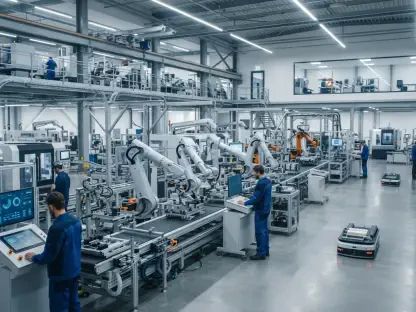
The strategic decision to diversify manufacturing sites demonstrated a commitment to long-term stability that transcended immediate production targets. Stakeholders observed that the integration of digital twin technology and automated assembly tools at the Everett facility provided a blueprint for future aerospace projects. These innovations allowed for real-time monitoring of every component, which successfully mitigated the frequency of assembly-line stoppages. Industry leaders recommended that airlines continue to prioritize fleet flexibility by maintaining diverse leasing agreements until the new production lines reached their peak efficiency levels. By adopting a more modular approach to fleet management, carriers managed to insulate themselves against the most severe impacts of the global shortage. This period of industrial evolution ultimately forced a rethink of how aircraft were built and delivered, fostering a more resilient ecosystem that emphasized quality.