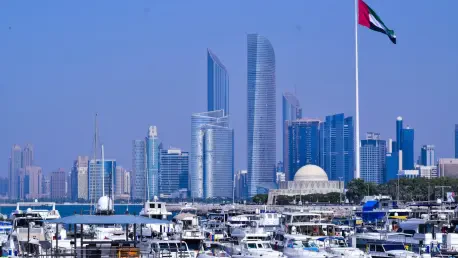

The urban landscape of Abu Dhabi has undergone a profound metamorphosis as the Department of Municipalities and Transport integrates high-level robotics into its daily sanitation routines. This technological evolution is not merely a cosmetic upgrade but a structural shift involving over 500 eco-friendly vehicles that now patrol an expansive territory of 36,000 square kilometers. By executing approximately 50,000 operations every single day, the fleet ensures that the emirate remains at the forefront of global cleanliness standards. These vehicles are embedded with sophisticated Internet of Things connectivity, allowing for a seamless exchange of data between the mobile units and central command centers. This initiative serves as a cornerstone of the broader strategy to modernize municipal services while strictly adhering to international climate action goals. The sheer scale of this deployment highlights a commitment to creating a living environment that is both pristine and technologically resilient for all residents.
Advanced Sensing: The Mechanics of Autonomous Sanitation
Central to the effectiveness of this new cleaning fleet is the integration of high-resolution, 360-degree cameras and advanced artificial intelligence sensors that provide real-time environmental analysis. These autonomous systems are capable of identifying various types of waste with high precision, ranging from common litter to industrial debris, while simultaneously monitoring the state of urban infrastructure. When a vehicle detects damage to a road or a sidewalk, it automatically logs the geographical coordinates and transmits a detailed report to the relevant authorities for immediate repair. This proactive approach significantly reduces the time between problem identification and resolution, ensuring that minor issues do not escalate into major public hazards. Furthermore, the sensors monitor compliance with local regulations, allowing for a more transparent and accountable management of public spaces without the constant need for human intervention or manual site inspections.
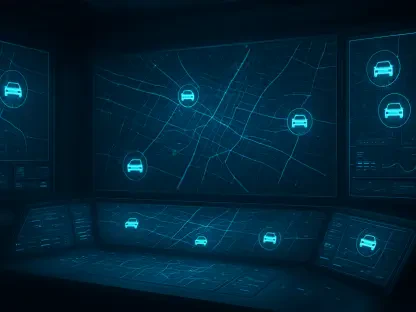
The operational backbone of this initiative is a centralized digital platform that synthesizes the massive influx of data from the artificial intelligence fleet to optimize workforce allocation. By leveraging real-time information, the Department of Municipalities and Transport can adjust cleaning schedules dynamically based on actual needs rather than rigid, outdated timetables. This transition from reactive to predictive maintenance has resulted in a substantial reduction in unnecessary fuel consumption, as vehicles no longer travel along routes that do not require servicing. Moreover, the platform allows for the precise tracking of each unit, ensuring that every corner of the 36,000 square kilometer area receives the appropriate level of attention. This level of oversight empowers municipal planners to make data-driven decisions that enhance overall productivity while minimizing the wear and tear on the vehicles themselves, thereby extending the lifecycle of this expensive technological investment.
Ecological Dividends: Carbon Neutrality and Resource Recovery
One of the most impressive outcomes of this technological overhaul is the drastic reduction in environmental impact achieved through the utilization of electric and alternative fuel systems. Within the first six months of the current year, the smart cleaning fleet has already contributed to a 40% decrease in carbon emissions, marking a significant step toward regional decarbonization. Projections indicate that the total carbon footprint will continue to shrink, dropping from the 13,401 tonnes recorded previously to an estimated 9,537 tonnes by the end of 2026. To put these figures into a tangible context, the reduction is equivalent to the total carbon absorption capacity of approximately 175,000 mature trees, showcasing a massive gain for local air quality. This shift reflects a strategic alignment with global environmental mandates, proving that urban expansion does not have to come at the expense of ecological health when innovation is prioritized within the municipal framework.
Beyond carbon reduction, the initiative has fundamentally redesigned the lifecycle of waste within the emirate by prioritizing a circular economy model that emphasizes resource recovery. Currently, about 94% of all waste collected by the smart fleet is processed through facilities located outside of traditional landfills, preventing the accumulation of hazardous materials in the ground. This process is supported by a 100% recycling rate for all maintenance oils used by the fleet, ensuring that the very machines used for cleaning do not become a source of pollution themselves. Additionally, the department has achieved a 22% recovery rate for resource value, turning what was once considered garbage into useful materials for industrial or agricultural reuse. By treating waste as a valuable commodity rather than a burden, the program has set a new standard for sustainable urban management, demonstrating how high-tech solutions can lead to zero-waste targets and long-term economic stability.
Strategic Implementation: Elevating the Global Urban Standard
The successful deployment of this AI-driven infrastructure played a pivotal role in the emirate reaching the fifth position in the 2026 International Institute for Management Development Smart City Index. This achievement was facilitated by a phased rollout strategy that prioritized high-density urban zones such as Abu Dhabi City and the Al Dhafra Region before expanding the high-tech scanning features to Al Ain. This systematic approach ensured that the technology was thoroughly tested and refined in diverse environments to guarantee maximum reliability for the entire population. Municipal leaders focused on integrating these smart services to enhance the overall quality of life, effectively setting a global benchmark for modern public utilities. Future considerations involved the expansion of these autonomous capabilities into other areas of city management, such as lighting and irrigation, to further solidify the region’s status as a leader in sustainable and intelligent urban development.