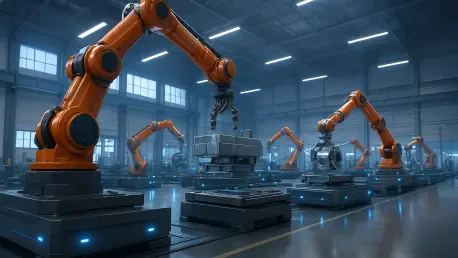

The physical and logistical proximity of the new Amazon site to Tesla’s Giga Texas suggests the emergence of a powerful new industrial corridor along the Colorado River. This strategic expansion represents a multi-billion dollar investment into a 300-acre site located within the newly annexed Dog’s Head district of East Austin. Previously shrouded in mystery under the code name Project Toaster, the initiative has now transitioned into a public-facing anchor for regional technological development. The facility is specifically engineered to produce sophisticated robotics capable of managing heavy lifting and repetitive tasks, which are essential for enhancing safety and operational efficiency across the company’s vast global fulfillment network. By choosing this location, the tech giant leverages Austin’s reputation as a global hub for advanced manufacturing and high-tech innovation. The decision reflects a broader trend of major corporations relocating to Central Texas to benefit from a deep pool of skilled engineering talent.
Economic Contributions: Specialized Job Creation in Austin
The establishment of this advanced robotics facility is anticipated to catalyze substantial economic activity through the creation of 300 to 500 specialized manufacturing and engineering positions. These roles are distinctly different from traditional fulfillment center labor, offering what local officials describe as high-level, family-sustaining careers that provide viable technical pathways for Austin residents. This investment further solidifies the company’s presence in the region, adding a new layer of technical sophistication to a local workforce that already encompasses more than 17,000 employees across various logistics and corporate sectors. By focusing on specialized engineering, the project aims to cultivate a specialized talent ecosystem that will likely attract further peripheral businesses to the East Austin area. This shift toward high-tech manufacturing highlights the city’s evolving role as a center for the next generation of industrial automation in North America.
In a significant move that diverges from traditional corporate relocation strategies, the company has explicitly requested no public money or economic incentives for the construction of this site. This decision has been met with praise from local leadership, including Mayor Kirk Watson, who highlighted that the facility will contribute to the city’s tax base from the very beginning of its operations. The resulting revenue is expected to be earmarked for essential municipal services, providing an immediate fiscal boost without the long-term burden of tax abatements. By eschewing typical financial handouts, the project establishes a potential new standard for how large-scale corporations can integrate into the Austin economy while offering immediate benefits to the surrounding community. This fiscal approach allows the city to support the necessary infrastructure improvements and public services required by a growing population while maintaining a balanced budget for the future.
Urban Redevelopment: The Dog’s Head Master Plan
The robotics hub is designed to serve as the foundational anchor for a massive 2,600-acre master-planned district managed by Endeavor Real Estate Group. This ambitious redevelopment effort seeks to transform the East Austin landscape into a vibrant, mixed-use urban extension that features thousands of new residential units alongside millions of square feet of commercial space. The plan prioritizes the creation of a modern street grid, pedestrian trails, and enhanced access to the Colorado River, ensuring that the development serves as more than just an industrial site. By integrating residential and recreational amenities with high-tech manufacturing, the master plan aims to create a holistic environment where employees can live and work in close proximity. This vision for East Austin represents a significant departure from the isolated industrial parks of the past, favoring instead a more connected and accessible urban fabric that supports a diverse range of activities.
Funding for the extensive infrastructure required by this massive undertaking will be facilitated through a Tax Increment Financing plan, which utilizes future tax revenue to reimburse developers for public works. This mechanism ensures that critical projects, such as road construction and utility expansion, are completed without placing an upfront financial burden on current taxpayers. Although the plan faced initial scrutiny within the City Council regarding its long-term financial implications, it was ultimately approved as a vital tool for converting undeveloped land into a functional urban district. The development effectively links the new robotics hub with other major industrial players in the area, creating a seamless logistical network that benefits the entire Central Texas region. This interconnectedness is expected to drive further innovation in supply chain management and automated logistics, reinforcing Austin’s position as a leader in the global tech economy.
Infrastructure Challenges: Community Integration and Future Growth
Despite the clear economic potential of the project, local residents voiced significant concerns regarding traffic disruptions and the permanent loss of existing thoroughfares like Hergotz and Dalton lanes. To address these mobility challenges, the development team committed to a multi-month mitigation plan designed to minimize construction impacts and ensure that local transit remains functional. Meanwhile, Travis County officials maintained a more cautious stance by conducting thorough due diligence regarding environmental impacts and long-term traffic projections. This rigorous review process was intended to ensure that the regional financing plan remained sustainable and that the development did not negatively impact the surrounding ecosystem. By addressing these concerns through transparent communication and detailed planning, the project organizers sought to build trust with the community while moving forward with the essential phases of the facility’s construction.
To ensure a lasting positive impact, the corporation finalized several community-focused initiatives that prioritized STEM education through partnerships with the Austin and Del Valle school districts. These programs provided students with hands-on experience in robotics and engineering, creating a direct pipeline for future local talent to enter the high-tech workforce. Furthermore, the company expanded its philanthropic support for organizations tackling food insecurity and housing affordability in East Austin, recognizing that social stability was a prerequisite for sustained growth. Future considerations for local planners shifted toward monitoring the integration of automated traffic management systems to further alleviate congestion around the industrial corridor. Stakeholders also explored how this high-tech anchor could serve as a model for sustainable urban development in other rapidly growing regions. The successful launch of this hub effectively transitioned the area into a premier center for manufacturing.