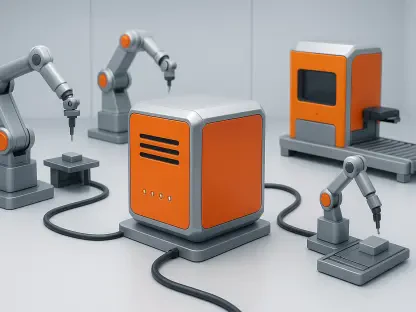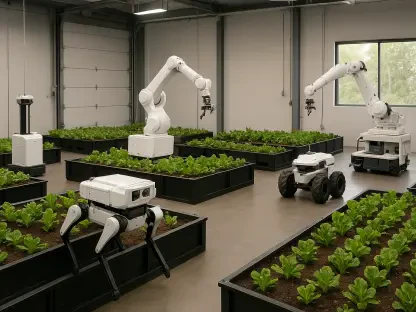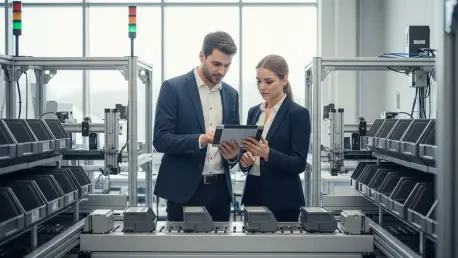

The traditional image of the American factory floor is rapidly dissolving as high-tech automation and intelligent systems replace manual labor, marking a pivotal transition in domestic production efficiency. This evolution is central to the collaborative efforts between Apple and Michigan State University, who have established the Apple Manufacturing Academy to serve as a catalyst for industrial modernization. As part of a larger six hundred billion dollar investment strategy, this initiative seeks to empower small and medium-sized enterprises by providing them with the necessary tools to navigate the complexities of a digitizing economy. By focusing on the seamless integration of robotics and smart manufacturing techniques, the Academy ensures that local businesses remain competitive against global players. This partnership bridges the gap between academic research and industrial application, creating a structured environment where innovation is not just theoretical but immediately applicable to current assembly lines.
Integrating Physical Artificial Intelligence into Production
During the recent Spring Forum held at the Michigan State University campus, a diverse group of industry leaders from prominent organizations like McKinsey, Magna, and Medtronic convened to analyze the practicalities of physical artificial intelligence. The discussions moved beyond abstract concepts, focusing instead on how machine learning algorithms can be utilized to optimize hardware performance in real-time. This shift toward physical AI represents a move where software does not just analyze data but actively directs mechanical movements to minimize waste and maximize output. Participants emphasized that the successful deployment of these technologies requires a sophisticated understanding of both mechanical engineering and data science. By fostering this interdisciplinary approach, the Academy provides manufacturers with a blueprint for transforming their existing facilities into smart factories. Such a transition is essential for maintaining the robustness of the domestic supply chain.
The long-term success of this digital transformation is heavily dependent on a workforce that is properly trained to manage and maintain AI-enabled systems. Priya Balasubramaniam, Apple’s Vice President of Product Operations, and Michigan State University President Kevin M. Guskiewicz have both stressed that the human element remains a critical component of technological progress. The partnership aims to cultivate a generation of technicians and engineers who are as comfortable with coding as they are with traditional fabrication. This educational component is vital because it addresses the growing talent gap that many American manufacturers face when trying to implement advanced automation. By offering specialized training for free, the initiative removes the financial barriers that often prevent smaller companies from upgrading their human capital. This investment in personnel ensures that the technological advancements being introduced today will be sustainable and manageable for decades to come.
Scalable Solutions for Domestic Supply Chain Resilience
Concrete examples of the Academy’s influence are already emerging within the medical technology sector, where precision and efficiency are of paramount importance. Block Imaging, a specialized medical equipment firm, participated in the program to refine its production floor operations and enhance the delivery of critical healthcare technology. Through direct collaboration with Apple engineers and academic experts from Michigan State, the company implemented streamlined workflows that significantly reduced lead times while maintaining rigorous quality standards. These improvements demonstrate that the Academy’s curriculum provides immediate, practical solutions that can be scaled across different manufacturing niches. To date, more than one hundred and fifty American businesses have engaged with the in-person training sessions, reporting tangible gains in their operational capacity. This success underscores the value of hands-on mentorship, where experts provide tailored advice that addresses the unique logistical challenges.
To ensure that the benefits of this initiative reached every corner of the nation, the program expanded its reach through new virtual programming aimed at manufacturers who could not attend sessions in person. This strategic move allowed for a broader distribution of high-tech resources, enabling companies from various geographical regions to participate in the ongoing industrial shift. The collaboration between a leading technology giant and a major research university provided a scalable model for how public-private partnerships could effectively revitalize an entire economic sector. By focusing on actionable insights and the deployment of advanced robotics, the Academy fostered an environment where local manufacturers regained their competitive edge. These developments secured a more resilient domestic supply chain and established a clear path for future technological integration across the country. The initiative successfully proved that the marriage of academic rigor and corporate expertise was the key to unlocking the full potential.