
Manufacturing consistency remains the single greatest obstacle for companies attempting to bring complex biological nanomedicines to the commercial market. While the theoretical promise of utilizing microscopic delivery systems has existed for decades, the practical transition from laboratory-scale synthesis to clinical-grade production marks the defining challenge of the current era. The field is currently witnessing a profound shift as researchers move away from artificial, synthetic compounds toward biologically derived solutions like exosomes. These tiny, naturally occurring extracellular vesicles have emerged as a primary focus for regenerative medicine, particularly in treating conditions that were previously considered permanent. By leveraging the body’s own intercellular communication pathways, companies such as NurExone Biologic are developing sophisticated platforms designed to repair damaged tissues at the cellular level. This represents a fundamental change in medical strategy: rather than merely managing the symptoms of chronic injury or degeneration, the focus has shifted toward restoring structural and functional integrity using nature’s own toolkit.
The Evolution of Nanoscale Delivery Systems
From Synthetic Carriers to Biological Messengers
The initial development of nanomedicine relied heavily on synthetic delivery vehicles, such as liposomes and lipid nanoparticles, which paved the way for the sophisticated systems in use today. While these artificial carriers demonstrated that therapeutic agents could be protected and transported at the nanoscale, they frequently encountered issues related to biocompatibility and off-target effects. Synthetic particles are often identified as foreign entities by the human immune system, leading to rapid clearance by the liver or kidneys before they can reach their intended destination. This “foreign body” response not only reduces the efficacy of the treatment but can also cause systemic inflammation, complicating the recovery process for patients already suffering from severe trauma. Consequently, the industry has turned its attention toward the exosome, which functions as a biological “coast guard” capable of navigating the bloodstream and tissues without triggering defensive immune reactions.
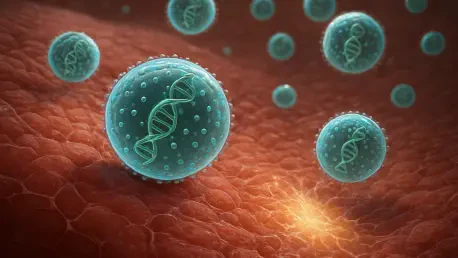
Exosomes are uniquely suited for therapeutic delivery because they are inherently programmed to participate in cellular signaling and substance exchange. Unlike a lab-made lipid shell, an exosome possesses a complex surface protein architecture that allows it to interact specifically with target cells, facilitating the entry of therapeutic payloads directly into the cytoplasm. This natural tropism enables a level of precision that synthetic systems struggle to replicate, allowing for lower dosages and reduced side effects. Furthermore, exosomes are remarkably stable and can survive the harsh environments within the body, making them ideal candidates for delivering delicate genetic instructions or proteins. By adopting these biological messengers, the medical community is moving away from the “stealth” tactics required for synthetic particles and instead utilizing the body’s existing logistical network to distribute medicine with unprecedented accuracy and efficiency.
Mechanisms of Nerve Repair and Regeneration
One of the most complex frontiers in modern healthcare is the regeneration of the central nervous system, an area where natural healing is notoriously limited. When the spinal cord or optic nerve is damaged, the immediate environment becomes hostile to recovery, characterized by the formation of dense scar tissue and the presence of inhibitory molecules that prevent neurons from regrowing. This inhibitory state, often referred to as a “molecular brake,” effectively locks the nervous system in a permanent state of dysfunction. To address this, the ExoPTEN platform utilizes modified exosomes to deliver small interfering RNA directly to the site of an injury. This siRNA is specifically engineered to silence the PTEN gene, which acts as a primary inhibitor of axonal growth. By neutralizing this internal restriction, the therapy encourages neurons to re-enter a developmental state, fostering the growth of new connections across previously impassable injury sites.
The success of these regenerative therapies depends on the synergy between the exosome carrier and its specialized payload. In preclinical models, this “one-two punch” approach has shown the ability to restore motor functions and visual acuity that were lost following traumatic events. The exosomes not only provide a safe vessel for the genetic material but also help to modulate the inflammatory environment of the wound, reducing the secondary damage that often follows an acute injury. As neurons begin to extend their axons, the biological signals carried by the exosomes provide the necessary support to ensure these new connections are stable and functional. This method represents a significant departure from older surgical interventions, offering a non-invasive, molecular-level solution that addresses the root cause of nerve regeneration failure rather than simply stabilizing the physical injury.
The Shift Toward Acellular Therapeutics
Moving Beyond Whole-Cell Stem Cell Therapy
The trajectory of regenerative medicine has evolved from the use of whole stem cells toward acellular, or cell-free, treatments that prioritize safety and predictability. While the early 2020s saw significant enthusiasm for stem cell transplants, the practical application of these therapies was often hindered by the risks of tumor formation, immune rejection, and the high rate of cell death after injection. Modern research has clarified that the therapeutic benefits associated with stem cells are largely driven by the “secretome”—the collection of signaling molecules and exosomes that the cells release—rather than the activity of the cells themselves. By isolating these potent vesicles, scientists can deliver the concentrated healing power of stem cells without the inherent dangers of introducing living, unpredictable biological material into a patient. This transition to cell-free products simplifies the therapeutic process and significantly enhances the safety profile of regenerative interventions.
The move toward acellular products also addresses the massive logistical challenges that once hampered the widespread adoption of regenerative medicine. Traditional cell therapies required specialized facilities for cryopreservation and immediate administration, making them difficult to deploy outside of major metropolitan research hospitals. In contrast, exosome-based products can be processed into stable, “off-the-shelf” formats that are easier to store and transport across long distances. This accessibility is vital for the treatment of acute injuries, such as spinal cord trauma, where the window for effective intervention is often very narrow. By shifting the focus to the isolated secretome, the industry is creating a more scalable model that allows for the mass production of standardized, highly potent treatments that can be delivered to any clinic or emergency room, regardless of its proximity to a specialized lab.
Overcoming Manufacturing and Consistency Challenges
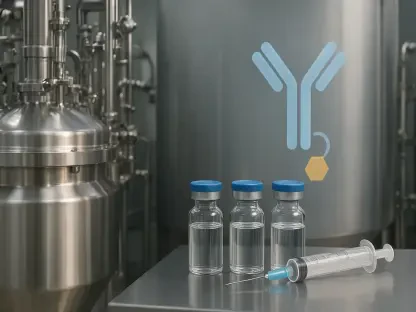
As the demand for exosome therapies increases, the industry must solve the complex puzzle of large-scale production while maintaining strict biological consistency. Because exosomes are derived from living cell cultures, their composition and therapeutic potency can be influenced by the slightest variations in the manufacturing environment, such as temperature, oxygen levels, or the concentration of nutrients in the growth medium. Ensuring that a batch produced in one facility is identical to a batch produced in another is a critical requirement for securing regulatory approval and ensuring patient safety. To meet these rigorous standards, companies are increasingly utilizing “Master Cell Banks” that provide a uniform starting material for every production run, thereby minimizing the risk of biological drift and ensuring that the final product remains within established therapeutic parameters.
Innovation in production hardware has also played a crucial role in stabilizing the supply of clinical-grade exosomes. Traditional two-dimensional laboratory dishes are being replaced by advanced 3D bioreactors and scaffolds that more closely mimic the natural three-dimensional environment of the human body. These 3D systems allow for higher cell densities and promote more natural cell-to-cell interactions, which in turn leads to the production of exosomes with superior potency and more consistent cargo. This shift toward advanced manufacturing techniques represents the maturation of the nanomedicine industry, moving it away from artisanal, small-scale laboratory work and toward a standardized pharmaceutical model. These developments are essential for creating the volume of high-quality material required for large-scale clinical trials and, eventually, for the widespread treatment of patients suffering from chronic degenerative conditions.
Navigating the Future of Nanotechnology
Addressing Regulatory and Investment Landscapes
The regulatory environment for exosome-based therapies is currently being shaped by a collaborative dialogue between innovative biotechnology companies and health authorities such as the FDA. Because these treatments occupy a unique space at the intersection of biological products, drug delivery systems, and gene therapy, they do not always fit within traditional regulatory frameworks. This has necessitated the creation of new benchmarks for characterizing the purity, identity, and potency of extracellular vesicles. Successful organizations are those that engage proactively with regulators to establish standardized testing protocols and safety metrics that can serve as a roadmap for the entire industry. This transparent approach helps to build trust and provides a clear pathway for the approval of new nanomedicines, reducing the time and cost associated with bringing life-changing treatments to the clinic.
Investment trends in the nanomedicine sector have also undergone a notable transformation, shifting from a focus on general technological hype toward a demand for robust, reproducible clinical data. The widespread success of lipid nanoparticle delivery systems in recent global health initiatives provided a massive “proof of concept” for the feasibility of nanoscale medicine, encouraging a more disciplined and focused investment strategy. Investors are now looking for companies that have not only demonstrated scientific brilliance but have also invested in the infrastructure required for commercial-scale manufacturing and regulatory compliance. This maturation of the financial landscape ensures that capital is directed toward the most viable and impactful technologies, fostering an environment where sustainable growth and genuine medical breakthroughs can occur. The current focus on disciplined development is a positive indicator for the long-term stability and success of the regenerative medicine market.
The Outlook for Restoring Human Function
The potential for exosome therapy to become a standard of care for restoring human function is greater than ever as the underlying technology reaches clinical maturity. The objective is no longer confined to slowing the progression of a disease; instead, the focus is on the active restoration of lost capabilities by repairing the structural framework of the body. As manufacturing processes become more automated and the biological mechanisms of action are better understood, the application of exosomes is likely to expand beyond nerve repair to include the treatment of cardiovascular disease, musculoskeletal degeneration, and even certain types of cancer. The ability to “program” the body’s own communication system to deliver specific healing instructions opens the door to a new era of personalized medicine where treatments are tailored to the specific cellular needs of the individual patient.
The journey toward the widespread adoption of exosome-based nanomedicine has involved a transition from ambitious scientific concepts to the creation of reliable, reproducible medical products. In the period from 2026 to 2028, the industry took significant strides in establishing the manufacturing and regulatory foundations necessary for large-scale clinical implementation. These efforts ensured that the safety and efficacy of extracellular vesicles were validated through rigorous testing, paving the way for their integration into routine medical practice. Moving forward, the focus shifted toward enhancing the accessibility of these treatments and ensuring that they could be easily administered by physicians in diverse clinical settings. By prioritizing the development of stable, potent, and easily distributable products, the medical community successfully moved closer to a reality where the most devastating injuries are no longer considered permanent and the restoration of human function is a standard expectation of modern healthcare.