
The American manufacturing sector is currently experiencing a transformative period of growth that has caught many industrial analysts by surprise. As domestic production facilities see an influx of orders, the primary challenge shifted from securing contracts to actually fulfilling them in an environment where skilled labor remains exceptionally scarce. This resurgence in metalworking is not merely a temporary spike but a systemic shift toward reshoring and localized supply chains that demand higher precision and faster turnaround times. To maintain this momentum, manufacturers are looking beyond traditional hiring practices and are instead focusing on how technological integration can fill the void. The current landscape is defined by a delicate balance between a booming demand for components and a limited human workforce capable of operating complex machinery. Addressing this discrepancy requires more than just optimism; it necessitates a fundamental rethink of how metal is shaped, measured, and delivered to a market that is more competitive than ever. This structural change signifies the beginning of a high-tech era for traditional shops that must adapt to survive.
Technological Evolution in Fabricating Processes
Integrating Robotic Systems on the Shop Floor
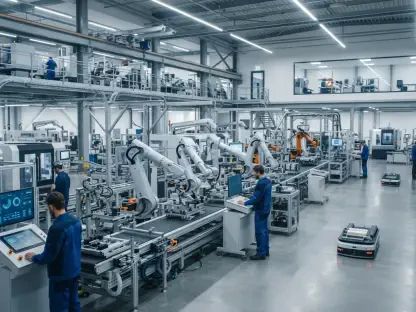
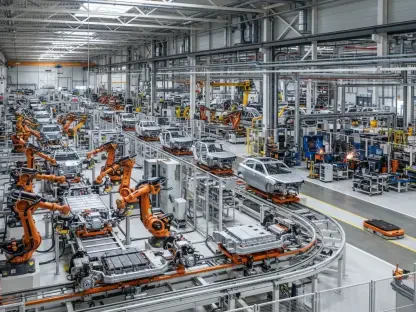
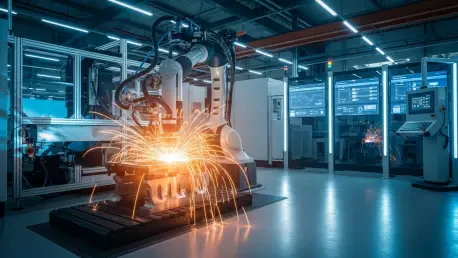
Robotic automation evolved far beyond the simple, repetitive pick-and-place tasks that defined the early days of factory modernization. In the current metalworking climate, collaborative robots are working alongside human operators to perform intricate welding, deburring, and assembly tasks with a level of consistency that is humanly impossible to sustain over long shifts. These systems utilize advanced sensory feedback to adjust to minor variations in material thickness or positioning, effectively reducing scrap rates and ensuring that every part meets stringent aerospace or medical standards. By offloading these physically demanding and highly repetitive tasks to automated units, companies are able to repurpose their existing staff for higher-level programming and quality oversight roles. This transition does not just boost output but also improves workplace safety by removing workers from hazardous environments involving extreme heat or sharp edges. The result is a more resilient production line that operates at peak capacity regardless of the immediate availability of new specialized technicians.
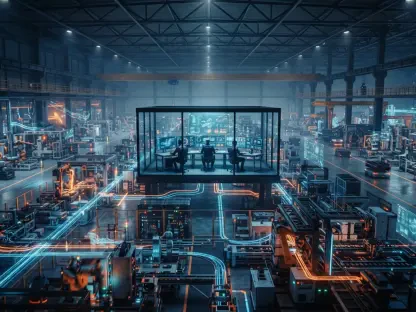
Beyond individual workstations, the implementation of autonomous mobile robots is streamlining the internal logistics of large-scale metalworking facilities. These units navigate through complex environments to deliver raw materials and transport finished components between different stages of production without human intervention. This seamless flow of materials eliminates bottlenecks that previously occurred when machines sat idle waiting for a forklift operator or a manual delivery. Furthermore, the data collected by these automated systems provides real-time insights into machine utilization and overall equipment effectiveness, allowing managers to identify inefficiencies before they lead to costly downtime. The integration of artificial intelligence with these robotic platforms allows for predictive maintenance, where the system identifies potential mechanical failures before they occur. This proactive approach ensures that capital-intensive machinery remains operational for longer periods, maximizing return on investment while maintaining the high-speed output required by modern industrial contracts.
Strategic Frameworks for Sustained Progress
The successful navigation of the recent metalworking surge demonstrated that a reliance on conventional scaling methods was no longer sufficient for modern industrial demands. Organizations that prioritized the adoption of modular automation systems effectively bypassed the stagnation that plagued competitors who remained tethered to manual processes. Industry leaders recognized that the initial investment in high-tech infrastructure was a prerequisite for long-term sustainability rather than a luxury. Moving forward, the focus shifted toward establishing a culture of continuous technical education to ensure that the workforce evolved in tandem with the machinery. Executives sought out partnerships with software providers to create customized digital twins of their facilities, enabling them to simulate production changes before physical implementation. These strategic actions solidified the United States’ position as a hub of manufacturing excellence. Future success necessitated a commitment to scalable technology and a total rejection of the status quo in favor of a data-driven, automated production model.