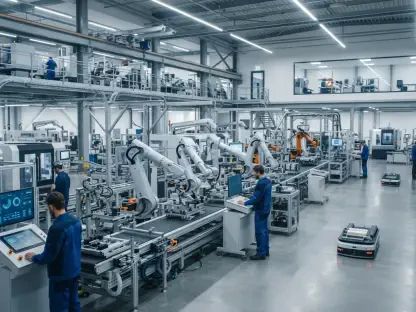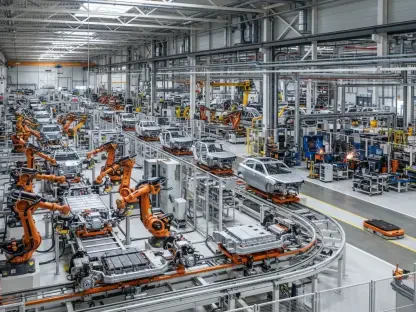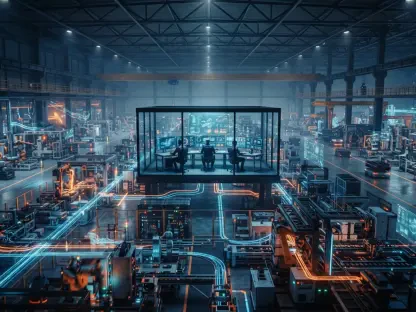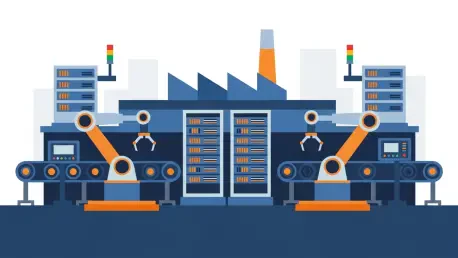

While the digital landscape of American industry has undergone a radical transformation over the last few years, the physical reality of the factory floor reveals a startling discrepancy where nearly seventy percent of production tasks are still performed by manual labor. This persistent “automation gap” creates a bottleneck in sectors like electronics and automotive manufacturing, where software capabilities have far outpaced the dexterity and adaptability of robotic hardware. Conventional machinery remains tethered to rigid instructions, unable to cope with the subtle variations of a dynamic assembly line. To address this, Charlotte-based startup RoboLeanX has introduced cognitive robots that function as intelligent agents rather than static tools. These machines utilize agentic AI to bridge the divide between digital intelligence and physical execution, allowing for a level of precision that mimics human capability. By moving toward a model where robots perceive and learn through visual data, the industrial sector is finally evolving past the limitations of pre-programmed repetition. This shift promises to solve labor shortages and set a new standard for production consistency.
The Technological Leap in Factory Performance
Intelligence Beyond Traditional Programming
The core innovation driving this industrial shift is a hardware-agnostic software platform that integrates seamlessly into existing factory ecosystems or specialized two-armed robotic units. Unlike legacy systems that require months of exhaustive coding and simulation for every minor adjustment in movement, these cognitive robots utilize advanced computer vision to learn tasks organically on the job. For example, the intricate process of sorting miscellaneous nuts and bolts, which involves varying weights and textures, can be mastered by the AI in approximately eight weeks. Even more impressive is the ability to acquire visual inspection skills in less than seven days, allowing the system to identify microscopic defects and material flaws that would elude the human eye or standard sensors. This rapid deployment capability eliminates the prohibitive downtime typically associated with upgrading factory lines. By focusing on perception rather than just execution, the technology allows for a high degree of adaptability in environments where product specifications change frequently.
Operational Gains Through Visual Learning
Operational efficiency gains realized through this cognitive approach are fundamentally changing the metrics of factory performance across the United States. Data indicates that implementing these adaptive systems leads to a sixty percent reduction in cycle times, as the robots process visual information and execute movements with a speed and consistency that manual labor cannot match. Furthermore, the precision of agentic AI contributes to a seventy percent decrease in defect rates, ensuring that quality control is embedded directly into the assembly process rather than treated as a separate, reactive phase. Because these machines never experience physical fatigue or the mental exhaustion associated with repetitive motion, they maintain peak performance levels twenty-four hours a day. This relentless reliability is particularly critical for high-volume industries where even a minor error can lead to costly recalls or production halts. By stabilizing output quality and increasing throughput, companies can meet burgeoning global demand without overextending their human workforce or sacrificing the integrity of products.
Economic and Safety Evolution in the Industrial Sector
Scaling Accessibility for Small Enterprises
The democratization of advanced manufacturing technology is a pivotal factor in revitalizing the domestic industrial base, particularly for small and medium-sized enterprises. Many of these smaller firms have historically been priced out of the automation market due to the massive upfront capital expenditures required for traditional robotic installations. However, the introduction of a Robotics-as-a-Service model by companies like RoboLeanX is removing these financial barriers, allowing businesses to implement AI-driven solutions through pilot programs with no initial purchase costs. This flexible approach enables smaller manufacturers to achieve a return on investment in as little as six months, providing them with the technological leverage needed to compete with larger global entities. By lowering the entry threshold, the industry is seeing a surge in local production capabilities that were previously outsourced to regions with lower labor costs. This economic shift does not just benefit individual companies but also strengthens the broader supply chain by creating a more resilient network.
Enhancing Workplace Security and Workforce Roles
The final phase of this industrial evolution prioritized the transformation of factory safety and the strategic redirection of the American workforce. Rather than merely replacing human intervention, cognitive AI systems repurposed existing video feeds to proactively monitor the floor for safety violations and analyze “near-miss” incidents that typically went unrecorded. This transition moved workplace security from a reactive, investigation-based model to a preventative, data-driven strategy that significantly lowered accident rates. Leaders in the sector encouraged a shift where employees moved away from mundane, dangerous tasks and transitioned into high-value roles focused on innovation and system management. To maintain this momentum, stakeholders recommended that companies invest in continuous upskilling programs and prioritize the integration of modular AI platforms that grew with their operational needs. By focusing on these actionable steps, manufacturers secured a future where technology served as an enhancer of human potential rather than a substitute. This holistic approach ensured that the industrial sector remained robust and adaptable.