
The rhythmic clatter of shuttle looms that once defined the heartbeat of this historic textile town had nearly faded into a mere echo of the past before a recent change in ownership sparked a renewed sense of hope. For decades, the local economy relied on the intricate art of weaving, but global competition and aging infrastructure threatened to turn the town’s proud heritage into a museum exhibit rather than a living, breathing industry. This transition represents more than just a corporate acquisition; it is a calculated attempt to bridge the gap between eighteenth-century craftsmanship and twenty-first-century market demands. New investors are now tasked with the monumental challenge of upgrading Victorian-era facilities while preserving the artisanal soul that gives the fabric its unique value. Whether this infusion of capital can truly reverse the long-term decline of local manufacturing remains a central question for economists as they observe the implementation of a new revitalization plan.
Revitalizing the Industrial Foundation
Modernizing Equipment and Workflow
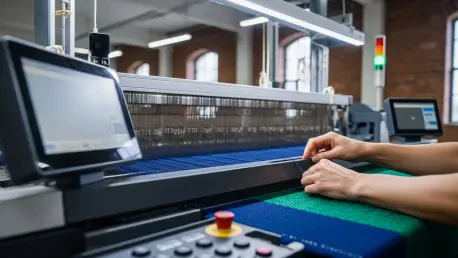
The primary hurdle for the new owners involves the integration of precision robotics into a workflow that has remained largely unchanged for generations, necessitating a delicate balance between technical speed and artisanal soul. By installing computerized tension sensors on existing looms, the facility can now produce complex patterns with a degree of consistency that was previously impossible to achieve manually. This hybrid approach allows the mill to maintain the tactile qualities of traditional weaving while significantly reducing the waste associated with mechanical errors. Furthermore, the introduction of automated quality control systems has enabled the staff to identify structural weaknesses in the warp and weft before the fabric reaches the finishing stage. This technological leap does not replace the human element but rather augments the expertise of veteran weavers who understand the nuances of fiber behavior. This ensures the output remains high and the legacy of the craft continues to thrive.
Implementing Sustainable Material Sourcing
Transitioning to a circular economy model has become a cornerstone of the new management’s strategy to ensure long-term viability and environmental responsibility within the global textile market. Instead of relying on mass-produced synthetic fibers, the mill has shifted its focus toward sourcing organic wool and recycled cotton from regional suppliers to minimize its carbon footprint. This localized supply chain not only supports neighboring farmers but also provides a transparent narrative for consumers who increasingly demand ethical production standards. By implementing a closed-loop water filtration system, the facility has also managed to reduce its chemical discharge by nearly eighty percent since early 2026. These environmental initiatives are paired with a commitment to durability, producing textiles that are designed to last for decades rather than seasons. The emphasis on high-quality, sustainable materials allows the town to position itself as a leader in the luxury market.
Community and Market Integration
Developing a Global Luxury Brand
Expanding the town’s heritage beyond regional borders requires a sophisticated rebranding effort that connects the historical narrative of the mill with modern aesthetic preferences and high-end retail. The new owners have launched a direct-to-consumer digital platform that highlights the individual stories of the craftspeople behind every roll of fabric, creating an emotional connection with international buyers. This marketing strategy leverages the authenticity of the town’s history, presenting the textiles as luxury artifacts rather than mere commodities. By collaborating with high-fashion houses in New York and Paris, the mill has secured several high-profile contracts that provide a steady stream of revenue to fund further facility upgrades. These partnerships serve as a testament to the enduring appeal of specialized weaving techniques that cannot be replicated by low-cost, mass-production factories. The focus remains on niche markets where the “Made in America” label carries weight.
Establishing Vocational Training Excellence
To ensure the long-term survival of the weaving trade, the leadership established a formal apprenticeship program aimed at attracting younger workers back to the industrial sector through specialized education. This initiative provided hands-on training in both traditional hand-weaving and modern machine operation, successfully bridging the generational knowledge gap that had previously threatened to leave the town without skilled labor. By partnering with local vocational colleges, the mill offered a curriculum that combined textile science with business management, preparing the next generation of artisans for the complexities of a modern manufacturing environment. Graduates were guaranteed employment, fostering a sense of stability and pride within the community. Stakeholders recommended a permanent innovation hub to refine traditional techniques through experimental research, ensuring that the local industry remains competitive. These steps transformed the local outlook from one of managed decline to one of sustainable growth.