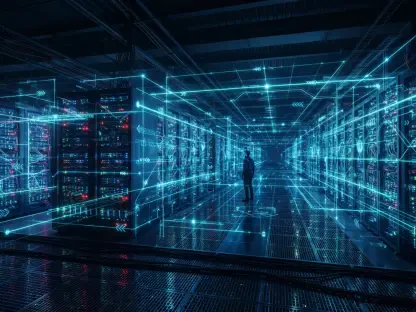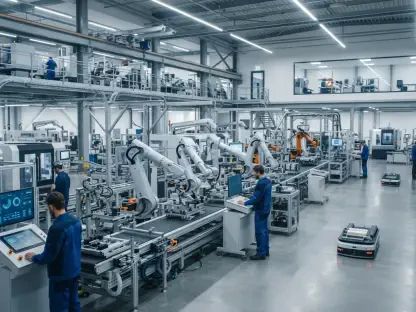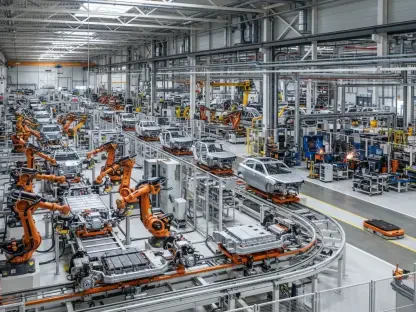

The shift in manufacturing towards virtual workflows is not merely a trend but a foundational restructuring of how industrial value is created and sustained across the global supply chain. In the current landscape, the complexity of automated systems has outpaced the ability of traditional design methods to predict performance with absolute certainty. To address this, the implementation of digital twin technology has emerged as a critical requirement for any organization seeking to maintain a competitive edge. These high-fidelity virtual replicas allow engineers to visualize, simulate, and optimize every aspect of a production facility before physical construction begins. By creating a risk-free digital environment, companies can explore “what-if” scenarios that would be too costly or dangerous to attempt in the physical world. This evolution marks the end of reactive engineering and the beginning of a proactive era where data informs every decision from the initial concept to the final assembly of complex machinery.
Economic Impact and Financial Risk Management
Driving Development Savings: The Power of Virtual Validation
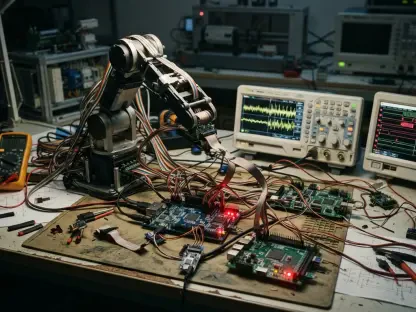
One of the primary drivers behind the widespread adoption of digital twin technology is the substantial reduction in capital expenditure associated with the development of new manufacturing lines. Industry data indicates that companies utilizing virtual validation processes can reduce their overall development costs by as much as 50 percent by identifying design flaws in the digital space. By simulating the intricate movements of robotic arms and the timing of conveyor systems, engineers can optimize the throughput of an assembly line without wasting physical materials or manpower. This financial advantage is particularly critical in high-precision industries where the cost of specialized equipment leaves very little room for error. Consequently, the digital twin acts as a financial safeguard, ensuring that the heavy investment required for modern automation is backed by a verified virtual prototype. This fiscal responsibility has transformed project planning into a streamlined operation.
In addition to immediate cost reductions, the use of virtual models effectively eliminates the traditional trial-and-error approach that once characterized the physical setup of complex factory floors. Historically, the commissioning of a new production line involved a high degree of uncertainty, as the theoretical designs on paper frequently clashed with the physical realities of the site. Digital twins have successfully bridged this gap by providing a sandbox environment where every mechanical interaction is tested under realistic conditions. This transition ensures that the physical installation process is no longer a period of high-stress problem-solving but a systematic execution of a pre-validated plan. Furthermore, this approach fosters a culture of collaborative innovation, where engineering teams can experiment with radical new layouts without the fear of damaging expensive hardware or causing lengthy downtime. This methodology has redefined the standard for industrial efficiency.
Predictive Success: Replacing Intuition with Empirical Data
The management of operational risk has also undergone a significant transformation through the application of digital twin technology in day-to-day manufacturing decisions. In previous years, modifications to an active production line were often the result of an engineer’s professional intuition or a collective “gut feeling” regarding how a system might respond to change. Today, this subjective decision-making process has been replaced by empirical data derived from constant simulation and analysis within the digital twin environment. By replaying historical production data through the virtual model, teams can identify the specific variables that contribute to bottlenecks or equipment failure before they occur in the physical world. This shift from reactive maintenance to predictive success allows companies to operate with a high degree of statistical probability. The ability to forecast the impact of a change with precision has significantly lowered the barrier for process optimization and improvement.
Furthermore, the integration of real-time sensor data into these virtual models provides a dynamic view of factory performance that static spreadsheets simply cannot match. This allows facility managers to monitor the health of critical assets and simulate the effects of increased production speeds or different raw material inputs without risking actual hardware. By analyzing the “digital shadow” of a physical machine, engineers can pinpoint the exact moment a component is likely to fail, enabling targeted maintenance that prevents unplanned outages. This predictive capability is essential for maintaining the high uptime required in modern, just-in-time manufacturing environments. The economic stability provided by such granular oversight cannot be overstated, as it protects the bottom line from the volatility of equipment breakdowns. As a result, the digital twin has become an indispensable tool for long-term financial planning, ensuring that industrial operations remain both profitable and resilient.
Design Transformation and Technical Implementation
From Static Prototyping: Human-Centric Virtual Environments
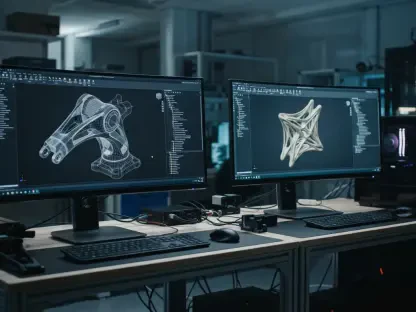
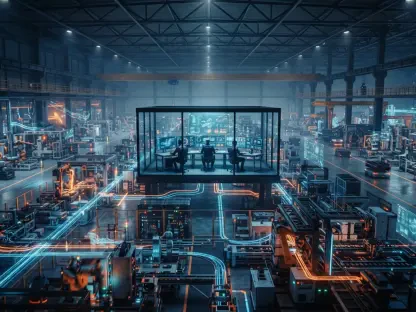
The shift from static 2D drawings to immersive 3D prototyping has revolutionized the way stakeholders interact with industrial designs during the planning stages. These digital environments offer a one-to-one physical representation of the future factory floor, allowing project managers to visualize equipment placement and material flow in a realistic context. By using virtual reality interfaces, teams can walk through the facility before a single brick is laid, identifying potential spatial conflicts or logistical hurdles that would be invisible in a standard schematic. This transition ensures that the placement of every robot, conveyor, and workstation is fully optimized for maximum efficiency and safety. This immersive approach not only improves the quality of the design but also facilitates clearer communication between technical teams and non-technical stakeholders. When a proposed layout can be experienced visually, it becomes much easier to secure buy-in for large-scale projects.
Beyond technical optimization, the democratization of data through digital twins has significantly improved the involvement of the workforce in the design process. By allowing shop floor operators to interact with virtual versions of their future workspaces, companies can ensure that technical designs are practical and ergonomic for human use. This human-in-the-loop strategy identifies potential safety issues and physical strain factors that an engineer sitting in an office might overlook. For example, a worker can virtually test the accessibility of a control panel or the range of motion required to load a machine, providing feedback that leads to immediate design adjustments. This collaborative approach not only improves worker safety and morale but also reduces the likelihood of expensive post-installation modifications. By prioritizing the human element in the virtual design phase, manufacturers are creating work environments that are both more efficient and more supportive of the people who keep the machines running.
The Path Forward: Strategic Recommendations for Industry Leaders
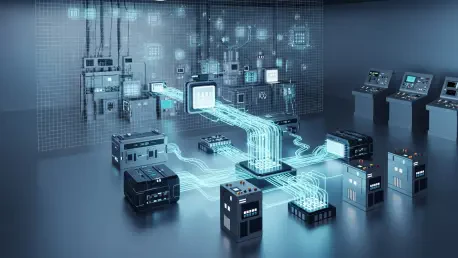
Technical implementation has reached a new level of sophistication with the arrival of virtual commissioning, where control software is validated against a virtual system. By connecting Programmable Logic Controllers to a high-fidelity digital twin, automation engineers can test the actual code that will run the factory in a safe and controlled virtual space. For instance, the complex logistics of an automated warehouse can be simulated and debugged months before the physical site is ready for testing. This process allows for the identification of software bugs and logic errors in a risk-free environment, which drastically reduces the time and stress associated with the final physical installation. This method has become particularly valuable in high-stakes applications, such as the automated disassembly of electric vehicle batteries. In these scenarios, digital twins map out safe robot paths to handle hazardous materials, ensuring that every movement is calculated to prevent accidents during handling.
The integration of digital twins fundamentally altered the manufacturing sector by providing a bridge between conceptual engineering and physical execution. This transition successfully moved the industry away from siloed information and towards a continuous digital thread that connects every stage of a product’s lifecycle. To capitalize on these advancements, manufacturers must now prioritize the development of interoperable data standards and invest in high-fidelity sensors that ensure virtual models remain accurate reflections of reality. Furthermore, fostering a culture of cross-departmental training will be essential to ensure that both engineers and floor workers can leverage these tools effectively. By maintaining the integrity of the digital-to-physical loop, organizations can achieve a level of operational agility that was previously unattainable. Moving forward, the focus should shift toward the long-term maintenance of these digital assets, ensuring they evolve alongside the physical machines.