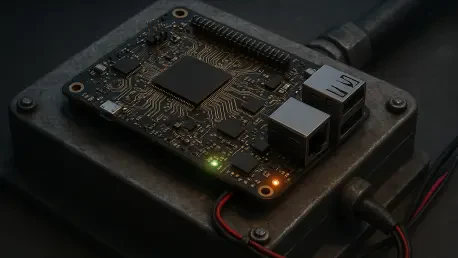

Single-Board Computers have transitioned from educational hobbyist platforms into ruggedized, industrial-grade tools capable of anchoring high-stakes automation systems. The modern industrial landscape is currently navigating a period of rapid digital transformation, characterized by the integration of automation, edge computing, and artificial intelligence. At the heart of this transition is the Single-Board Computer (SBC). Originally popularized in hobbyist and educational circles, the SBC has matured into a sophisticated, industrial-grade tool capable of anchoring complex systems. The primary driver for this shift is the staggering cost of operational failure; with manufacturing downtime averaging approximately $260,000 per hour, the industry has moved away from general-purpose hardware toward specialized, ruggedized solutions. This evolution allows for real-time data processing and decision-making directly at the edge, where sensors and actuators operate. By localizing intelligence, companies can achieve unprecedented levels of efficiency, security, and safety in their daily operations.
Scaling from Prototype to Production
Overcoming Memory and Power Constraints
Transitioning a project from a successful lab prototype to a full-scale deployment involves navigating significant technical and logistical hurdles. Global supply chain volatility, particularly regarding DRAM and storage memory, has forced manufacturers to adopt creative engineering strategies to maintain continuity. For example, the use of “clamshell” configurations allows designers to utilize multiple smaller-capacity memory chips, such as two 2GB chips, to meet a 4GB requirement when single high-capacity chips are unavailable. This flexibility ensures that production lines remain moving even when specific components are in short supply, providing a level of reliability that is essential for large-scale operations. Beyond hardware availability, this approach enables a more modular design philosophy where components can be swapped or upgraded without redesigning the entire board. This adaptability is crucial in a market where technology cycles move faster than traditional procurement schedules.
Reliability also depends heavily on how a system handles power fluctuations and data integrity during unexpected outages. In harsh industrial settings, electromagnetic interference and abrupt power losses can easily corrupt storage or damage sensitive hardware components. To mitigate these risks, industrial-grade SBCs often incorporate “beyond-the-spec” components, such as high-voltage-rated interfaces and supercapacitor backups. These fail-safes provide enough temporary power to perform a graceful shutdown, protecting critical data and ensuring the hardware remains functional for its intended lifespan. This is especially vital for systems running complex AI models that require persistent state information. Furthermore, the integration of advanced power management ICs allows for precise control over energy consumption, which is a major factor in remote installations where solar or battery power is the primary source. Ensuring that a device can survive an electrical spike or a brownout without manual intervention reduces the need for expensive on-site maintenance.
Engineering for Harsh Environments
Deploying computing power at the edge often means placing hardware in locations characterized by extreme temperatures, dust, and intense vibrations. Successful industrial SBCs are defined by their ruggedization, utilizing fanless thermal management and specialized power supplies to survive where standard computers would fail. This focus on durability over mere processing speed is what distinguishes industrial hardware from consumer electronics. In sectors like mining or heavy machinery, the ability to maintain consistent performance under physical stress is the most valuable metric for any computing platform. Engineers must account for thermal throttling, ensuring that the processor can handle heavy AI workloads without overheating in unventilated enclosures. Using high-grade materials for the PCB and connectors also prevents oxidation in humid or corrosive environments. These design choices ensure that the system remains operational for years rather than months, justifying the higher initial investment compared to hobbyist boards.
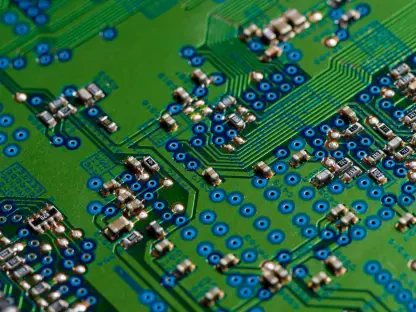
Beyond temperature and vibration, electromagnetic compatibility is a critical factor when SBCs are integrated into industrial cabinets alongside high-voltage motors and switchgear. These environments are prone to massive electrical noise that can disrupt signals or cause logic errors in standard circuitry. Industrial-grade boards are designed with multi-layer PCB layouts and shielding to isolate sensitive data paths from external interference. This level of protection is coupled with hardware-based watchdogs that can automatically reboot the system if the software hangs due to an external disturbance. By hardening the physical and electrical architecture, manufacturers can deploy these units in remote oil fields or high-altitude aerospace applications with confidence. The resulting stability allows operators to focus on high-level data analysis rather than troubleshooting hardware failures. Ultimately, ruggedization serves as the bridge that allows advanced silicon to perform reliably in the most unforgiving physical environments on the planet.
The Future of Integrated Ecosystems
Accelerating Innovation Through Collaboration
The complexity of modern AI and automation is too vast for any single company to tackle alone, leading to the rise of a collaborative technology ecosystem. This network brings together silicon manufacturers, board designers, and software developers to create cohesive, end-to-end solutions. By leveraging pre-existing, proven hardware platforms, engineers can slash their development cycles by several months. This allows teams to shift their focus from reinventing foundational hardware to perfecting the software algorithms and AI models that turn raw data into actionable business insights. Collaborative ecosystems also facilitate better software support, as standard platforms often come with extensive libraries and drivers that are pre-verified for industrial use. This standardization reduces the risk of bugs during integration and speeds up the certification process for regulated industries like medical technology or aviation. When hardware and software are co-designed, the final product is more efficient and easier to maintain throughout its lifecycle.
Distributors play a vital role in this ecosystem by acting as a central hub that connects engineers with the specific resources and components they need. This streamlined access to standardized, high-quality hardware facilitates a smoother transition from the initial design phase to mass deployment. When engineers can rely on a steady supply of compatible parts and comprehensive technical support, they can scale their operations from a single unit to thousands of devices in the field with minimal friction. This support extends beyond shipping components to include design reviews, compliance testing, and lifecycle management services. In an era where product longevity is as important as initial performance, having a partner that can guarantee component availability for five to ten years is invaluable. This collaborative model ensures that even smaller firms can compete with industrial giants by accessing the same high-level technology and expertise. It democratizes innovation, allowing specialized solutions to reach the market faster and with greater reliability.
Prioritizing Reliability: Edge Intelligence
Ultimately, the transformation of industrial computing is characterized by a shift in priorities toward reliability and edge-based intelligence. Moving computation closer to the data source reduces latency, which is a critical requirement for real-time decision-making in AI-driven systems. As SBCs continue to bridge the gap between versatile prototyping and robust production, they are becoming the essential building blocks of a more resilient technological future. By focusing on strategic engineering and collaborative development, the industry is ensuring that advanced automation is both accessible and sustainable. The rise of specialized Neural Processing Units on single-board platforms has further accelerated this trend, allowing for complex computer vision tasks to be performed locally without needing a constant connection to the cloud. This autonomy is vital for applications where connectivity is intermittent or where data privacy is a top priority. As these boards become more powerful, they take on tasks that once required a full-sized industrial PC.
Strategic engineering also involves planning for the long-term maintenance and security of these deployed systems. As edge devices become more prevalent, they become potential targets for cyberattacks, making hardware-rooted security features indispensable. Modern industrial SBCs often include Trusted Platform Modules and secure boot capabilities to ensure that only authorized code runs on the hardware. This proactive approach to security, combined with the ability to push remote updates, allows companies to keep their infrastructure safe from evolving threats. Furthermore, the use of open-standard software stacks ensures that organizations are not locked into a single vendor, providing the flexibility to evolve their systems as new technologies emerge. By prioritizing these factors, the industry is building a foundation that supports continuous improvement rather than static installations. The shift toward intelligent edge devices is not merely a technical upgrade; it is a fundamental change in how industrial processes are managed, monitored, and optimized.
Strategic Implementation: Next Steps for Industry
The transition toward industrial-grade SBCs necessitated a focused approach on durability, supply chain resilience, and collaborative engineering. Organizations that successfully integrated these platforms focused on selecting hardware that offered long-term availability rather than just peak performance. To move forward, it was essential for engineering teams to prioritize edge-native security and thermal management during the initial design phase to prevent costly retrofits later in the lifecycle. Investing in supercapacitor backups and high-grade storage components proved to be a critical step in maintaining data integrity within volatile environments. Furthermore, companies sought out partnerships within the wider technology ecosystem to reduce time-to-market and leverage existing software frameworks. By adopting these strategies, the industry established a more robust framework for automation that minimized downtime and maximized the value of real-time data. These actions paved the way for a more sustainable and intelligent industrial infrastructure capable of adapting to future technological shifts.