
The global protein industry is currently navigating a period of radical transformation as traditional methods collide with the relentless demand for higher efficiency, safety, and transparency. Smart factory environments leverage the intersection of physical automation and digital intelligence to create more sustainable production models. This evolution is particularly visible in the strategic shifts made by industry giants like Fortifi Food Processing Solutions and its subsidiary Frontmatec. As they prepare to showcase advancements at the 2027 International Production & Processing Expo in Atlanta, the emphasis is no longer just on individual machines but on cohesive ecosystems. These systems merge high-tech hardware with sophisticated software to modernize how beef and pork move from the farm to the consumer’s table. By collaborating with specialized partners, these companies are redefining the production floor, turning what was once a labor-intensive manual process into a data-driven operation that prioritizes precision and worker well-being.
Physical Automation Systems
Robotic Precision in Butchery
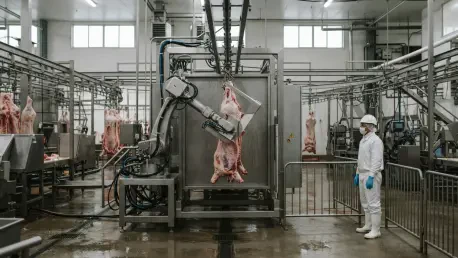
The deployment of specialized robotic hardware represents a fundamental change in how primary processing is handled on the factory floor. Machines like the Pork Robotic Chine Bone Scribe Saw and the Robotic Beef Chine Bone Saw are now essential for facilities aiming to maintain competitive margins in 2026. These robotic systems are designed to execute high-precision cuts that were once the sole domain of highly skilled human butchers. However, unlike human labor, these robots provide a level of tireless consistency that is unaffected by shift length or fatigue. By automating the chine bone sawing process, processors can achieve a more accurate separation of primal cuts, which directly translates to a higher percentage of high-value meat recovered from each carcass. This precision is not merely about speed; it is about the surgical accuracy required to maximize the economic output of every animal. The implementation of such high-tech hardware allows for a measurable return on investment by reducing waste and ensuring that cutting specifications are met with sub-millimeter accuracy.
Safety and Yield Improvements
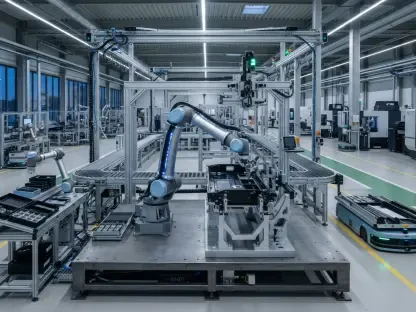
Beyond the financial gains of improved yields, the integration of physical automation serves a critical role in enhancing workplace safety. The meat processing environment has historically been one of the most hazardous industrial settings, characterized by high-speed machinery and the physical strain of manual butchery. Transitioning these high-risk tasks to robotic platforms effectively removes human workers from the most dangerous zones of the production line. Modern robots utilize advanced 3D vision systems and sensors to adapt to the unique geometry of every carcass, ensuring that the machine operates safely and efficiently without human intervention. This reduction in manual labor for repetitive, heavy tasks not only lowers the incidence of workplace injuries but also helps processors manage the persistent labor shortages facing the industry. When workers are moved to roles focused on equipment oversight and quality control, the facility creates a more sustainable labor model. This shift toward mechanical reliability ensures that production quotas are met consistently while fostering a safer, more professional environment for the modern workforce.
Digital Intelligence and Management
Integrated Enterprise Management
The digital infrastructure supporting these physical advancements is centered around comprehensive management software, such as the platforms provided by Kais Software. These specialized ERP systems offer complete, end-to-end visibility throughout the entire production lifecycle, from the arrival of livestock to the final distribution of packaged goods. By integrating directly with the automated hardware on the plant floor, the software captures real-time data regarding yields, weights, and processing times. This connectivity allows management to monitor production efficiency at a granular, lot-level scale, which is vital for maintaining profitability and navigating market volatility. Furthermore, this level of traceability is essential for complying with increasingly stringent global food safety standards and passing complex regulatory audits. When every piece of meat can be traced back to its origin through a digital ledger, the risk associated with product recalls is significantly mitigated. This digital backbone transforms raw data into a strategic asset, enabling food processors to make informed decisions that improve the overall efficiency and reliability of the global supply chain.
Artificial Intelligence for Yield
Building upon the data provided by ERP systems, the introduction of artificial intelligence through partnerships with innovators like Völur represents the next frontier of production intelligence. These AI-driven solutions focus on resource optimization by analyzing vast amounts of production data to make real-time recommendations for carcass breakdown. Instead of relying on static production plans, the AI considers variables such as current market prices, raw material quality, and customer demand to suggest the most profitable cutting strategies. This cognitive layer ensures that the factory operates as an intelligent organism, adjusting its outputs to maximize the value of every pound of protein processed. The ability of machine learning algorithms to process complex datasets far exceeds the capabilities of traditional management techniques, allowing for a more agile response to changing economic conditions. By bridging the gap between factory floor operations and high-level financial planning, AI helps processors reduce waste and optimize their product mix. This synergy between digital intelligence and physical execution is what defines the modern smart factory environment in the current industrial landscape.
Strategic Pathways for Modernization
The evolution toward fully integrated production environments demonstrates a clear path forward for the global meat industry as it moves through the middle of the decade. Leaders in the sector recognize that surviving in an increasingly competitive market requires a holistic approach that combines robotics with predictive analytics. This transition allows companies to overcome chronic labor shortages while simultaneously increasing the transparency required by modern consumers and regulatory bodies. Decision-makers are encouraged to prioritize the adoption of interoperable systems that can scale alongside their operations, ensuring that technological investments remain relevant as new innovations emerge. Moving forward, the industry has found that the key to resilience lies in the ability to turn raw production data into actionable strategic insights. By fostering partnerships between hardware manufacturers and software developers, processors create a more sustainable and profitable model that benefits the entire food supply chain. This strategic alignment ultimately shifts the focus from mere volume to high-value, data-backed production that meets the global demand for safe protein products.