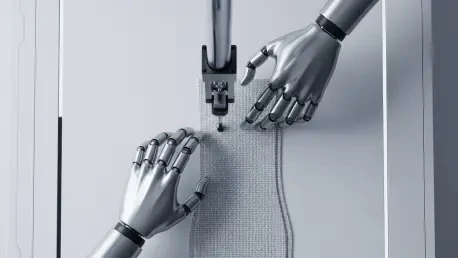

Modern textile factories are witnessing a seismic shift as robotic systems finally overcome the historical hurdle of manipulating soft, unpredictable fabrics that once required the delicate touch of human fingers. For generations, the garment industry remained tethered to the traditional needle-and-thread method because mechanical grippers struggled with materials that stretch, fold, and collapse under their own weight. Unlike the rigid steel or plastic components found in automotive assembly lines, textiles are “deformable,” a term that signifies a profound challenge for standard programming. However, the emergence of Physical AI—a specialized branch of artificial intelligence designed to interact with the physical world—has introduced a level of material awareness previously thought impossible. These systems are no longer merely following a set path; they are perceiving the physics of the cloth in real-time. This leap in capability allows machines to adjust their grip and tension based on the specific weave or weight of a fabric, effectively bridging the gap between cold mechanical repetition and the nuanced dexterity of a skilled tailor.
Evolution of Fabric Manipulation: Advanced Robotics in Action
A pivotal advancement in this technological evolution involves the abandonment of conventional sewing in favor of digitally bonded construction. By utilizing specialized adhesives and heat-based fusion, robotic systems can join fabric pieces with a level of consistency that manual sewing struggles to replicate across large production runs. This shift is not merely about changing the fastening method; it is about redesigning the garment assembly process to suit the inherent strengths of automated precision. Traditional sewing machines require high-speed synchronization between a needle and a moving fabric, a process that is notoriously difficult for robots to manage with thin or elastic materials. In contrast, bonding allows for a “pick-and-place” workflow where robots align parts with sub-millimeter accuracy before applying controlled thermal energy. This method eliminates the mechanical stress points often caused by needles, resulting in cleaner seams and more durable garments that meet the rigorous standards of modern apparel performance.
The effectiveness of these modern systems is largely rooted in the industry’s decision to prioritize narrow AI over general-purpose humanoid robotics. While the broader tech world often fixates on creating machines that can navigate a kitchen or fold laundry in an unpredictable home environment, textile manufacturers have found greater success with specialized models. These AI agents are trained exclusively on material science and fabric behavior, allowing them to become “experts” in the specific physics of knits, weaves, and non-woven textiles. By focusing on a constrained set of physical challenges, developers have created more reliable and profitable systems that can be deployed immediately on the factory floor. This specialized approach ensures that the AI does not become overwhelmed by irrelevant environmental data, instead dedicating all processing power to the critical tasks of edge detection, tension management, and alignment. This pragmatic strategy has allowed the industry to move past experimental prototypes and toward fully integrated, autonomous production lines.
Technical Implementation: Sensory Feedback Systems
Training these advanced systems requires a sophisticated integration of human expertise and high-fidelity data collection. Through a technique known as teleoperation, experienced manufacturing workers perform complex tasks while wearing sensor-laden gloves and using haptic interfaces. This process allows the AI to record not just the visual aspect of the work, but the subtle pressures and micro-adjustments that a human makes when handling a delicate silk or a heavy denim. By capturing thousands of hours of this “physical knowledge,” the AI builds a comprehensive library of tactile responses. Eventually, the machine learns to predict how a fabric will react before it even makes contact, allowing it to maintain the correct tension without the need for constant human intervention. This data-driven approach transforms the artisanal skills of a seamstress into a digital asset that can be scaled across hundreds of machines, ensuring that the final product maintains the quality and feel of a handcrafted item while benefiting from industrial speed.
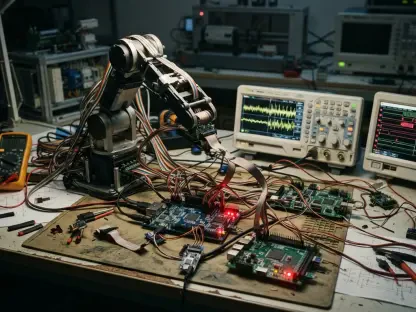
Beyond the initial training phase, these machines utilize continuous learning loops to refine their performance with every garment produced. As the AI encounters variations in fabric batches—such as a slight change in humidity affecting the drape or a minor difference in fiber elasticity—it adjusts its parameters autonomously. This level of adaptability is what distinguishes Physical AI from the rigid automation of the past. Traditional robots would often fail or jam if the material did not behave exactly as programmed, but contemporary systems perceive these deviations as data points to be analyzed. By processing feedback from high-speed cameras and tactile sensors, the machine can correct its trajectory mid-motion to prevent wrinkles or misalignment. This real-time problem-solving capability reduces waste significantly, as the system can identify and fix errors that would have previously resulted in a scrapped garment. Consequently, the manufacturing environment becomes a dynamic ecosystem where hardware and software evolve together to reach peak efficiency.
Economic Implications: Global Supply Chains and Reshoring
The rise of Physical AI is a cornerstone of the broader movement to reshore manufacturing to domestic markets, particularly within the United States. Historically, the high cost of manual labor forced brands to outsource production to distant regions, leading to long lead times and fragile supply chains. By automating the most labor-intensive parts of garment assembly, companies can now justify the cost of building state-of-the-art facilities closer to their primary customer base. This shift provides a vital buffer against global disruptions, such as shipping delays or geopolitical instability, that have frequently plagued the industry in recent years. Furthermore, domestic production allows for a “just-in-time” manufacturing model, where brands can produce smaller batches based on actual consumer demand rather than speculative forecasts. This reduction in overproduction not only improves profitability but also addresses the significant environmental concerns associated with the traditional fashion industry, as fewer unsold goods end up in landfills.
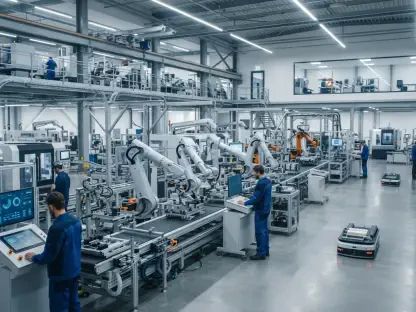
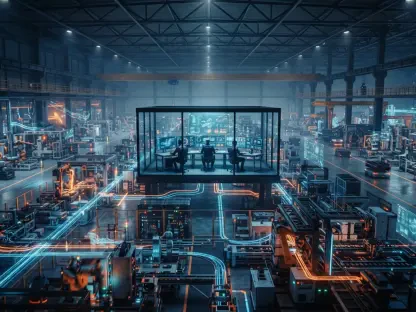
As these autonomous systems take over repetitive and physically grueling tasks, the role of the manufacturing professional is undergoing a profound transformation. The job description is shifting from manual assembly to technical oversight, where a single worker might manage a fleet of robots from a centralized control station. This transition requires a new set of skills, blending traditional garment construction knowledge with digital literacy and systems management. Instead of spending hours performing repetitive stitches, employees are now tasked with supervising AI performance, troubleshooting software anomalies, and optimizing production workflows. This evolution not only increases individual productivity but also elevates the status of manufacturing careers, attracting a new generation of talent interested in high-tech industrial applications. By removing the physical strain of the assembly line, factories can foster a safer and more inclusive environment while simultaneously achieving a level of output that was once impossible with a purely human workforce.
Strategic Integration: Modern Manufacturing Facilities
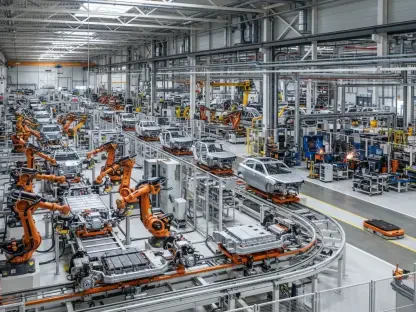
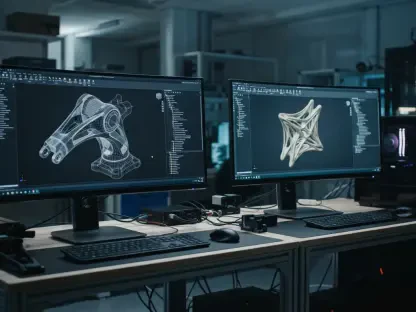
For manufacturers seeking to integrate these technologies, the transition usually begins with the implementation of digital twins and simulation software. These tools allow factory owners to create a virtual replica of their production environment, where they can test different machine configurations and AI models before purchasing any physical hardware. By running thousands of simulations, businesses can identify potential bottlenecks and optimize the layout of their facility for maximum throughput. This digital-first approach significantly lowers the barrier to entry and reduces the financial risk associated with adopting new technology. Moreover, it allows for a seamless integration of Physical AI into existing workflows, as the software can be fine-tuned to work alongside legacy equipment where necessary. By focusing on high-variability tasks first—those that currently require the most manual intervention—companies can achieve a faster return on investment and build the foundation for a fully autonomous, data-driven manufacturing future.
The integration of Physical AI successfully addressed the long-standing obstacles that prevented the textile industry from achieving full automation. By moving away from rigid programming and embracing material-aware intelligence, manufacturers developed a system that was both flexible and highly efficient. Businesses that invested early in these technologies gained a decisive competitive advantage, as they were able to pivot quickly to meet changing market demands while maintaining domestic production standards. The shift towards specialized AI models and digital bonding demonstrated that the future of garment making lay in the synergy between human creativity and robotic precision. To remain relevant, stakeholders identified the need to prioritize digital infrastructure and workforce retraining. These strategic choices solidified a more resilient industrial base, proving that the marriage of physical physics and digital intelligence could revitalize an entire sector. This progress established a clear blueprint for other industries to follow in the years between 2026 and 2030.