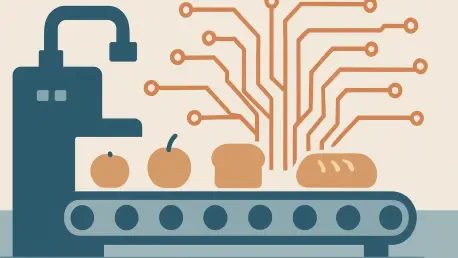

Automating the flow of information removes the inherent risks of human error associated with manual data entry and paper-based instruction sets in the food industry. This transition is no longer a luxury but a fundamental requirement for facilities managing complex global supply chains in 2026. By integrating Manufacturing Execution Systems (MES) with Enterprise Resource Planning (ERP) platforms, companies establish a seamless digital bridge that connects the shop floor directly to the executive suite. While the ERP handles long-term strategic functions like procurement, the MES focuses on the granular details of production cycles. This synchronization effectively dismantles the operational silos that have historically plagued large-scale food processors. When an order enters the corporate system, instructions are transmitted in real-time to robotic cells, ensuring the physical output matches the business demand without miscommunications or manual interference.
Optimizing Production Through Strategic Implementation
Successful integration requires a methodical approach that prioritizes physical reliability before layering on digital complexity. Industry leaders emphasize that the process should begin with the validation of high-speed packing and palletizing machinery to ensure hardware is fully operational. This hardware-first approach confirms that mechanical systems meet throughput targets before software triggers are introduced. By confirming that conveyors, sensors, and robotic arms function correctly in isolation, engineers can establish a baseline of physical stability. This foundational step prevents the common pitfall of trying to troubleshoot software glitches while simultaneously dealing with mechanical misalignment. As production speeds increase, having a validated physical environment allows for a smoother transition to the automated data exchange layer, providing a reliable platform for the digital twin to mirror the actual production environment effectively.
Harmonizing Hardware and Digital Workflows
A critical component involves delaying final ERP and MES coding until the boxes are physically moving through the production line. Many manufacturers make the mistake of developing software architectures based on theoretical models rather than observed physical behavior. When developers write code in real-time as machinery operates, they can account for specific nuances, such as subtle variations in product weight or packaging friction. This practice reduces technical friction and ensures that the digital infrastructure accurately reflects the realities of the facility. Furthermore, this iterative coding process allows for immediate adjustments to be made to the logic governing robotic systems. By aligning digital instructions with the actual speed of equipment, processors can eliminate bottlenecks that often arise from discrepancies between simulated designs and real-world execution, ensuring a high degree of operational harmony across the factory.
Scaling Operations With Specialized Middleware
Scalability is a primary concern for food processors moving from manual processes to multi-line automated systems. The implementation of specialized middleware acts as a translator between different software platforms, allowing diverse systems to communicate without constant reconfiguration. This flexible architecture enables manufacturers to add new production lines or upgrade existing equipment without disrupting the established data flow. Middleware acts as a buffer that can handle various communication protocols, ensuring that a legacy labeling machine can still talk to a modern cloud-based planning system. By utilizing this interoperable layer, companies avoid the costs associated with custom coding for every individual integration. This strategic use of software ensures that the digital backbone remains resilient as the company grows its physical footprint, providing a consistent and reliable link between business goals and shop-floor activities.
Data-Driven Insights and Operational Precision
The transition to a smart factory is fueled by standardized connectivity tools that extract granular data from every piece of equipment on the floor. Protocols like OPC-UA and RJ45 Ethernet allow for the harvesting of real-time insights from checkweighers and case-packing robots. This visibility enables plant managers to move beyond reactive maintenance toward a model of predictive optimization. For instance, data from high-speed checkweighers provides immediate feedback on rejection rates, signaling fill issues before they become critical. By analyzing these metrics as they happen, operators can fine-tune machinery settings without stopping the line. This level of connectivity transforms the production floor into a living laboratory where every cycle provides insights into efficiency. The integration of these protocols ensures that information is not just collected but is immediately actionable for the production team to improve overall equipment effectiveness.
Capturing Real-Time Metrics for Smart Factories
Beyond production figures, modern integrated systems track sustainability metrics like energy consumption and air usage. This capability is vital as food manufacturers align operations with environmental and corporate governance objectives in 2026. By monitoring the power draw of individual robotic cells or the compressed air requirements of pneumatic systems, plant managers can identify areas of waste. These insights enable the optimization of production schedules to coincide with lower energy costs or to reduce the carbon footprint of specific lines. Integrating these environmental metrics into the ERP allows for more accurate cost-to-produce calculations. This holistic view ensures that quality and profitability are balanced with sustainability. Demonstrating a reduced environmental impact through hard data also enhances brand reputation in a market where consumers prioritize ethical production and transparency in the food supply chain.
Enhancing Food Safety and Batch Traceability
Successful food manufacturers recognized that the convergence of operational and business data was the only viable path to long-term resilience. They moved beyond siloed systems and embraced a unified digital architecture that provided total visibility from the warehouse to the consumer. By prioritizing physical hardware stability before digital integration, these companies avoided common implementation hurdles and secured a faster return on investment. The transition focused on actionable steps, such as adopting standardized protocols and investing in middleware that supported future growth. Leaders utilized these real-time insights to refine sustainability goals and enhance traceability. This proactive approach allowed firms to address bottlenecks before they impacted the bottom line. Ultimately, the integration of MES and ERP systems transformed the industry into an agile sector, setting a new standard for how modern food production was executed and managed.