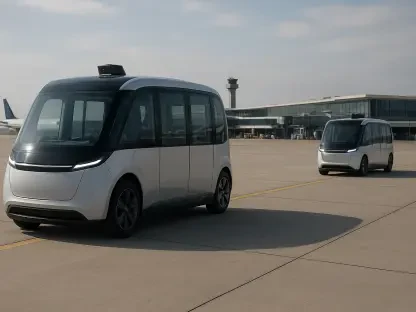

The automotive sector is currently navigating an unprecedented transformation as the global fleet of connected vehicles reaches a staggering five hundred and eighty million units, effectively turning traditional cars into sophisticated mobile data centers. This massive shift represents more than just a technological upgrade; it signals a fundamental restructuring of how mobility is perceived, sold, and maintained across the globe. As these vehicles beam continuous streams of telemetry, sensor, and behavioral data to the cloud, the traditional boundaries between hardware manufacturers and software service providers are rapidly dissolving. The sheer volume of information being generated allows for a level of personalization and operational efficiency that was previously confined to the realm of high-end consumer electronics. This evolution forces every stakeholder in the ecosystem, from Tier 1 suppliers to insurance providers, to rethink their core value propositions in a world where software updates carry more weight than physical components and traditional mechanical maintenance.
Evolution of Revenue Models: From Hardware to Subscriptions
The transition toward software-defined vehicles has fundamentally altered the financial landscape of the automotive industry by moving away from one-time transactional sales toward recurring revenue streams. Automotive manufacturers are now prioritizing the development of robust operating systems that can support third-party applications and proprietary digital services long after the vehicle has left the dealership lot. This approach allows companies to offer features-on-demand, such as enhanced navigation systems, heated seating, or performance boosts, which consumers can activate via a digital storefront. By treating the vehicle as an evolving platform, brands maintain a direct relationship with the driver throughout the entire lifespan of the car. This shift reduces the dependency on cyclical hardware sales and creates a more resilient economic model that thrives on continuous digital engagement. Furthermore, it enables automakers to gather real-time feedback on feature usage, allowing for data-driven refinements that ensure services remain competitive and highly relevant in a crowded marketplace.
Beyond direct consumer subscriptions, the aggregation of data from hundreds of millions of connected nodes offers significant opportunities for secondary markets and specialized industries. Insurance companies are increasingly utilizing granular driving data to offer usage-based policies that reward safe behavior, while urban planners leverage traffic flow telemetry to optimize city infrastructure. The ability to monitor vehicle health remotely also transforms the used car market, as prospective buyers can now access verified digital histories that provide a transparent view of a vehicle’s actual wear and tear. This level of transparency builds trust and stabilizes resale values by replacing guesswork with empirical data points. However, the management of this vast data lake requires sophisticated cybersecurity measures and strict adherence to privacy regulations. Companies that successfully balance data utility with consumer protection will likely emerge as the leaders in this new era, establishing themselves as trusted custodians of the digital experience rather than just simple equipment manufacturers.
Strategic Pathways for Industry Stakeholders: Key Takeaways
Stakeholders in the mobility sector recognized that surviving the shift to a connected fleet required immediate investment in cloud computing and advanced data analytics capabilities. It was determined that organizations which prioritized open-source collaboration and standardized communication protocols were the most successful in scaling their digital offerings. To maintain a competitive edge, companies shifted their focus toward building secure, modular software architectures that could be easily updated to incorporate new artificial intelligence models. It became clear that the integration of cybersecurity into the initial design phase was non-negotiable for protecting consumer privacy and ensuring operational safety. Leaders in the field also identified the need to foster partnerships between traditional automakers and tech startups to accelerate the development of user-centric applications. By adopting a “software-first” mentality, businesses effectively mitigated the risks of hardware obsolescence and positioned themselves to capture new value in the burgeoning data economy.
Decision-makers also discovered that the transition required a cultural shift within their engineering departments to embrace agile development cycles over traditional multi-year product timelines. This cultural evolution enabled teams to respond rapidly to changing consumer preferences and emerging security threats, ensuring that the fleet remained both relevant and protected. Organizations that successfully retooled their workforce to include data scientists and cloud architects found themselves better equipped to handle the complexities of the digital-first market. It was also noted that fostering an ecosystem of transparency regarding data usage was essential for maintaining the public trust necessary for widespread technology adoption. By focusing on these core areas, the industry established a foundation for sustainable growth and innovation that moved beyond simple connectivity toward a fully integrated digital mobility experience. These historical insights provided the necessary framework for navigating the subsequent phases of the technological revolution and highlighted the importance of adaptability in a fast-paced global economy.