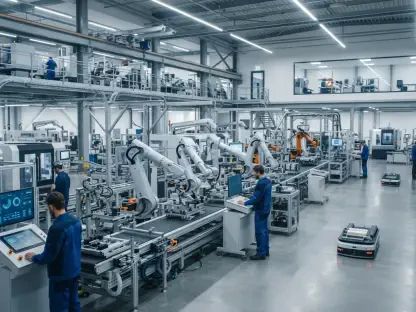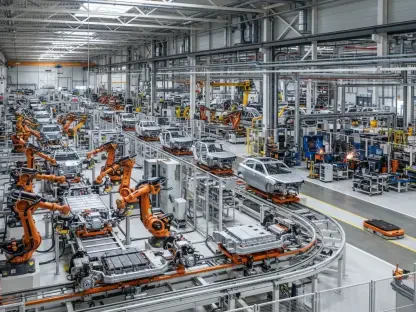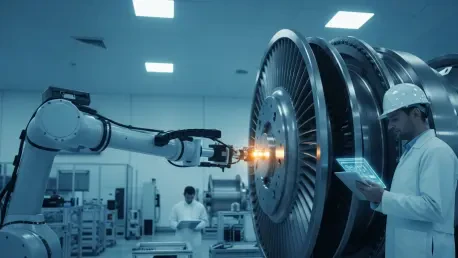

The cost of unexpected mechanical failure in heavy manufacturing environments often exceeds the price of the replacement parts by a factor of ten when factoring in lost productivity and labor. In the current landscape of 2026, facilities are moving away from traditional scheduled checks that often overlook internal microscopic degradation in favor of more sophisticated solutions. Myrex IRIS represents a pivotal shift in this sector by providing a comprehensive vision into the health of critical infrastructure without requiring a complete shutdown for manual inspection. This technological leap addresses the persistent challenge of maintaining aging machinery while simultaneously pushing the boundaries of what is possible with new, high-performance equipment. By utilizing advanced imaging and diagnostic tools, the system allows plant managers to identify potential issues before they manifest as catastrophic failures. This ensures that maintenance is a strategic advantage for any modern enterprise.
Enhancing Operational Efficiency and Safety Standards
Continuous Monitoring and Data Analysis
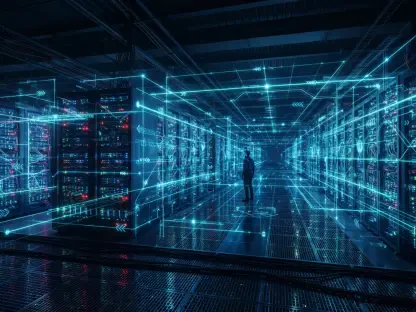
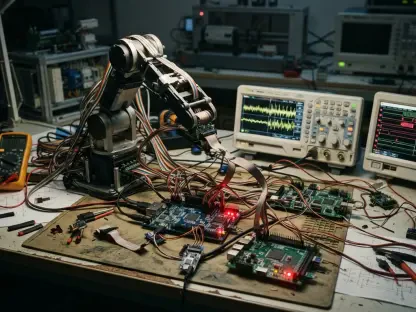
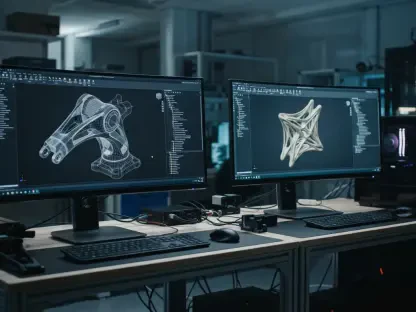
The deployment of Myrex IRIS facilitates a level of granularity in data collection that was previously unattainable for most mid-sized industrial operations. By embedding sophisticated optical and thermal sensors directly into the production workflow, the system creates a digital twin of mechanical processes as they occur in real time. This constant stream of information allows for the detection of subtle thermal anomalies or vibration patterns that indicate early-stage wear on bearings or gears. Instead of relying on a technician’s intuition or a rigid calendar-based schedule, teams now base their interventions on the actual physical condition of the hardware. This shift reduces the frequency of unnecessary teardowns, which can often introduce new faults through human error or reassembly issues. Furthermore, the ability to correlate this data with historical performance metrics provides a baseline that makes future predictions significantly more accurate for all users.
Dynamic Asset Load Optimization
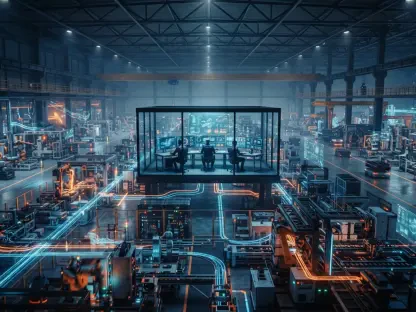
Beyond simple detection, the analytical capabilities of the IRIS platform enable engineers to optimize the duty cycles of high-stress machinery based on real-time feedback. When a specific component shows signs of elevated stress during peak production hours, the system can recommend adjustments to load distribution to extend the life of that part until a planned maintenance window. This dynamic approach to asset management ensures that production targets are met without compromising the long-term integrity of the equipment. Moreover, the integration of cloud-based reporting ensures that decision-makers have access to these insights from anywhere, fostering a more collaborative environment between local operators and corporate reliability experts. As the software continues to evolve through 2027, the machine learning algorithms will become even more adept at distinguishing between normal operational variances and genuine threats to the hardware, allowing for more precise resource use.
Implementation and Strategic Outcomes
To achieve optimal results, industrial leaders moved toward a phased implementation strategy, starting with the most critical bottlenecks in their production lines. They ensured that their existing IT infrastructure handled the increased data throughput and provided comprehensive training for their maintenance teams to interpret the new streams of information. Investing in this technology required a cultural shift toward data-driven decision-making, where every alert was treated as a valuable insight rather than a nuisance. By aligning mechanical maintenance with digital diagnostic tools, these companies secured their operational status and set a new benchmark for excellence. Moving forward, the focus shifted toward expanding these capabilities to include autonomous repair modules and deeper integration with supply chain management systems to automate the ordering of parts based on predicted failure timelines. This specific approach ensured that the facility remained competitive.