
The global manufacturing landscape is currently undergoing a radical metamorphosis as advanced automation transitions from a luxury of the elite to the indispensable cornerstone of electronics production worldwide. This tectonic shift is encapsulated by the projected expansion of the electronics and semiconductor assembly robotics market, which is expected to climb from a valuation of $6.6 billion to a staggering $17.1 billion by 2036. Such growth, representing a compound annual growth rate of 10.0% between 2026 and 2036, highlights a departure from traditional manual assembly lines toward capital-intensive robotic systems capable of sub-millimeter precision. These smart factories are no longer hypothetical models but are actively operating across global hubs, utilizing high-speed connectivity and autonomous machinery to keep pace with an insatiable consumer appetite for smaller, faster, and more complex electronic devices. As manual labor costs rise and the physical limits of human dexterity are reached, the industry is pivoting toward an ecosystem where robotic reliability and repeatable accuracy dictate the success of manufacturing ventures. This evolution marks the beginning of an era where hardware and software synergy defines the speed of innovation, pushing fabrication facilities to rethink their entire operational structures to remain competitive in a hardware-driven global economy.
Market Momentum: The Economic Drivers of Automation
The surge in market valuation is primarily underpinned by a massive investment in specialized hardware, which currently constitutes approximately 66% of the total market share for electronics assembly robotics. Manufacturers are increasingly prioritizing physical reliability and the acquisition of high-precision robotic arms, advanced sensors, and specialized vision cameras that can withstand the rigors of high-volume production. This preference for robust physical components is complemented by a strategic shift in procurement methods, with the majority of transactions occurring through direct original equipment manufacturer channels. By bypassing third-party distributors, electronics producers ensure they receive bespoke automation solutions tailored to the unique spatial and technical requirements of their specific assembly lines. This direct relationship allows for a more integrated approach to machine design, where hardware is built to accommodate specific circuit board layouts or delicate semiconductor packaging processes. As companies commit billions to these upgrades, the focus remains on long-term operational stability and the reduction of mechanical failure points that could lead to costly production halts.
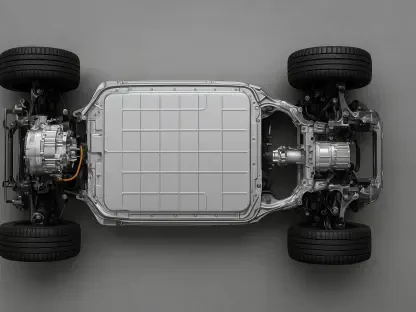
External catalysts, most notably the semiconductor boom and the proliferation of sophisticated electric vehicles, are acting as powerful engines for this continued market expansion. The transition toward electric mobility has fundamentally altered the automotive sector, transforming vehicles into high-powered computers on wheels that require a vast array of electronic control units and sensor modules. This shift has created a massive new vertical for assembly robotics, as the volume and complexity of automotive electronics now rival those of the consumer electronics sector. Simultaneously, the mainstream integration of artificial intelligence has sparked an unprecedented demand for advanced AI chips, which require manufacturing precision that simply cannot be achieved by human operators. The need to assemble these intricate components at scale has forced manufacturers to adopt automated systems that offer the speed and micron-level accuracy necessary for modern chiplet and substrate packaging. This convergence of automotive and computing demands ensures that the robotics market will maintain its upward trajectory, as these industries depend entirely on automated precision to meet their performance targets.
Technological Pillars: Precision at the Microscopic Level
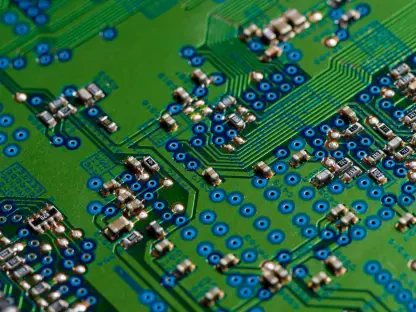
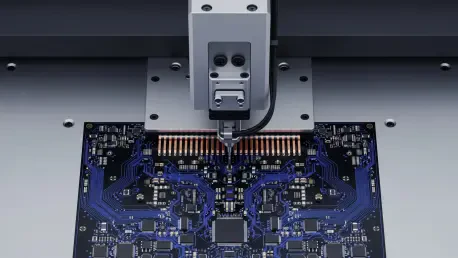
Surface mount technology placement systems have emerged as the dominant equipment type in this sector, currently commanding nearly 40% of the assembly robotics market. These systems are the vital workhorses of modern electronics production, responsible for the high-speed placement of microscopic components onto printed circuit boards with a level of accuracy that defies human visual perception. In an era where smartphones and wearable devices are shrinking in size while increasing in functionality, the density of components on a single board has reached a point where manual assembly is physically impossible. Robotic placement systems utilize advanced nozzle technology and rapid-fire motion control to position thousands of parts per hour, ensuring that electrical connections are perfectly aligned to prevent short circuits or signal degradation. This reliance on robotic speed and accuracy is not merely an efficiency choice but an economic necessity, as the high yields required for profitable mass production can only be maintained through the elimination of human error and the standardization of every mechanical movement.
Beyond the mechanical act of assembly, the integration of intelligent vision systems and digital twin technology is redefining how quality control is managed on the factory floor. Modern robotic units are no longer confined to pre-programmed, repetitive paths; instead, they utilize sophisticated AI algorithms to process real-time visual data, allowing them to inspect components for defects during the assembly process. This proactive approach to quality assurance enables the system to identify and reject faulty parts before they are integrated into a final product, significantly reducing waste and improving overall equipment effectiveness. Furthermore, the use of digital twins allows manufacturers to create a virtual mirror of their entire assembly line, simulating different production scenarios and stress tests before implementing them in the physical world. By connecting these virtual models to real-time Internet of Things sensors, factory managers can predict maintenance needs and optimize workflow patterns with surgical precision. This synergy between the digital and physical realms ensures that robotic systems are not just faster, but also significantly smarter and more adaptable to changing production demands.
Regional Dynamics: Supply Chain Resiliency and Barriers
While East Asia continues to serve as the global epicenter for electronics manufacturing, a significant shift in geographic distribution is occurring as North America and Western Europe pursue aggressive reshoring initiatives. Governments in these regions are providing substantial incentives and subsidies to establish domestic semiconductor and electronics fabrication facilities, aiming to create more resilient supply chains that are less vulnerable to geopolitical disruptions. This trend toward localized manufacturing is driving a surge in the adoption of smart factory technologies, as companies in higher-cost labor markets must rely heavily on automation to remain price-competitive with established Asian hubs. Meanwhile, emerging economies in Southeast Asia are positioning themselves as secondary manufacturing centers, attracting investment from firms looking to diversify their production footprints. This global redistribution of manufacturing capacity is accelerating the democratization of robotics technology, as new facilities are built from the ground up with the latest automated systems integrated into their core designs, rather than being retrofitted into legacy structures.
Despite the clear benefits of robotic integration, the industry must navigate substantial hurdles, most notably the high initial capital expenditure required to transition to fully automated systems. For many small and medium-sized enterprises, the cost of acquiring high-precision robotics and the associated software infrastructure can be a prohibitive barrier to entry. Furthermore, the rapid pace of technological innovation creates a constant risk of equipment obsolescence, where a system purchased today may be surpassed by more efficient technology within a few years. This financial pressure is compounded by a persistent global shortage of skilled professionals who possess the expertise to program, operate, and maintain these complex robotic ecosystems. The “skills gap” remains a significant bottleneck, as the demand for robotics engineers and data analysts far outstrips the current supply of qualified workers. To overcome these challenges, companies are forced to balance the urgent need for automation with the financial risks and the long-term requirement for human talent capable of overseeing an increasingly autonomous workforce.
Competitive Strategy: The Integration of Collaborative Systems
The competitive landscape of the electronics assembly sector is currently led by industrial powerhouses like ABB, FANUC, and Yaskawa, who are focusing their research and development efforts on energy efficiency and collaborative functionality. The rise of collaborative robots, or “cobots,” represents a significant shift in how automation is deployed, as these machines are designed to work safely alongside human operators without the need for traditional safety cages. In electronics assembly, cobots are increasingly used for tasks that require a blend of robotic precision and human problem-solving, such as final product testing or complex cable routing. By prioritizing energy-efficient motors and modular designs, these industry leaders are helping manufacturers reduce their carbon footprints and operational costs while increasing the flexibility of their assembly lines. The ability to quickly reconfigure a robotic cell for a different product line has become a critical competitive advantage, allowing firms to respond to shifting market trends with unprecedented speed. This focus on adaptability ensures that robotics will remain a dynamic force in manufacturing, evolving alongside the products they are built to create.
To succeed in this high-stakes environment, leadership teams prioritized a phased approach to automation that favored modular robotic cells over rigid, single-purpose assembly lines. They recognized that the rapid pace of component miniaturization required systems capable of quick reconfiguration to protect against capital obsolescence. Furthermore, the decision to invest in comprehensive internal training programs proved vital as firms sought to bridge the technical gap between traditional hardware maintenance and sophisticated software engineering. By fostering a culture of continuous learning and adopting flexible financial models like Robotics-as-a-Service, organizations mitigated the risks associated with high upfront costs. Strategic partnerships with academic institutions helped stabilize the talent pipeline, ensuring that the next generation of engineers was prepared for the demands of a fully digitized floor. Ultimately, those who treated robotic integration as a holistic organizational shift rather than a simple equipment upgrade managed to secure their place in a global market where precision and adaptability became the primary currencies of success. Manufacturers who acted decisively to integrate these systems found themselves better positioned to handle the complexities of modern electronic fabrication while maintaining the agility required for the next decade of industrial growth.