
The global automotive industry is currently navigating a period of unprecedented transformation, where traditional manufacturing powerhouses are recalibrating their entire operational footprints to accommodate a rapidly electrifying market. As consumer preferences shift away from internal combustion engines toward sustainable mobility, Mercedes-Benz has made a decisive move by positioning its facility in Kecskemét, Hungary, at the very heart of its electric vehicle production strategy. This expansion is not merely an incremental upgrade but a fundamental restructuring of how the brand builds its most critical models, signaling a departure from the historical reliance on domestic German plants for high-volume luxury sedans. By integrating advanced automation and flexible manufacturing processes, the company has effectively turned a regional assembly site into a sophisticated hub capable of supporting the brand’s most ambitious technological milestones. The sheer scale of this investment suggests that the geopolitical and economic center of European car production is drifting eastward.
Transformation of Manufacturing Infrastructure
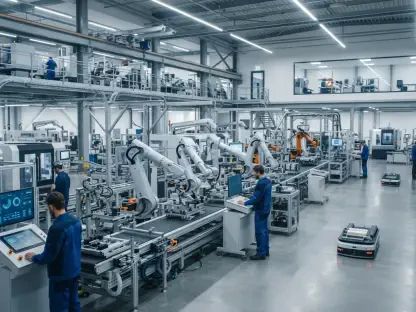
The investment in Hungary represents a broader trend of decentralized manufacturing where technical excellence is no longer confined to traditional industrial heartlands. For Mercedes-Benz, the decision to pour billions of euros into the Kecskemét facility was driven by a need for a production environment that could be built from the ground up with digitalization in mind. Unlike older factories that require complex retrofitting, this expanded site was designed to integrate smart logistics and flexible assembly from the very first brick. This strategic foresight allowed the company to bypass many of the legacy issues that often slow down the transition to electric vehicle production. Furthermore, the Hungarian site’s proximity to key European markets and its established network of parts suppliers provided a competitive advantage that was too significant to ignore. By creating a template for a modern, high-tech factory in Central Europe, the brand has set a new standard for how luxury automakers must evolve to remain profitable in a low-emission economy.
Expanding Capacity: A New Industrial Scale
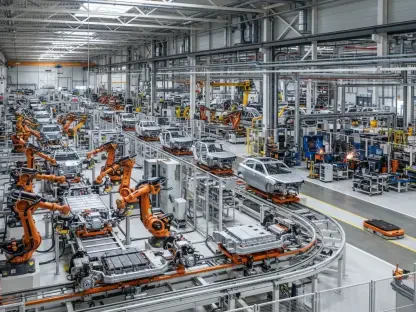
The physical transformation of the Kecskemét site serves as a concrete manifestation of the brand’s commitment to a carbon-neutral future. By more than doubling its area from 200 to 440 hectares, the facility has secured its position as the largest Mercedes-Benz production plant on the European continent. This massive expansion involved the construction of entirely new halls dedicated to bodywork and final assembly, ensuring that the infrastructure can support the complex requirements of next-generation electric vehicle architectures. A state-of-the-art paint shop was also integrated to enhance efficiency and reduce the environmental impact of the coating process, while a specialized battery assembly unit was established to streamline the production of high-voltage energy storage systems. This holistic approach ensures that the plant is not just assembling parts but is actively participating in the creation of the most critical components of the electric drivetrain, thereby reducing dependencies and improving overall build quality across the entire model lineup.
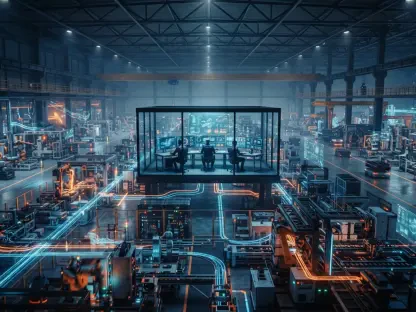
Efficiency within this expanded footprint is driven by a “dual approach” to production lines, which allows for the simultaneous manufacturing of traditional gas-powered vehicles and modern electric models on the same tracks. This flexibility is vital in a market where demand can fluctuate unexpectedly, providing the factory with the agility to pivot its output based on real-time data and consumer trends. While older sections of the plant continue to refine the assembly of classic luxury cars, the newly inaugurated zones are reserved exclusively for the most advanced battery-electric vehicles in the portfolio. This architectural setup minimizes the downtime typically associated with retooling for new models, as the digital twin of the factory allows engineers to simulate production flows before a single vehicle hits the line. By merging physical expansion with digital foresight, the Kecskemét site has become a model for modern industrial resilience, proving that large-scale manufacturing can be both massive in volume and remarkably precise in execution.
Launching High-Voltage: Core Models and Specialized Variants
The introduction of the all-electric C-Class sedan represents a significant milestone for the Hungarian facility, as it marks the first time a core volume segment model is being manufactured at this location. This vehicle is built upon the highly sophisticated MB.EA-M platform, which was specifically engineered to maximize the benefits of an electric powertrain without the compromises of a converted internal combustion chassis. The platform utilizes an 800-volt electrical architecture, a feature that was once reserved for high-end sports cars but is now being democratized within the brand’s main lineup to provide ultra-fast charging capabilities. For drivers, this translates to significantly reduced wait times at charging stations and a level of energy efficiency that pushes the range of the sedan well beyond the 470-mile mark. The decision to anchor such a pivotal model in Hungary highlights the confidence the automaker has in the local workforce’s ability to handle the complexities of high-voltage systems and precision-engineered software integration.
Furthermore, the production of high-performance AMG variants alongside the standard electric C-Class signals a shift toward higher-margin, premium manufacturing for the site. Handling the AMG line requires a higher degree of technical expertise, as these vehicles demand specialized assembly for their more powerful motors and unique suspension setups. By integrating these performance-oriented models into the Kecskemét workflow, the brand is effectively elevating the status of the plant from a high-volume assembly center to a specialized hub for luxury engineering. This transition is supported by the onsite battery assembly unit, which provides the specific energy densities required for the high-power demands of an AMG-tuned electric vehicle. As the facility masters these more demanding production cycles, it solidifies its role as a key contributor to the company’s financial health, proving that the move toward electrification is not just about environmental targets but also about maintaining a competitive edge in the high-performance luxury market.
Strategic Resilience: Diversifying the Product Lineup
The growth of the Hungarian manufacturing base indicated a fundamental shift in how the brand distributed its production capacity across the European continent to maintain a competitive edge. Industry analysts noted that the plant’s output reached a point where it could potentially double its previous annual units, significantly increasing Hungary’s share of the company’s total regional production. This shift allowed for a more balanced manufacturing network, where the Kecskemét site acted as a high-volume anchor, while other traditional plants focused on specialized, low-volume craftsmanship. This distribution of labor was essential for managing the high costs associated with the transition to electric powertrains, as it permitted the company to leverage more efficient production environments. The move also served as a hedge against regional economic fluctuations, providing a more stable and diverse manufacturing footprint that could better withstand global supply chain pressures. This strategic repositioning was a key factor in the brand’s ability to maintain its market leadership.
Iconic Nameplates: From Sedans to Off-Road Legends
The plant’s portfolio is expanding beyond traditional sedans to include one of the most anticipated models in the brand’s modern history: the “Little G.” This compact version of the legendary G-Class SUV represents a bold step in diversifying the factory’s output, bringing a prestigious and highly recognizable nameplate to the Hungarian production lines. Built on the Mercedes Modular Architecture (MMA) platform, the compact SUV leverages the same technological advancements as its larger siblings while offering a more accessible entry point for luxury off-road enthusiasts. The decision to make Kecskemét the exclusive production site for this model underscores the strategic importance of the facility in the brand’s global hierarchy. It demonstrates that the factory has the technical capability to handle the rugged requirements of an SUV alongside the refined aerodynamics of a luxury sedan, showcasing a level of versatility that is rare in the automotive industry. This diversification helps the brand capture multiple market segments from a single centralized location.
Integrating the “Little G” into the existing production ecosystem also highlights the effectiveness of the MMA platform, which was designed to prioritize an “electric-first” philosophy while maintaining compatibility with diverse body styles. This architectural flexibility allows the plant to scale production of electric SUVs quickly in response to the growing global demand for high-riding, versatile vehicles. By manufacturing such a high-profile model in Hungary, the brand is also capitalizing on a localized supply chain that has grown increasingly robust over the last few years. This synergy between a versatile platform and a mature local infrastructure ensures that the production of the compact G-Class remains cost-effective without sacrificing the prestige or quality associated with the G-Wagon heritage. The success of this integration serves as a proof of concept for the brand’s ability to modernize its most iconic vehicles while transitioning them to sustainable power sources, ensuring their longevity in a changing regulatory and consumer environment.
Sustainable Growth: Future Directions for Regional Production
Strategic capacity shifts across the continent were further supported by the integration of sophisticated logistics and a highly skilled local workforce that adapted quickly to new technologies. The factory’s ability to absorb production from other regions meant that the overall network became more agile, allowing for faster response times to changing consumer preferences in both Eastern and Western Europe. It was observed that the Kecskemét plant became a primary site for testing new manufacturing software before it was rolled out to other global locations. This role as a “lead factory” for specific digital processes underscored the site’s importance beyond simple assembly. By successfully managing the production of both core volume sedans and specialized luxury SUVs, the facility proved its worth as a versatile asset in a volatile market. The transition of skilled labor from mechanical assembly to software-defined manufacturing processes was handled through extensive training programs, which ensured that the workforce remained relevant in an increasingly automated environment.
Stakeholders eventually determined that the long-term viability of the Hungarian hub depended on continuous investment in renewable energy sources to power the massive assembly lines. It was recommended that the facility implement on-site solar and wind generation to offset its substantial electrical demands and achieve true carbon neutrality in its operations. Furthermore, the expansion of the on-site battery recycling program was prioritized to create a closed-loop system for critical raw materials, thereby reducing the environmental impact of the entire production cycle. Manufacturers were encouraged to continue fostering deep partnerships with local technical universities to ensure a steady pipeline of engineering talent specialized in electric propulsion and artificial intelligence. These actionable steps provided a roadmap for maintaining the factory’s status as a global leader in sustainable automotive production. By focusing on these future-oriented solutions, the brand ensured that its Hungarian operations remained at the forefront of the industry’s ongoing technological revolution.