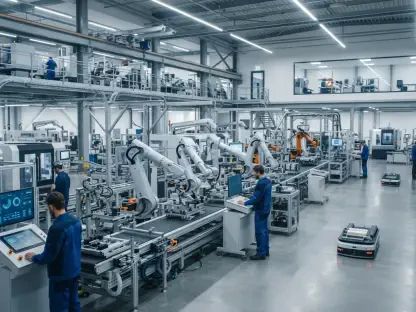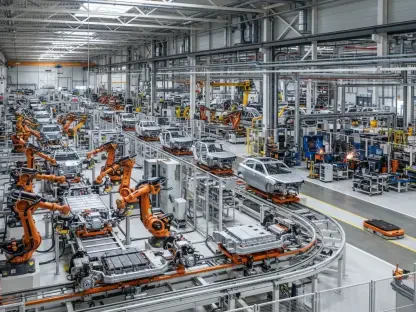

Securing a modern plant estate requires mapping which identities can reach process recipes and quality records before any AI tools are granted access. As of 2026, the rapid shift toward intelligent automation has outpaced the fundamental security protocols necessary to protect intellectual property on the factory floor. Recent industry data reveals a staggering visibility deficit, with only 34 percent of manufacturers maintaining a comprehensive inventory of their sensitive data sets. Even more alarming is that just 21 percent of these organizations can identify which digital identities—whether human or machine-based—possess the permissions to access these critical files. This lack of oversight creates a profound risk environment where AI systems, designed to optimize production, may inadvertently expose proprietary manufacturing processes to unauthorized entities. Without a clear understanding of who or what can access quality records, the deployment of AI becomes a gamble rather than a strategic advantage for a modern enterprise.
1. The Visibility Deficit: Mapping the Modern Plant Estate
The current surge in non-human identities is arguably the most significant expansion of the threat surface in the history of industrial computing. Service accounts, digital tokens, and autonomous bots are now integral to managing high-speed assembly lines and supply chain logistics, yet they often operate with minimal oversight. Currently, 76 percent of manufacturing organizations do not adequately track or oversee these non-human entities, allowing them to function as invisible actors within the network. Because these identities are often granted broad permissions to ensure uninterrupted operation, a single compromised bot can provide a gateway to the entire plant estate. In 2026, the distinction between a human user and a software agent has blurred, but the security frameworks governing them remain stuck in a legacy mindset. Effective management requires a paradigm shift that treats every digital certificate and machine credential with the same scrutiny as a high-level executive.
Beyond the sheer volume of these new identities, the complexity of their interactions creates a “ghost” credential problem that many manufacturers are ill-equipped to handle. As AI models pull real-time data from disparate sensors and legacy machines, they generate a trail of temporary access tokens that are frequently abandoned but rarely deleted. These stagnant credentials provide a persistent path for malicious actors to traverse the network undetected, moving laterally from a non-critical logistics system to the core manufacturing execution system. The danger is not just that these accounts exist, but that they often possess “always-on” privileges that were never intended to be permanent. To secure the modern factory, security teams must move away from manual tracking and adopt automated solutions that can map the lifecycle of every machine identity. Only by gaining total visibility into these hidden accounts can a manufacturer truly safeguard its most valuable digital assets from exploitation.
2. Structural Barriers: Addressing Legacy Systems and Talent
Legacy infrastructure continues to be the Achilles’ heel of industrial cybersecurity, particularly concerning the directory services that manage authentication. Recent surveys indicate that only 20 percent of manufacturing executives feel certain that their directory services, such as Active Directory, are free from configuration errors that hackers could exploit. These systems were often designed for a pre-AI era and have become cluttered with outdated permissions and nested group memberships that are difficult to audit. When modern AI tools are integrated into these legacy environments, they inherently adopt any existing security flaws, which can lead to unintended privilege escalation. For instance, an AI agent tasked with simple data analysis could accidentally inherit administrative rights to a chemical mixing system due to a legacy group configuration. This structural weakness means that even the most advanced security software can be bypassed if the underlying identity foundation is compromised.
Compounding these technical challenges is a chronic shortage of skilled personnel who understand the unique intersection of industrial operations and cybersecurity. Unlike other industries where budget constraints are the primary hurdle, the manufacturing sector identifies the lack of specialized talent as its greatest obstacle to success. Securing an AI-driven plant requires engineers who are proficient in both network security and operational technology, a combination that remains rare in 2026. This personnel gap leads to a reactive security culture where teams are overwhelmed by the volume of alerts and unable to focus on proactive hardening of the plant estate. Organizations are finding themselves in a fierce competition with the technology sector for these high-demand experts, often losing out to firms with more flexible work environments. To address this, manufacturers must pivot toward internal development and specialized training programs that can transform traditional factory workers into cyber-literate operators.
3. The Implementation Roadmap: Governance and Credential Audits
To bridge these gaps, manufacturers must adopt a rigorous roadmap that begins with the formal onboarding of every AI deployment. Every new AI system should be treated as a digital “new hire,” complete with a designated owner and a specific scope of authority that defines exactly what data it can view and what actions it can perform. This procedure ensures that no AI agent operates in a vacuum, providing a clear line of accountability for its behavior on the factory floor. Simultaneously, organizations must initiate a comprehensive audit of all machine credentials, including every service account and digital certificate used across the network. These audits should be conducted on a strict, recurring schedule rather than being treated as a one-time project at the end of a deployment. Any credential that cannot be linked to a current, authorized business process must be deactivated immediately to minimize the risk of unauthorized access or lateral movement by potential attackers.
A successful security strategy also requires the elimination of permanent, “always-on” access for third-party vendors and contractors. Instead of providing constant back-door entries, manufacturers should implement time-restricted, approved sessions that grant permissions only when specific maintenance or updates are required. These sessions should be closely monitored and logged, ensuring that all external activity is transparent and justifiable. To maintain operational continuity, these security updates and password rotations should be scheduled to coincide with planned mechanical maintenance windows, preventing unnecessary downtime. Furthermore, companies must conduct thorough assessments of their directory services to identify and patch potential attack routes before linking more AI agents to the system. By identifying these vulnerabilities early, organizations can prevent AI from inheriting the flaws of legacy systems, creating a much more resilient environment for future innovation.
4. Strategic Evolution: Future-Proofing Through Identity Leadership
Centralizing responsibility is the final critical step in securing the identity landscape of a modern manufacturer. Organizations should designate a specific leader, such as a Chief AI Security Officer, to oversee the risks associated with digital identities and autonomous agents. This individual serves as a crucial link between the IT department and the shop floor, ensuring that security policies are consistently applied across all areas of the business. By having a single point of accountability, the company can respond more effectively to emerging threats and ensure that security remains a top priority during the rapid deployment of new technologies. This leadership role is also responsible for communicating the business value of identity security to the executive board, framing it as a necessary investment for long-term growth and stability. In 2026, the ability to manage the risks of AI identities has become a competitive differentiator that defines the success of a manufacturing firm.
In the final assessment, forward-thinking manufacturers moved beyond temporary fixes and established a comprehensive culture of identity governance. They implemented automated systems that monitored the behavioral patterns of both human and machine identities, allowing for the real-time detection of anomalies that could signal a breach. These companies recognized that the integrity of their AI models was directly tied to the security of the data they processed, and they acted accordingly by reinforcing their directory services and eliminating stagnant credentials. By fostering a collaborative environment where security and operations worked in tandem, they successfully integrated AI into their production lines without compromising the safety or quality of their products. These organizations ultimately realized that digital identity was the most valuable asset in the modern industrial landscape, and they committed the resources necessary to protect it for the generations to come.