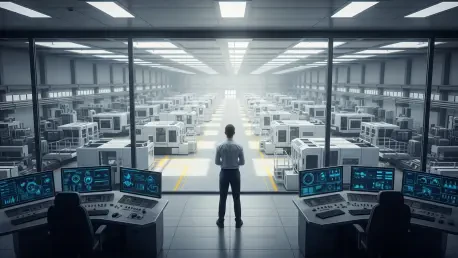

Industrial leaders are currently reevaluating the fundamental relationship between factory floor throughput and the electrical grid, moving away from a decade-long acceptance of power as a passive utility expense. In this modern era of manufacturing, energy has been elevated from a background cost to a primary strategic variable that is managed with the same precision as raw materials or labor hours. As facilities become increasingly digitized, the ability to monitor and adjust power consumption in real time has become a hallmark of operational excellence. This transition allows companies to treat their electricity usage not as a rigid requirement of production, but as a flexible asset that can be optimized to improve profit margins and meet demanding sustainability targets. By integrating sophisticated metering and cloud-based analytics, plant managers are finally gaining the transparency needed to understand the true cost of every unit produced. This shift is not merely about cost-cutting; it represents a fundamental change in how manufacturing logic is applied to resource management, ensuring that energy intelligence is woven into the very fabric of the production schedule rather than being treated as an afterthought during the monthly billing cycle.
Strategic Power Management and Real-Time Analytics
Real-Time Visibility: Transitioning From Monthly Invoices to Live Data
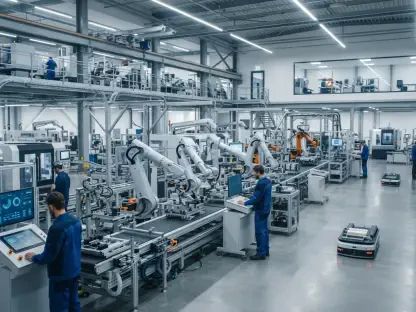
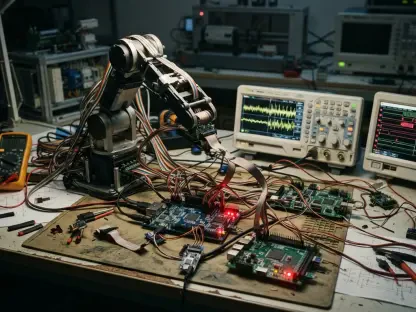
The historical disconnect between operational technology and utility management has long been a barrier to true efficiency, often leaving manufacturers with a retrospective view of their spending. Previously, energy consumption was a black box, with managers only seeing the aggregate impact of their operations when the utility bill arrived weeks after the actual consumption occurred. Today, however, the deployment of granular IoT sensors across every motor, pump, and assembly line has transformed this landscape by providing a continuous stream of high-fidelity data. This shift enables a level of visibility where a facility manager can pinpoint exactly which shift or specific machine is causing a surge in demand. By seeing the immediate correlation between a production speed increase and a spike in kilowatt-hours, organizations can make informed decisions about how to pace their operations without sacrificing delivery timelines. This granular insight is the bedrock upon which more complex strategies are built, allowing for a more nuanced understanding of how mechanical wear or inefficient programming contributes to hidden waste.
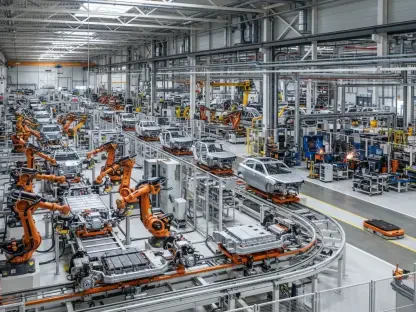
Beyond simply identifying waste, this influx of live data allows for the synchronization of factory operations with the broader energy market. Many industrial zones now operate on dynamic pricing models where the cost of power fluctuates based on grid demand and the availability of renewable sources like wind and solar. Modern smart factories utilize their visibility to shift energy-intensive processes to times of day when prices are lowest, a strategy known as load shifting. This does not necessarily mean stopping production, but rather adjusting the sequence of operations to ensure that the most power-hungry tasks coincide with periods of high supply. For instance, a facility might schedule heavy thermal processing or chemical mixing during early morning hours when the grid is underutilized. By treating energy as a variable input that can be timed and measured, manufacturers are reducing their exposure to price volatility and ensuring that their energy profile remains as lean as their physical inventory. This level of active management requires a robust digital infrastructure that can translate raw sensor data into actionable business intelligence in seconds.
AI-Driven Insights: Orchestrating Demand Response and Peak Shaving
Artificial intelligence is currently the most significant catalyst for turning raw energy data into a competitive advantage by automating the complex calculations required for peak shaving. AI models are now capable of analyzing historical production patterns alongside real-time grid conditions and local weather forecasts to predict upcoming surges in energy demand. When the system identifies a potential “peak” that would trigger expensive utility surcharges, it can automatically suggest or implement micro-adjustments to the production schedule to stay below a specific threshold. This proactive approach prevents the costly penalties that occur when a factory’s power draw exceeds its contracted capacity during high-demand hours. Instead of relying on manual intervention from engineers, these intelligent systems act as an automated balancing act, ensuring that the plant operates at maximum efficiency without risking a blown budget or a grid instability event. The precision of these algorithms allows for a much tighter control over energy overhead than was ever possible through human oversight alone.
Furthermore, these AI-driven systems are facilitating a more sophisticated relationship with utility providers through automated demand response programs. In this scenario, the smart factory functions almost like a virtual power plant, capable of reducing its load on command to help stabilize the regional grid during emergencies. In exchange for this flexibility, manufacturers receive significant financial incentives or reduced rates, essentially turning their energy management strategy into a direct revenue stream. The intelligence layer manages the trade-offs, calculating whether the incentive for reducing power for an hour outweighs the cost of a slightly delayed production run. This level of sophisticated decision-making considers the urgency of customer orders, the availability of backup battery storage, and the current labor costs on the floor. By integrating energy strategy so deeply into the operational logic, factories are no longer just consumers of power but active, intelligent participants in the energy ecosystem. This integration ensures that every watt consumed is contributing to the highest possible value for the organization and its stakeholders.
Digital Maturity and the Path to Autonomous Operations
Virtual Replication: Utilizing Digital Twins for Energy Simulation
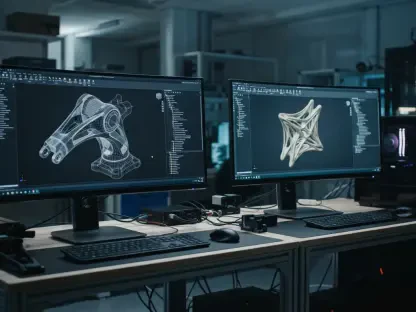
The adoption of digital twins has revolutionized the way engineers plan for energy-intensive manufacturing cycles by allowing for total virtual experimentation. A digital twin is a high-fidelity virtual replica of the physical factory that incorporates every mechanical specification and energy parameter of the real-world equipment. Before a new product line is launched or a production shift is reconfigured, teams can run thousands of simulations in the virtual environment to determine the most energy-efficient configuration. This allows for the identification of potential bottlenecks or power spikes that would be invisible in a standard spreadsheet analysis. For example, a simulation might reveal that starting three large compressors simultaneously creates a massive transient load that could damage electrical components or incur a peak-usage penalty. By staggering these start times in the digital model first, engineers can optimize the physical operation for both longevity and efficiency before the first switch is even flipped on the shop floor.
This simulation-first approach is particularly vital as manufacturers move toward total electrification and the elimination of fossil-fuel-intensive processes. As furnaces, boilers, and heavy transport vehicles transition to electric power, the total load on a facility’s internal grid increases substantially, making the margin for error much smaller. Digital twins provide the necessary sandbox to test how these new electric loads will interact with existing systems and local renewable energy sources like rooftop solar arrays. These virtual models can also simulate various “what-if” scenarios, such as the impact of a partial power outage or a sudden spike in raw material costs, to ensure that the energy strategy remains resilient under pressure. By predicting the energy footprint of every operational decision, manufacturers are moving away from a reactive “fix-it-when-it-breaks” mentality toward a proactive state of constant optimization. This reduces the risks associated with innovation and allows companies to push the boundaries of what is possible in terms of sustainable, high-speed production.
Autonomous Optimization: The Convergence of IT and OT Systems
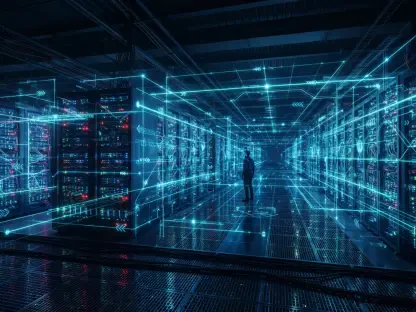
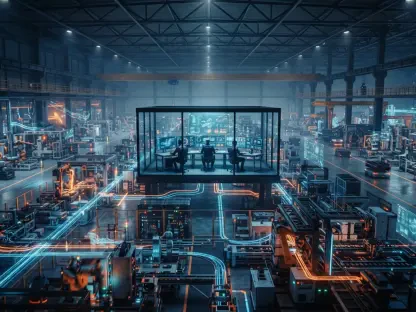
The true potential of the smart factory is realized through the seamless convergence of Information Technology and Operational Technology, creating a unified nervous system for the plant. In the past, the business-level software that handled orders and finance rarely communicated with the programmable logic controllers that ran the machinery. Now, these systems are fully integrated, allowing for autonomous optimization where the factory can adjust its own behavior based on high-level business goals. If a high-priority order arrives with a tight deadline, the integrated system can automatically prioritize energy allocation to the necessary assembly lines while temporarily scaling back non-critical systems like climate control in warehouses. This intelligent load balancing happens without human intervention, ensuring that the facility remains agile and responsive to market demands. This convergence also simplifies the process of reporting on environmental, social, and governance metrics, as the energy data is automatically captured and verified at the source.
This level of integration also provides a critical new layer of security and mechanical health monitoring for the entire enterprise. When energy consumption is tracked at a granular level, any deviation from the expected power signature can serve as an early warning for a mechanical failure or a cybersecurity breach. For instance, a motor that begins to draw ten percent more current than usual might indicate a bearing failure long before a traditional vibration sensor picks up the fault. Similarly, unusual power fluctuations in a control system could signal an unauthorized remote access attempt or the installation of malicious code. By treating energy data as a security and maintenance diagnostic tool, smart factories are enhancing their overall resilience and reducing the likelihood of catastrophic downtime. This holistic view of the factory as a single, interconnected organism allows for a level of operational integrity that was previously unattainable. As systems become more autonomous, the human role is evolving to focus on the high-level governance of these intelligent networks, setting the ethical and financial guardrails within which the machine-led optimization occurs.
Building a Future-Ready Energy Infrastructure
The transformation of manufacturing into an energy-conscious discipline was clearly established as the primary driver of industrial competitiveness by the midpoint of this decade. Manufacturers successfully moved beyond the initial hurdles of data collection, creating integrated ecosystems where every mechanical action was weighed against its electrical cost. This transition proved that sustainability and profitability were not mutually exclusive goals, but rather two sides of the same operational coin. To continue this momentum, organizations must prioritize the standardization of their data platforms to ensure that information can flow freely between different brands of machinery and software. Future investments should focus on upgrading aging electrical infrastructure to support the high-density loads required by total electrification and AI-driven automation. Strategic audits of current power usage are the necessary first step, followed by the incremental deployment of sub-metering technology to eliminate any remaining blind spots in the facility.
Looking ahead, the most successful industrial enterprises will be those that continue to invest in the digital literacy of their workforce, ensuring that engineers can interpret and act upon complex energy analytics. Leadership teams should focus on creating a culture where energy efficiency is valued as a core engineering metric, alongside quality and throughput. This involves not only purchasing the latest technology but also redesigning internal workflows to allow for the flexibility that dynamic energy management requires. Collaborative efforts with utility providers will also become more common, as factories seek to co-manage the grid in exchange for greater stability and lower costs. By treating the factory as a strategic node in the wider energy network, companies can secure their place in a global economy that increasingly favors resource-efficient production. The path forward requires a commitment to continuous technological integration and a willingness to view every aspect of the manufacturing process through the lens of strategic resource management.