
The volatility of the current economic landscape has made real-time risk mitigation a top priority for protecting factory throughput and material continuity. In the present industrial environment, global manufacturers are no longer merely looking for marginal gains in efficiency; they are fundamentally redesigning the architecture of their operations to thrive in a post-digital world. The current year marks a turning point where the convergence of procurement, supply chain management, and digital shop-floor execution has created a more unified and responsive ecosystem. This transition is characterized by a move away from rigid, siloed departments toward a holistic model that prioritizes agility and long-term stability. By integrating advanced analytics with traditional manufacturing expertise, organizations are successfully navigating a complex market defined by fluctuating trade policies and shifting resource availability. This comprehensive strategy ensures that growth remains both scalable and environmentally responsible as the sector looks toward the end of the decade.
Technological Transformation and AI Integration
The Shift Toward Autonomous Operations: From Pilot to Pillar
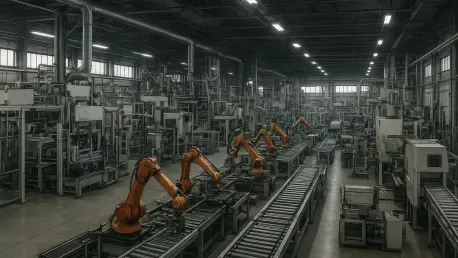
Artificial intelligence has successfully transitioned from an experimental novelty to a foundational operational pillar within modern smart factories. In the current production environment, generative AI and predictive automation systems act as the central nervous system for manufacturing sites, enabling a level of precision previously considered impossible. Digital twins now allow for the comprehensive simulation of entire production cycles, providing engineers with the ability to identify potential bottlenecks before they manifest on the physical floor. This proactive stance on maintenance and quality assurance drastically reduces unplanned downtime and maximizes the return on investment for high-cost machinery. Furthermore, autonomous demand forecasting tools allow plants to adjust their output in real-time based on fluctuating consumer needs. By prioritizing these technologies, manufacturers are building an operational framework that is both highly resilient and capable of rapid adaptation to changing market forces.
Despite these advancements, the journey toward total industrial autonomy involves overcoming significant technical hurdles related to legacy infrastructure. Many global operations still rely on older operational technology systems that were never designed to communicate with modern AI frameworks or cloud-based data lakes. Bridging this gap requires a sophisticated approach to data integration, ensuring that information flows seamlessly from the edge of the shop floor to enterprise-level decision centers. Manufacturers must focus on scaling these AI solutions across multiple global sites to ensure consistency in product quality and operational efficiency. The primary challenge lies in standardizing data formats and security protocols to prevent the creation of new digital silos. Successfully navigating this integration phase is essential for any organization aiming to achieve a truly responsive production environment that can compete effectively on a global scale through the remainder of the 2026 to 2028 period.
Redefining Procurement: Automation and Strategic Sourcing
The evolution of the manufacturing sector is equally dependent on the modernization of procurement and the adoption of autonomous contract management. In the current business climate, contracts serve as the dynamic foundation for supply chain relationships, covering everything from raw material prices to complex service level agreements with specialized vendors. By leveraging AI-driven platforms, procurement teams can now unlock hidden value from vast amounts of contract data that were previously buried in static documents. These autonomous technologies provide unparalleled visibility into supplier performance and compliance, allowing for more proactive risk management. For instance, when a geopolitical shift threatens a specific trade route, these systems can instantly identify affected agreements and suggest alternative sourcing strategies. This level of digital oversight ensures that the foundational logic of the supply chain remains as flexible and responsive as the production lines it feeds.
By automating the administrative burdens associated with document review and supplier onboarding, procurement professionals are finally able to shift their focus toward high-value strategic sourcing. This digital transformation allows for the creation of smarter, more agile management frameworks that prioritize long-term value creation over simple cost reduction. Enhanced visibility into the procurement lifecycle also facilitates better alignment between financial goals and operational realities on the factory floor. Furthermore, these automated systems improve compliance with evolving international trade regulations by providing real-time updates and flagging potential discrepancies before they lead to costly penalties. As organizations continue to refine these processes from 2026 to 2029, the relationship between buyers and suppliers will become increasingly collaborative and data-driven. This shift not only streamlines internal operations but also builds a more cohesive industrial ecosystem that is capable of withstanding unexpected fluctuations.
Human Capital and Sustainable Growth
Bridging the Industrial Skills Gap: Human-Machine Collaboration
While automation continues to reshape the landscape, the human element remains the most significant competitive differentiator in the current industrial sector. The workforce is presently undergoing a radical transformation as the demand for traditional manual labor is replaced by a need for high-level technical and digital literacy. Bridging the widening skills gap requires a comprehensive commitment to upskilling frontline operators, ensuring they possess the expertise necessary to manage and maintain sophisticated robotic systems and AI algorithms. Companies are finding that the most successful digital transitions occur when technology is viewed as a partner to the worker rather than a replacement. Consequently, the manufacturing environment is being repositioned as a high-tech hub where creative problem-solving and critical thinking are prioritized over repetitive tasks. This cultural shift is essential for attracting the next generation of industrial leaders who seek a career that offers technological engagement.
To secure a stable talent pipeline, manufacturers must implement a culture of continuous learning that permeates every level of the organization. This involves moving beyond occasional training seminars to a model where education is integrated directly into the daily workflow. Collaborative tools that allow humans and machines to interact more intuitively are becoming standard, reducing the barrier to entry for complex technical roles. Furthermore, organizations are increasingly partnering with educational institutions to ensure that the curriculum aligns with the rapidly evolving needs of Industry 4.0. By fostering an environment that rewards adaptability, manufacturers can build a more resilient workforce capable of navigating the constant pace of technological change. This focus on human capital not only improves operational efficiency but also enhances employee retention and satisfaction. Ultimately, the ability of a company to harmonize its digital infrastructure with a highly skilled workforce will determine its success.
Prioritizing Net Zero: Sustainability and Supply Chain Resilience
Sustainability has transitioned from a secondary corporate responsibility to a core strategic driver for the global manufacturing sector. In the current market, decarbonization efforts are being embedded directly into the fabric of production lines and procurement strategies. The push toward net-zero targets is particularly evident in the automotive and heavy machinery sectors, where the electrification of supply chains and the sourcing of lower-carbon materials have become operational mandates. Manufacturers are now evaluating their environmental impact across the entire lifecycle of a product, from raw material extraction to final assembly and distribution. This holistic approach necessitates a closer collaboration with suppliers to ensure that sustainable practices are maintained throughout the value chain. By investing in renewable energy sources and more efficient production methods, companies are not only meeting regulatory requirements but are also appealing to a growing demographic of consumers who prioritize ecological health.
In tandem with environmental goals, building supply chain resilience has become a top priority for protecting global operations from external shocks. The current strategy involves moving away from fragile, traditional supply models in favor of advanced, data-driven risk monitoring systems. By utilizing specialized software that provides real-time insights into global shipping, material availability, and geopolitical developments, enterprises can identify potential disruptions before they impact the factory floor. This agility allows manufacturers to absorb shocks—such as sudden material shortages or logistics failures—without halting production or compromising on quality. The trend is toward fostering more transparent and collaborative relationships with a diversified pool of suppliers, reducing the reliance on any single geographic region. As these resilience frameworks become more sophisticated, they will provide the stability necessary for manufacturers to maintain their growth trajectories despite the inherent uncertainties of a global economy.
Strategic Next Steps: Building for Longevity
Throughout the recent transformation of the global manufacturing sector, leaders successfully implemented a unified vision that balanced technological prowess with human ingenuity and environmental stewardship. The shift from reactive to proactive management proved to be the most effective strategy for navigating the complexities of the current era. Organizations that prioritized the integration of AI, the upskilling of their workforce, and the hardening of their supply chains saw significant gains in both productivity and market share. Moving forward, industrial leaders should focus on deepening these digital integrations and ensuring that sustainability remains a permanent pillar of the procurement process. It is recommended that companies continue to invest in open data standards to further break down internal silos and enhance cross-departmental collaboration. By maintaining this commitment to innovation and resilience, the manufacturing industry will remain a robust and vital component of the global economy, well-equipped to handle any future challenges.