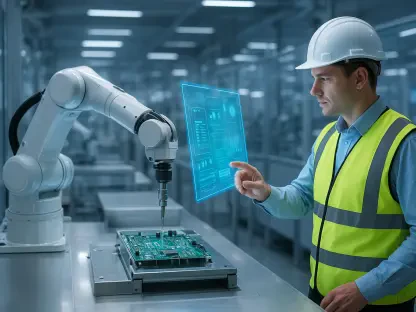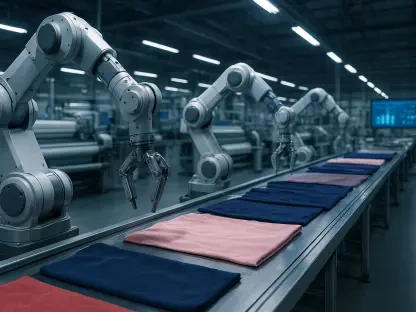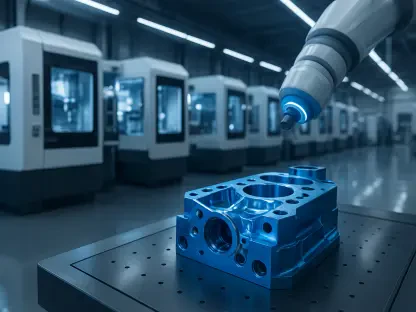

The emergence of dark factories, such as Xiaomi’s smartphone facility, demonstrates the potential for 24/7 production with zero human intervention. This transformation represents a defining moment for the industrial sector, where the traditional constraints of labor availability and manual oversight are being systematically dismantled. As organizations navigate the current economic landscape, the focus has pivoted from basic digitization to the creation of fully unified and intelligent ecosystems. The primary objective is to achieve a standard of industrial competitiveness that allows for greater output with fewer resources, a necessity driven by tighter profit margins and more stringent regulatory environments. Leaders are no longer simply purchasing hardware; they are orchestrating complex data streams and autonomous systems to create a responsive and elastic manufacturing footprint. This evolution marks a clear separation between companies that can leverage real-time visibility and those that remain tethered to reactive, siloed methodologies.
Introduction: The Dawn of Autonomous Industrial Ecosystems
Digitalization is no longer a future-oriented objective but the absolute baseline for survival in the current global market. The industry has reached a consensus that manufacturers relying on manual reporting or legacy systems face a structural disadvantage that is becoming insurmountable. Current digital transformation efforts are centered on the integration of Enterprise Resource Planning systems, Manufacturing Execution Systems, and Industrial Internet of Things sensors into a singular, responsive infrastructure. This baseline allows for real-time operational visibility across global sites, enabling decision-making cycles to occur in hours rather than weeks. By eliminating the silos between maintenance, production, and supply chain teams, organizations are maximizing asset utility and ensuring that every component of the operation is aligned with overarching business goals.
The Strategic Shift: Integrating Intelligence into Industrial Operations
The persistent labor crisis has fundamentally altered the role of robotics, shifting the perception of automation from a cost-saving measure to an essential operational stabilizer. Aging populations in traditional manufacturing hubs and a widening skills gap have necessitated a transition toward a hybrid workforce model. Industrial robot installations have reached record levels as companies deploy autonomous systems for complex material handling and high-precision assembly. Collaborative robots are now integrated into human workflows to manage repetitive or ergonomically hazardous tasks, allowing skilled workers to focus on process optimization and strategic oversight. This approach not only improves safety but also insulates production capacity from the volatility of the labor market, ensuring that output remains consistent regardless of external staffing challenges.
Efficiency has become the primary metric of success, leading manufacturers to deploy artificial intelligence to eliminate waste and optimize machine performance. Traditional quality control, which often identified defects after they occurred, has been replaced by real-time AI monitoring. Computer vision and machine learning algorithms now detect microscopic deviations and pattern inconsistencies during the production process, which significantly reduces scrap and rework rates. Furthermore, predictive maintenance has revolutionized asset management by analyzing vibration and performance data to forecast equipment failure before it happens. This allows maintenance teams to perform interventions during planned downtime, preventing the massive costs associated with sudden line stoppages. These AI-driven strategies directly improve the financial performance of the factory by maximizing uptime and ensuring higher first-pass yields.
The global supply chain has shifted away from a purely lowest-cost model toward a resilience paradigm that prioritizes adaptability and multi-tier visibility. Competitiveness is now defined by the ability of a supply network to withstand geopolitical shocks and environmental disruptions. Leading organizations use data integration to monitor the entire supply thread, providing a control tower view of demand forecasts and raw material availability. Artificial intelligence algorithms analyze market signals in real time to refine production schedules, effectively mitigating the bullwhip effect of inventory imbalances. Moreover, the use of digital twins to simulate potential disruptions allows companies to develop contingency plans before a crisis materializes. This trend toward regionalization and supplier diversification ensures that the supply chain remains a strategic asset rather than a point of vulnerability.
Sustainability is now treated as a core operational lever rather than a secondary concern of corporate social responsibility. With the industrial sector accounting for a significant portion of global energy use, energy efficiency has become a critical financial priority. Modern facilities utilize sensors to track energy consumption at the machine level, identifying inefficiencies and optimizing production timing to lower costs. Circular economy principles, such as closed-loop recycling and remanufacturing, are being used to hedge against the volatility of raw material prices. Additionally, the social aspect of sustainability involves significant investment in workforce upskilling to prepare employees for an increasingly technical environment. These initiatives lead to lower employee turnover and higher productivity, demonstrating that environmental and social performance are directly linked to long-term profitability.
As factories become more interconnected, cybersecurity has evolved into a critical component of risk management and board-level governance. The frequency of cyberattacks on industrial operations has increased significantly, making ransomware and espionage major threats to both production and intellectual property. A single security breach in a connected facility can disrupt an entire supply chain, which has led to the adoption of multi-layered defense protocols. Network segmentation is now standard practice to prevent office-level breaches from impacting operational technology systems. Zero-trust architecture ensures that every device and user must be verified, regardless of their position on the network. By prioritizing cyber resilience, manufacturers are protecting their digital thread and maintaining the trust of customers and stakeholders in an increasingly hostile digital landscape.
The synthesis of technology and people remains the definitive competitive advantage for high-performing manufacturing organizations. It is widely recognized that technology alone cannot solve operational inefficiencies; rather, it must be supported by a robust culture of continuous improvement. This management philosophy ensures that digital tools are applied to solve real problems and eliminate specific bottlenecks rather than being adopted for their own sake. Engaging the workforce in problem-solving and system implementation creates a more agile organization capable of rapid change. Furthermore, organizations understand that process stability must precede automation to avoid magnifying existing inefficiencies. By maintaining a disciplined approach to operational excellence, companies ensure that their investments in AI and robotics yield the highest possible return on investment.
Strategic investment in modular and flexible production systems has allowed manufacturers to respond to shifting consumer demands with unprecedented speed. The ability to reconfigure production lines quickly ensures that companies can pivot between product variations without significant downtime. This elasticity is supported by cloud-connected infrastructure that allows for standardized processes to be replicated across global operations with minimal friction. By focusing on asset flexibility, organizations are reducing the risks associated with long-term capital investments in fixed production lines. This modern approach to capacity management ensures that the manufacturing footprint can scale up or down based on real-time market data, providing a significant advantage in a volatile global economy where consumer preferences can change overnight.
The Conclusion: Strategic Resilience and Operational Excellence
The transition toward highly integrated manufacturing models signaled a departure from traditional labor-intensive processes. Organizations prioritized data integrity and the stabilization of manual workflows before implementing advanced automation. These strategic shifts ensured that technology acted as a force multiplier rather than an added layer of complexity. Executive leadership increasingly viewed cybersecurity and environmental sustainability as essential pillars of operational risk management. This comprehensive approach allowed companies to build resilience against market fluctuations and resource scarcity. By aligning technological investment with a disciplined culture of continuous improvement, the industry successfully established a new standard for global excellence. These advancements provided a clear roadmap for achieving long-term profitability in a rapidly evolving industrial landscape.