
While manufacturers have initially absorbed rising input costs to shield consumers, unavoidable price hikes are projected to take effect starting this fall. This shift comes as the European Union intensifies its environmental mandates, specifically through the expansion of carbon-related levies that directly impact the heavy materials essential for furniture production. The furniture industry, traditionally characterized by thin margins and high competition, finds itself at a crossroads where sustainability is no longer a marketing choice but a financial necessity. For decades, the sector relied on global supply chains that prioritized low-cost raw materials, often sourced from regions with lax environmental regulations. However, the current regulatory climate has effectively dismantled this model, forcing companies to account for the true environmental cost of their products. As carbon prices fluctuate, the financial burden on middle-market retailers has grown significantly, leading to a major reassessment of inventory strategies across the continent.
The Financial Burden: Carbon Pricing and Raw Materials
The implementation of the Carbon Border Adjustment Mechanism (CBAM) has fundamentally altered the procurement landscape for European furniture designers. Metals such as aluminum and steel, which serve as the backbone for ergonomic office chairs and modern shelving units, are now subject to rigorous reporting and taxation based on their carbon footprint at the point of origin. This means that a manufacturer in Poland or Italy importing metal frames from outside the Eurozone must pay a premium that mirrors the cost of carbon within the domestic market. This legislative framework was designed to prevent carbon leakage, yet its immediate consequence was a sharp spike in operational expenditures for firms that had not yet secured green steel alternatives. By requiring detailed emissions data from international suppliers, the EU has effectively turned the furniture supply chain into a complex web of environmental accounting. Smaller workshops often lack the administrative capacity to navigate these filings, resulting in additional consulting fees that further erode their competitive edge.
Beyond structural metals, the tax implications extend to the chemical industry, affecting the resins, glues, and foams used in upholstered furniture and composite wood products. These petroleum-based components are seeing price volatility as their producers face similar carbon-related penalties. For instance, the production of high-density polyurethane foam used in premium sofas is an energy-intensive process that now carries a higher price tag due to the rising cost of carbon credits. Manufacturers attempted to mitigate these costs by optimizing their cutting patterns and reducing waste, but such incremental efficiency gains proved insufficient against the scale of the new taxes. The tension between maintaining affordable price points for the average consumer and adhering to strict decarbonization targets created a volatile market environment. Many legacy brands found that their previous long-term contracts with suppliers lacked the flexibility to absorb these sudden regulatory costs, leading to emergency renegotiations and, in some cases, the total discontinuation of specific product lines.
Navigating the Transition: Innovation and Local Sourcing
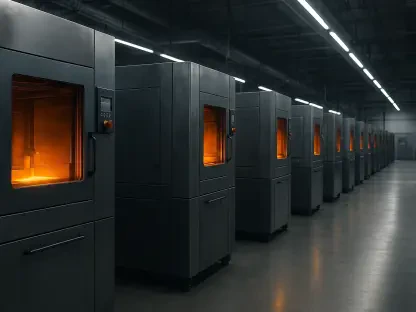
In response to these financial pressures, a growing segment of the European furniture market pivoted toward localized production and the adoption of bio-based materials. By sourcing timber from sustainably managed European forests and utilizing recycled aluminum, companies successfully bypassed the most punitive aspects of the carbon tax. This trend toward near-shoring not only reduced the carbon footprint associated with long-distance shipping but also allowed for greater transparency in the supply chain. Advanced manufacturing technologies, including 3D printing with recycled plastics and automated assembly lines powered by renewable energy, emerged as vital tools for survival. These innovations allowed firms to maintain high output levels while significantly lowering their total emissions profile. Furthermore, the integration of digital product passports enabled manufacturers to prove the sustainability of their items to both regulators and eco-conscious shoppers. This shift necessitated a heavy initial investment in digital infrastructure, but it ultimately provided a pathway toward a more resilient model.
The industry eventually realized that survival depended on a total overhaul of the traditional linear economy. Forward-thinking executives prioritized the development of modular furniture systems that were designed for easy repair and recycling, thereby extending the lifecycle of every unit sold. They also established collaborative clusters where wood waste from one factory became the raw material for another’s particleboard production, creating a closed-loop system that minimized carbon exposure. Investment in green hydrogen for powering kilns and large-scale solar arrays on factory roofs became the standard for top-tier manufacturers. These strategic moves effectively insulated the sector from the most volatile swings in global carbon markets and positioned European furniture as a global leader in high-value, low-impact design. While the transition was marked by significant financial strain and market consolidation, the result was a leaner, more technologically advanced industry. Leaders who acted decisively to integrate carbon management into their core operations found themselves well-positioned for the economic landscape of 2026 to 2028.