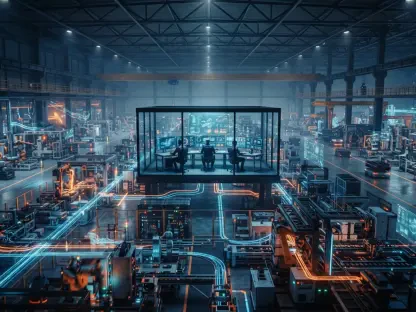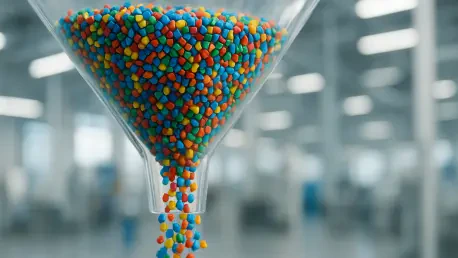

The NewCycling solvent-based process allows for the molecular-level purification of polymers, effectively removing impurities and pigments that previously limited the reuse of recycled materials. This breakthrough represents a pivotal shift in how the industry approaches the end-of-life stage for complex plastic waste, moving beyond traditional methods that often resulted in downcycled products of lower value. As the global landscape for plastic production undergoes a fundamental transformation, LyondellBasell has positioned itself at the forefront of this change by integrating circularity directly into its commercial core. The objective is no longer merely to produce high-quality polymers but to ensure that those materials can be recovered, purified, and reintegrated into the manufacturing cycle without losing their physical integrity or aesthetic appeal. This strategy is underpinned by a commitment to scaling technologies that bridge the gap between waste management and high-performance chemical manufacturing, ensuring that the transition to a circular economy is supported by robust industrial capabilities and real-market demand.
The Strategic Shift: Business-Led Sustainability
At the heart of the current corporate evolution is the concept of business-led sustainability, a philosophy that rejects the idea of environmental initiatives as mere peripheral activities or philanthropic efforts. Instead, this approach treats circularity as a primary driver of long-term economic growth and a necessary response to shifting consumer expectations and regulatory pressures. By aligning sustainability goals with core business functions, the organization ensures that every environmental advancement is also a commercially viable solution for its global customer base. This integration allows for the development of products that meet the rigorous technical specifications of high-demand industries while simultaneously reducing the reliance on virgin, fossil-based resources. The focus remains on demonstrating that a circular economy is not just an idealistic vision but a practical framework for maintaining a competitive edge in a modern market that increasingly rewards transparency and resource efficiency.
Achieving this level of industrial scale requires a methodology that starts with the end-of-life product and works backward through the supply chain. By thoroughly understanding the performance requirements and safety standards of brand owners and converters, the company can tailor its polymer solutions to act as drop-in replacements for traditional materials. This is a critical factor for widespread adoption, as it removes the need for manufacturers to invest in costly retooling of their production lines or to sacrifice the quality of their packaging. When sustainable resins can be seamlessly integrated into existing manufacturing processes, the barriers to entry for circularity are significantly lowered. This focus on compatibility and performance ensures that the transition to more sustainable materials is a smooth and economically feasible journey for all stakeholders involved in the plastics value chain, from the initial resin production to the final consumer shelf.
The Circulen Portfolio: A Three-Pillar Approach
The current strategic framework is organized around the Circulen brand, which serves as an umbrella for three distinct technological pathways designed to address the variety of plastic waste challenges. The first of these, CirculenRecover, is centered on the advancement of mechanical recycling techniques. This pathway is most effective when high-quality plastic waste is available, allowing it to be cleaned and reprocessed into usable polymers without altering the underlying chemical structure of the material. Innovations in this area focus on enhancing the properties of recycled resins through advanced sorting and the use of specialized additives. By improving the consistency and purity of mechanically recycled materials, the company has successfully expanded their use into high-end markets, such as personal care and cosmetic packaging, where visual appeal and structural durability are paramount.
The second pillar, known as CirculenRevive, represents the frontier of advanced or chemical recycling. This technology is essential for managing plastic waste that is traditionally difficult to recycle, such as mixed-material films or contaminated flexible packaging that mechanical processes cannot handle. Using proprietary catalytic technology, these plastics are broken down into their basic molecular building blocks, which are then used as a feedstock for the production of new polymers. The resulting materials are indistinguishable from virgin plastics in terms of safety, performance, and regulatory compliance. This allows for the use of recycled content in the most sensitive applications, including food-grade packaging and medical devices, where maintaining absolute purity is a non-negotiable requirement for consumer safety and product shelf life.
Part 1: Breakthroughs in Advanced Recycling Technology
A cornerstone of the current innovation strategy is the MoReTec technology, a proprietary catalytic chemical recycling process that sets a new standard for efficiency in the industry. Unlike traditional pyrolysis, which can be energy-intensive and produce inconsistent results, MoReTec is designed to convert polyolefin waste into high-quality pyrolysis oil and gas with remarkable precision. This process provides a reliable alternative to fossil-based feedstocks, effectively closing the loop for plastics that were previously destined for landfills or incineration. The company is currently scaling this technology through the development of the MoReTec-1 plant in Germany. This facility, which is designed to process 50,000 metric tons of plastic waste annually starting in 2027, marks a significant milestone in the industrialization of chemical recycling and demonstrates a commitment to bringing these advanced solutions to a commercial scale.
Beyond catalytic recycling, the development of NewCycling offers a specialized solvent-based approach to plastic recovery. This method focuses on cleaning the polymer at a molecular level, which is particularly effective for removing adhesives, inks, and other contaminants that are often embedded in modern packaging. By purifying the material without breaking down the polymer chains, NewCycling preserves the high mechanical properties of the original resin while achieving a level of clarity and purity that rivals virgin materials. This technology is a vital part of a neutral technological stance, recognizing that a combination of different recycling methods is necessary to address the diversity of the global waste stream. By maintaining a diverse portfolio of technologies, the company can adapt its recycling strategy to the specific needs of different regions and material types, ensuring a more resilient and versatile circular ecosystem.
Renewable Resources: The Path of CirculenRenew
The third pillar of the circular strategy is CirculenRenew, which utilizes second-generation bio-based feedstocks to create polymers with a significantly reduced carbon footprint. These feedstocks are derived from waste sources such as used cooking oils and residues from the forestry and agricultural sectors, ensuring that they do not compete with the food chain or contribute to deforestation. By integrating these renewable materials into existing production facilities, the company provides a scalable way for brand owners to meet their aggressive carbon reduction targets. The beauty of this approach lies in its versatility; because the resulting bio-based polymers are chemically identical to their fossil-based counterparts, they can be used in the same wide range of applications without any loss in performance or safety.
This pathway is particularly attractive for companies looking to decouple their growth from fossil fuel consumption while maintaining the high standards required for their products. The use of bio-circular feedstocks also helps to diversify the raw material supply, providing a buffer against the volatility of the oil and gas markets. As the demand for low-carbon materials continues to grow, CirculenRenew offers a practical and immediate solution for reducing the environmental impact of plastic production. By focusing on waste-based renewable sources, the company ensures that its bio-based solutions contribute to a truly circular economy, where every byproduct is viewed as a potential resource rather than a waste stream. This commitment to renewable innovation is a key component of the broader effort to transform the plastics industry into a more sustainable and resource-efficient sector.
Securing Feedstock: Vertical Integration and Infrastructure
One of the most significant challenges in the journey toward circularity is the fragmented and often inefficient nature of the global waste management landscape. Advanced recycling technologies can only operate at peak performance when they have access to a consistent, high-quality supply of waste plastic. To address this bottleneck, a strategy of moving upstream in the value chain has been implemented, forming strategic partnerships and joint ventures to secure and process raw materials. A prime example is the collaboration within Source One Plastics, which focuses on aggregating and sorting plastic waste to ensure it meets the strict technical specifications required for advanced recycling. By investing directly in sorting and pre-treatment infrastructure, the company is not just a consumer of waste but an active participant in professionalizing the supply chain.
This move toward vertical integration is essential for reducing the risks associated with feedstock availability and quality. By controlling more of the process, from waste collection to the production of the final resin, the organization can ensure a more stable and predictable flow of materials. This stability is crucial for the successful operation of large-scale facilities like MoReTec-1 and for providing customers with the reliable supply of circular polymers they need to meet their own sustainability commitments. Furthermore, by improving the efficiency of sorting and cleaning processes, the company can extract more value from the existing waste stream, turning what was once a liability into a high-value asset. This proactive approach to infrastructure development is a key differentiator in the race to scale circular solutions globally.
Value Chain Collaboration: The Marabou Case Study
Circularity is inherently a collaborative effort, as no single company can close the loop in isolation. This reality is best demonstrated through successful partnerships across the entire value chain, such as the recent project involving Mondelez International, Amcor, and Taghleef Industries. Together, these organizations developed circular packaging for Marabou chocolate using chemically recycled polymers from the CirculenRevive line. This collaboration was significant because it proved that advanced recycling could meet the most stringent food-safety standards in a high-volume consumer application. The project required deep technical integration between the resin producer, the film converter, and the brand owner to ensure that the final packaging maintained its protective properties while incorporating recycled content that was safe for direct food contact.
In addition to technical success, this project validated the use of the ISCC PLUS-certified mass balance approach for tracking recycled content through complex manufacturing systems. Mass balance is a critical accounting method that allows circular materials to be mixed with traditional feedstocks during production while ensuring that the final output is accurately credited with its recycled content. This transparency is vital for brand owners who need to make credible sustainability claims to their customers and regulators. By demonstrating the viability of this approach on a commercial scale, the Marabou project provided a blueprint for how other companies can successfully integrate circular materials into their products. Such partnerships show that when the value chain works together, it is possible to overcome the technical and logistical hurdles that have traditionally hindered the adoption of recycled plastics in the food and beverage industry.
Global Dynamics: Regulation and Market Evolution
The transition to a circular economy is being accelerated by a shifting regulatory landscape, with Europe currently serving as the primary driver of change. The Packaging and Packaging Waste Regulation (PPWR) has established clear mandates for recycled content and recyclability, creating a predictable market for circular materials and justifying large-scale capital investments. This regulatory pull is essential for providing the long-term certainty that companies need to build expensive infrastructure like chemical recycling plants. However, the movement is not limited to Europe. In North America, individual states are increasingly implementing their own plastic packaging laws, while the Asia-Pacific region is exploring new standards to manage its massive manufacturing output. These regional developments are coalescing into a global demand for high-quality, sustainable polymer solutions.
As the market for circular plastics matures, the economic relationship between recycled and virgin materials is also evolving. Traditionally, the price of recycled plastic was closely tied to the price of crude oil, but this link is beginning to weaken. The costs of circular polymers are primarily driven by the logistics of collection, the complexity of sorting, and the technological requirements of chemical processing. Furthermore, the value of these materials is increasingly defined by their “intangible” benefits, such as their role in helping companies avoid plastic taxes, meet carbon reduction goals, and enhance their brand reputation. This shift toward a value-based pricing model reflects the unique role that circular materials play in the modern economy, where environmental performance is increasingly seen as a core component of a product’s overall worth.
Engineering for the Future: Design and Performance
A vital part of the strategy to scale circularity involves “design for recycling,” which focuses on making products easier to recover from the very beginning of their lifecycle. Many modern packages are made of multiple layers of different plastics, which makes them nearly impossible to recycle mechanically. To solve this, the company is developing monomaterial solutions that use a single type of polymer, such as polyolefin, to provide the same barrier and strength properties as complex multi-material films. By simplifying the construction of packaging, these innovations ensure that materials can be more easily identified and processed by existing recycling infrastructure. This proactive design philosophy addresses the waste problem at its source, creating a future where packaging is inherently compatible with a circular system.
To further bridge the gap between recycled and virgin quality, the use of masterbatches and additives has become a critical tool. These specialized chemical components are used to correct common issues found in recycled resins, such as unwanted odors, inconsistent colors, or degraded mechanical properties. By tailoring these additives to the specific needs of the recycled material, it is possible to produce a “second-life” plastic that can compete directly with virgin resins in high-performance applications. This focus on quality and consistency ensures that circularity does not require a compromise in consumer experience or product durability. Whether it is a durable automotive part or a lightweight food container, the goal is to provide a material that performs flawlessly while supporting a more sustainable and resource-efficient industrial model.
Actionable Integration: The Path to Industrial Scale
The industry had previously focused on small-scale trials and conceptual proofs, but it recently transitioned into a phase characterized by full-scale industrialization and commercial implementation. The successful deployment of technologies like MoReTec and NewCycling demonstrated that the technical barriers to high-quality recycling were largely surmountable through dedicated research and capital investment. As these systems moved from the laboratory to the production floor, they provided a clear roadmap for how large-scale chemical manufacturing could adapt to a circular economy. The establishment of integrated waste-to-polymer hubs showed that the logistical challenges of feedstock management were manageable when approached with a strategy of vertical integration and regional cooperation. This progress laid the groundwork for a future where circular materials are a standard, rather than an exception, in the global plastics market.
Stakeholders must now prioritize the expansion of collection and sorting infrastructure to ensure that these advanced technologies have the raw materials they need to operate at capacity. The move toward standardized reporting and mass balance certification provided the necessary transparency for brands to confidently adopt recycled content, and this momentum must be maintained through continued global harmonization of standards. Companies that invested early in these circular pathways found themselves better positioned to navigate the complexities of new environmental regulations and shifting consumer preferences. The focus moved beyond simply managing waste toward reimagining plastic as a valuable, renewable resource that remains within the economy and out of the environment. By continuing to innovate in material design and processing technology, the industry secured its role as a critical enabler of a low-carbon, sustainable future for all global manufacturing sectors.