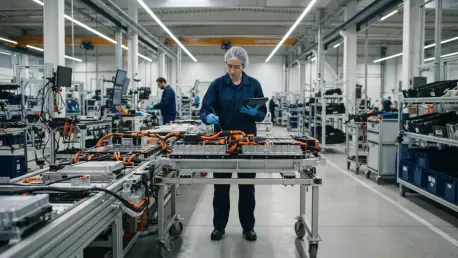

The newly inaugurated Plant Woodruff in South Carolina serves as the primary assembly hub for sixth-generation high-voltage batteries destined for the upcoming BMW iX5. This milestone signals a profound shift in the automotive landscape of North America, where traditional internal combustion engines once reigned supreme. By establishing a dedicated facility for Gen6 technology, the BMW Group is effectively bridging the gap between high-performance engineering and sustainable mobility. The Woodruff site is strategically positioned just 15 miles from the massive Spartanburg vehicle plant, ensuring a seamless integration of components into the assembly line. This proximity is a cornerstone of the “local for local” strategy, which aims to shorten supply chains and reduce the environmental impact of logistics. As the automotive industry pivots toward electrification, the presence of such a facility underscores the region’s growing status as a critical hub for high-tech manufacturing.
1. BMW’s New Battery Facility and Global Network
The official opening of Plant Woodruff marks a historic transition as the company commences series production of its most advanced energy storage systems on American soil. This facility represents a multi-million-dollar investment that goes far beyond simple construction; it is the physical manifestation of a long-term commitment to the regional economy. By focusing on the assembly of sixth-generation high-voltage batteries, the plant provides the necessary hardware for the next wave of electric mobility in the United States. These batteries are not merely components but are the sophisticated hearts of modern vehicles, requiring precision engineering and a highly controlled environment. The facility operates as a synchronized extension of the existing manufacturing ecosystem, ensuring that the local workforce is at the forefront of the electric revolution. Mastering the complexities of high-voltage systems and advanced battery chemistry is a priority.
Woodruff has officially become the fourth critical pillar in a global production network for these specific batteries, joining operational sites in Hungary, Germany, and China. This international footprint allows the group to share technical breakthroughs and manufacturing improvements across borders in real time. This interconnectedness facilitates a rapid scaling of production capabilities, ensuring that the supply of high-performance batteries keeps pace with the increasing global demand for the Neue Klasse vehicle lineup. Each site follows the same standardized processes, which guarantees that a battery produced in South Carolina is identical in quality to one manufactured in Europe or Asia. This global consistency is vital for maintaining brand reputation during the massive shift toward electrification. The expansion of this production footprint shields the process from external geopolitical pressures that disrupt global trade.
2. Advanced Manufacturing and Assembly Processes
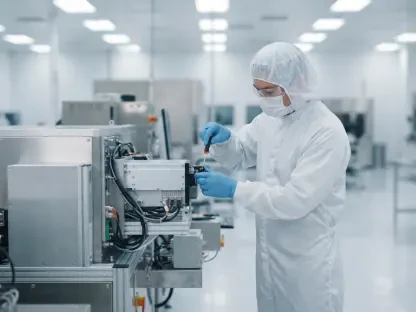
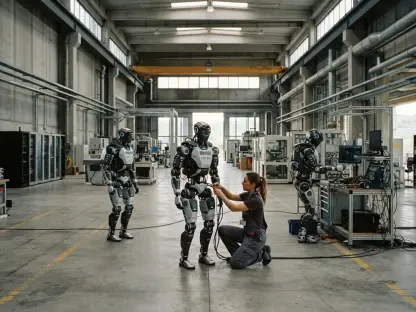
Advanced manufacturing at the facility is defined by the seamless fusion of human expertise and automated precision through a dedicated zero-defect approach. The site utilizes more than 250 sophisticated robots that handle the most repetitive and physically demanding tasks, allowing the 300-member staff to focus on high-level oversight and quality management. Central to this operation is the use of artificial intelligence agents that monitor every single production step in real time, analyzing data streams to identify potential deviations before they become defects. Every weld, seal, and connection is documented digitally, creating a comprehensive birth certificate for each unit. This level of transparency ensures that every battery leaving the factory floor meets the exacting standards required for high-performance electric vehicles. The integration of digital twins allows engineers to simulate production scenarios, constantly optimizing the workflow for maximum efficiency.
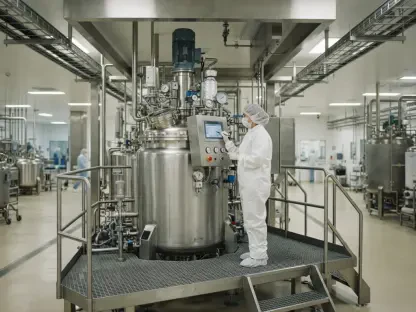
The manufacturing process follows a precise sequence: first, verify incoming components where technicians perform voltage checks to ensure quality. Second, group the cells into clusters and attach them to cooling units for thermal management. Third, weld electrical connections using high-precision lasers to fuse the contact systems. Fourth, apply protective foam to encase the components, creating a stable and durable mechanical unit. Fifth, enclose the battery by positioning and securing the outer housing with rivets. Sixth, integrate the control system by installing the Energy Master unit onto the battery. Finally, perform final inspections where every completed unit undergoes a comprehensive end-of-line test before shipment. To support this complex workflow, employees use a virtual reality training program that recreates the factory floor, allowing them to practice these specific assembly tasks in a digital environment. This builds technical confidence before workers start on the line.
3. Sustainable Features and Environmental Impact
Sustainability is deeply embedded in the design of Gen6 technology, reflecting a commitment to a circular economy through the use of recycled materials. The battery cells incorporate a significant proportion of secondary cobalt, lithium, and nickel, which reduces the need for extensive mining operations and lowers the overall environmental impact. Furthermore, the production of these cells relies on renewable energy sources, resulting in a carbon footprint that is roughly 28 percent lower than the previous generation. This advancement ensures that the transition to electric vehicles provides a genuine net benefit to the planet by addressing the full lifecycle of the battery. The focus on high energy density in these new cylindrical cells also means that vehicles can travel farther on a single charge while using fewer raw materials. By prioritizing these environmental factors, the facility sets a new standard for how high-tech manufacturing can align with global climate goals.
At the operational level, the Woodruff plant serves as a model for green industrial practices by eliminating fossil fuels during its daily activities. The facility is designed to run entirely on carbon-neutral energy, which is a critical component of the broader corporate strategy to reduce industrial emissions. Even internal logistics are optimized for sustainability, as the industrial trucks and transport vehicles operating within the site are powered by clean hydrogen. This choice eliminates tailpipe emissions within the factory and demonstrates the practical application of hydrogen technology in a large-scale industrial setting. By integrating these various green initiatives, the plant does more than just build batteries for clean cars; it operates as a sustainable entity itself. This holistic approach to environmental responsibility is essential for gaining consumer trust and meeting increasingly stringent global regulations regarding industrial carbon footprints. The facility effectively proves that manufacturing can be both productive and clean.
4. Key Insights Into Industry Transformations
Several key questions often arise regarding the specific vehicle models and the strategic reasoning behind the facility’s location in South Carolina. The batteries produced here are designed for the BMW iX5 and upcoming fully electric models scheduled for production in the United States, supporting the goal of building at least six distinct electric models locally by 2030. The choice of Woodruff was driven by the “local for local” principle, placing battery assembly just 15 miles from the vehicle plant to reduce logistics costs and emissions. This proximity allows for a more responsive supply chain that can quickly adapt to changes in market demand or production schedules. By centering the production of such critical components within the same region as the final assembly, the manufacturer minimizes the risks of international shipping delays. This regional approach also fosters a localized ecosystem of suppliers, further strengthening the economic resilience of the area.
Regarding the technical differences between battery generations, the Gen6 units represent a significant leap over the previous Gen5 technology. These new batteries feature cylindrical cells and a “cell-to-pack” design, which eliminates unnecessary modules and significantly improves energy density. This transition allows for better space utilization within the vehicle chassis and contributes to a lighter overall weight, which is crucial for extending driving range. Additionally, the workforce training for this new technology is highly specialized, utilizing virtual reality to ensure that all staff members are proficient in handling high-voltage systems. This digital-first training approach minimizes the learning curve and enhances safety protocols across the entire assembly line. These technological and educational advancements are fundamental to the success of the electrification strategy. They ensure that the company is not only producing better vehicles but also cultivating a highly skilled workforce.
5. Future Industrial Evolution
The establishment of the Woodruff facility provided a clear roadmap for the future of domestic electric vehicle manufacturing in the United States. By prioritizing the integration of advanced digital tools and sustainable materials, the industry successfully demonstrated that high-performance engineering could coexist with environmental stewardship. The transition away from fossil-fuel-dependent logistics within the plant signaled a broader movement toward carbon-neutral industrial hubs. Stakeholders observed that the “local for local” strategy effectively mitigated the risks of global supply chain disruptions while fostering regional economic growth. The successful implementation of virtual reality training programs also set a new standard for workforce development in high-tech sectors. These past initiatives created a solid foundation for the continued expansion of the electric vehicle market. The lessons learned during the initial phases of Gen6 production emphasized the importance of data-driven quality control.
Moving forward, the focus shifted toward the potential of solid-state technology and the further expansion of hydrogen power for heavy-duty transport. The infrastructure in Woodruff was designed with flexibility in mind, allowing for future upgrades as battery chemistries continued to evolve. Planners identified that the next step in the evolution of the site involved deepening the integration of renewable energy grids to ensure a consistent supply of clean power. Solutions were also sought for the long-term recycling of the batteries once they reached the end of their automotive lifespans, aiming for a truly closed-loop system. These future considerations remained at the forefront of the industrial strategy, ensuring that the facility stayed relevant in a rapidly changing technological landscape. By anticipating these shifts, the regional manufacturing hub maintained its competitive edge and continued to lead the way in sustainable transport. The commitment to innovation ensured the industry was prepared for the future.