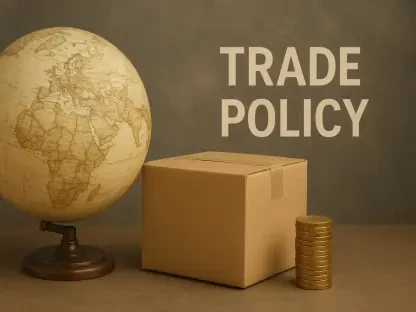

Rebalancing the Scales: The EU’s New Economic Assertiveness The recent shift in European economic diplomacy toward a more muscular trade policy signals a decisive departure from decades of passive market openness in favor of protecting the bloc’s industrial core. This transformation follows a
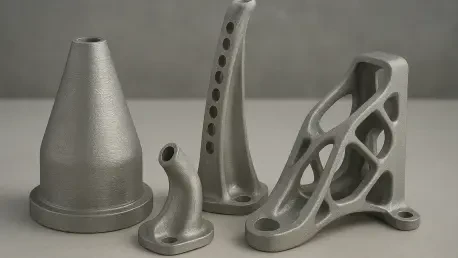
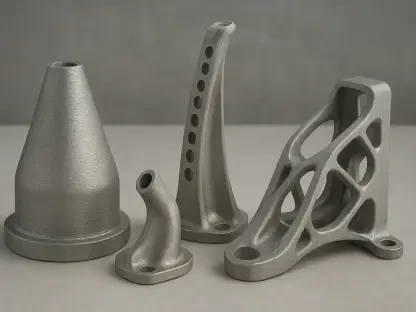
Scandium serves as a potent alloying element that can eliminate the long, pillar-like grain structures that typically weaken printed aluminum parts. The aerospace and maritime industries are perpetually navigating the complex trade-offs between manufacturing speed, component weight, and mechanical
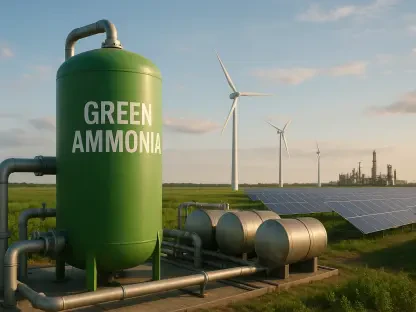
The traditional requirement for massive, centralized facilities operating under extreme temperatures may soon be replaced by localized electrochemical synthesis technologies. For over a century, the global agricultural and industrial sectors have relied almost exclusively on the Haber-Bosch process
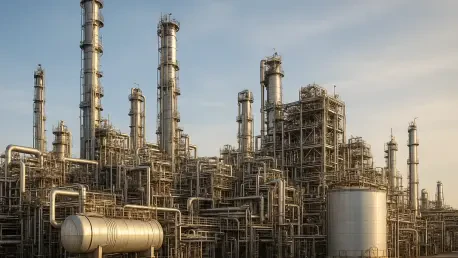
Industrial hubs in the Asia-Pacific region are currently the primary growth engines for the methanol-to-olefins market due to massive infrastructure investments. This surge reflects a fundamental shift in the global petrochemical landscape as manufacturers increasingly look beyond traditional crude
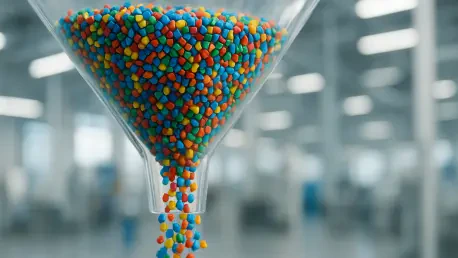
The NewCycling solvent-based process allows for the molecular-level purification of polymers, effectively removing impurities and pigments that previously limited the reuse of recycled materials. This breakthrough represents a pivotal shift in how the industry approaches the end-of-life stage for

Fine chemical manufacturing traditionally depends on geographically concentrated resources that are increasingly sensitive to global supply chain disruptions. This vulnerability has prompted a massive re-evaluation of how the industrial sector approaches catalytic processes, which remain the
1 2 3 4 5 6 7 8 9 10 11 12 13 14 15 16 17 18 19 20 21 22 23 24 25 26