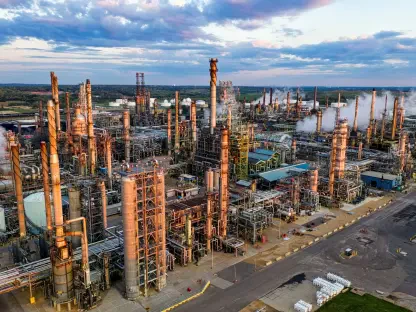

Industry experts increasingly view the traditional procurement model based on unit-price comparison as obsolete for high-value semiconductor manufacturing environments. The current push to revitalize the American semiconductor industry has resulted in multi-billion-dollar investments in sprawling
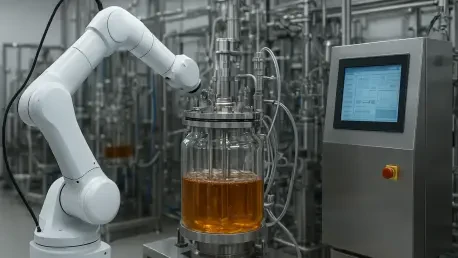
Kwame Zaire stands at the intersection of high-stakes manufacturing and the digital frontier. With an extensive background in electronics, equipment management, and production safety, he has become a leading voice on how predictive technologies can transform the factory floor. As the industry moves

Solvent selection often determines the success of a green reaction, as certain mediums like propylene carbonate can completely neutralize the influence of specific anions. This realization marks a turning point in how scientists view the delicate interplay between catalysts and their surroundings.

Modern chemical manufacturing requires a level of precision that standard industrial architecture rarely accommodates, leading to significant operational bottlenecks that frequently impede the growth of ambitious firms. For many years, industrial facilities were viewed merely as passive

Refiners and fleet operators are increasingly seeking local fuel suppliers to mitigate price volatility and ensure a steady supply of renewable energy for their operations. This shift is largely driven by a global structural change in energy markets where biodiesel has emerged as a central pillar

The traditional wall separating the chemical laboratory from the rubber-scorched pavement of the automotive world has been dismantled by a single, calculated corporate maneuver. As the specialty chemical sector undergoes a profound paradigm shift, traditional boundaries between material suppliers