
The massive shift toward electric mobility has fundamentally altered the automotive landscape in the United States, pushing traditional manufacturers to rethink their domestic production strategies and supply chain resilience. This transformation is nowhere more visible than in South Carolina, where the integration of advanced manufacturing techniques and sustainable energy solutions is creating a new blueprint for the industry. By committing a total of 1.7 billion dollars to its American operations, the BMW Group is not merely updating its assembly lines but is instead establishing a comprehensive ecosystem designed to support a rapid transition to battery-electric vehicles. This move ensures that the regional economy remains a cornerstone of global automotive exports while simultaneously addressing the increasing demand for zero-emission transportation. As the market pivots away from internal combustion engines, the strategic focus on localized battery production and vehicle assembly serves as a critical buffer against global supply chain volatility.
Strategic Expansion of South Carolina Operations
Modernization: The Spartanburg Plant Overhaul
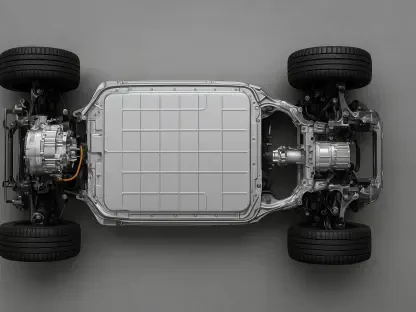
The Spartanburg facility has long served as a vital hub for global automotive distribution, and the current billion-dollar infusion marks its most significant evolution to date. Rather than simply adding a new line, the facility is undergoing a deep integration process that allows for the simultaneous production of internal combustion, plug-in hybrid, and fully electric models on the same assembly architecture. This flexible manufacturing approach is essential for navigating the current transitional period where consumer preferences vary across different global markets. Engineers have worked to redesign the logistics and flow of the plant to accommodate the heavy chassis components unique to electric vehicles while maintaining the high-speed output that the site is known for. By the end of this decade, the facility aims to produce at least six fully electric models, ensuring its relevance in a market that increasingly favors electrification. The investment also covers the extensive tooling required for these architectures, as well as the implementation of advanced testing systems for electric drivetrains.
Workforce Development: Technical Training Initiatives
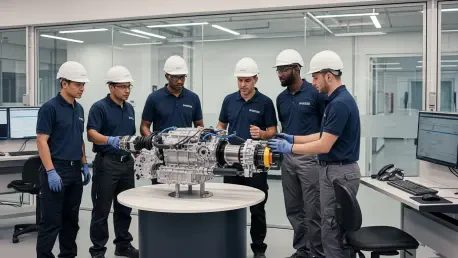
Beyond the physical machinery, the success of this transition relies heavily on the specialized knowledge of the regional workforce which is currently undergoing an extensive upskilling program. The complexity of high-voltage systems requires a different set of safety protocols and assembly techniques compared to traditional mechanical drivetrains, necessitating a complete overhaul of training modules for thousands of employees. This investment into human capital ensures that the local labor market remains competitive as the automotive industry moves toward more software-defined and electrically driven platforms. By fostering a culture of continuous learning and technical proficiency, the manufacturing plant is effectively future-proofing its operations against the obsolescence of older technologies. This strategy also involves a closer collaboration with technical colleges in the region to create a pipeline of talent that is well-versed in digital manufacturing and mechatronics. The integration of advanced robotics further streamlines the assembly of electric powertrains.
Advancements in Battery Supply Chains and Technology
The Woodruff Facility: A Localized Battery Ecosystem
A significant portion of the total investment, approximately 700 million dollars, is being directed toward the construction of a dedicated high-voltage battery assembly center in nearby Woodruff. This facility serves as the bridge between cell manufacturing and final vehicle assembly, acting as the heart of the localized supply chain for the next generation of electric vehicles. By locating this assembly site in close proximity to the main production plant, the logistics costs and carbon footprint associated with transporting heavy battery packs are drastically reduced. The Woodruff site is designed to be a state-of-the-art facility that emphasizes efficiency and precision, utilizing modular assembly stations that can be adjusted as battery technology continues to evolve. This localized approach is a direct response to the need for greater control over the most critical component of an electric vehicle. To ensure a steady supply of cells, a strategic partnership with Envision AESC has been established to build a new factory in the state.
Operational Readiness: Long-Term Sustainability Standards
The strategic allocation of 1.7 billion dollars toward American electric vehicle production provided a clear roadmap for navigating the complexities of the modern automotive industry. It was essential for stakeholders to recognize that the success of this transition depended on the seamless integration of localized battery assembly and advanced manufacturing techniques. Moving forward, the industry should prioritize the development of domestic supply chains that can withstand external shocks while maintaining a focus on technological innovation in battery chemistry. Organizations that adopted a modular and flexible approach to production were better positioned to capture market share in a rapidly evolving landscape. The focus shifted toward ensuring that sustainability was embedded into every stage of the lifecycle, from raw material extraction to final vehicle recycling. By investing in both physical infrastructure and human talent, the foundation for a resilient and profitable future was established. These actions demonstrated that a zero-emission commitment required long-term excellence.