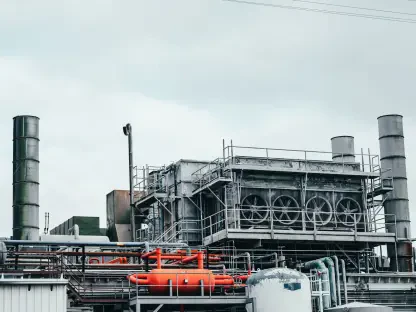

The localized stability of a single industrial vessel in Southern California prevented a catastrophic failure that could have halted production lines for the world’s most advanced commercial and military aircraft. In the city of Garden Grove, a routine chemical storage operation transformed into a ticking time bomb, threatening to send shockwaves far beyond the suburban landscape. This event serves as a sobering reminder of the delicate thread upon which the global aviation industry hangs, where the failure of one component in the manufacturing process can paralyze an entire sector.
A Holiday Weekend Defined by Seven Thousand Gallons of Volatile Chemistry
During a major holiday weekend, the air in Orange County grew thick with tension as a storage tank at the GKN Aerospace plant began to exhibit signs of a dangerous thermal runaway. Approximately seven thousand gallons of methyl methacrylate—a highly flammable precursor to aviation-grade plastics—started to heat up autonomously, defying standard cooling protocols. What began as a technical anomaly quickly transformed into a high-stakes standoff against a potential blast that would have leveled structures and endangered thousands of lives.
The incident forced the immediate evacuation of 50,000 people, turning quiet residential streets into a massive logistical puzzle for emergency responders. Families were uprooted during a time usually reserved for celebration, highlighting the intrusive nature of industrial risk in urban environments. As the temperature inside the vessel climbed, the line between a controlled manufacturing process and a regional disaster blurred, forcing a specialized team of hazardous materials experts to intervene before the chemical reaction reached the point of no return.
The Strategic Importance of GKN Aerospace in a Fragile Global Market
To understand why an overheating tank in California sent ripples through the boardrooms of global aviation giants, one must recognize the nearly monopolistic role held by GKN Aerospace. The facility is a primary supplier of specialized acrylics and transparencies, which are the high-tech windows and cockpit canopies found on everything from commercial jets to stealth fighters. Because these components must meet rigorous aerodynamic and safety standards, the number of qualified manufacturers is vanishingly small, creating a bottleneck that leaves the entire market vulnerable.
In a modern economic landscape already plagued by delivery delays and material shortages, the sudden removal of a key production hub could be devastating. A significant disruption at this single site would not just delay a few flights; it could potentially stall assembly lines for major aerospace firms across multiple continents. This concentration of production capacity means that localized industrial failures are no longer just local problems; they are systemic threats to international trade and national defense.
From Overheating to Stabilization: The Mechanics of the Garden Grove Crisis
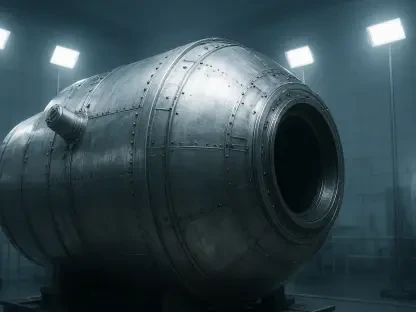
The technical crisis reached its peak when internal tank temperatures hit 100 degrees Fahrenheit, causing the liquid methyl methacrylate to transition into a gaseous state. This phase change created immense internal pressure, turning the storage vessel into a giant pressure cooker on the verge of rupture. Mitigation efforts required a counterintuitive and delicate approach to thermal management, including the removal of thick external insulation to help the tank shed heat into the surrounding atmosphere despite the summer sun.
Emergency crews utilized a fortunate structural breach—a small crack that appeared in the tank’s hull—to vent mounting pressure in a controlled manner. This strategic utilization of a technical failure prevented a more violent explosion, allowing the internal temperature to slowly recede toward ambient levels. While the situation was eventually downgraded, the narrow escape underscored the razor-thin margin for error inherent in managing volatile chemistry within aging industrial infrastructure.
Assessing the Public Safety Response and Long-Term Environmental Impact
The logistical undertaking of evacuating two-thirds of a city illustrated the massive social and economic cost associated with industrial malfunctions in densely populated areas. While the immediate threat of fire was the primary focus, the long-term environmental consequences and public health concerns weighed heavily on the community. The involvement of the EPA and the South Coast Air Quality Management District brought renewed scrutiny to the facility’s history, which included previous regulatory friction regarding chemical emissions and administrative recordkeeping.
Even as residents returned to their homes, the task of monitoring air and water systems remained a top priority to ensure no toxic exposure occurred during the venting process. Methyl methacrylate is known to cause respiratory distress and neurological symptoms, making the absence of a visible toxic plume a relief rather than a guarantee of safety. This incident has reignited debates over the proximity of heavy industrial processing to residential zones and the adequacy of current oversight mechanisms to protect public health.
Expert Perspectives on Manufacturing Bottlenecks and Global Risk
Industry analysts, including prominent experts like Richard Aboulafia, emphasize that the aerospace sector currently operates with almost no margin for safety regarding its supplier base. The trend toward lean manufacturing and highly specialized, single-source procurement has created a “single point of failure” dynamic. When one facility in Garden Grove faces a shutdown, it does not take long for the effects to reach the final assembly lines of commercial airliners in Europe or military hangars in the Pacific.
This vulnerability is a symptom of a global supply chain that prioritizes efficiency over redundancy, leaving it susceptible to localized shocks. Expert consensus suggests that the GKN incident should be viewed as a warning shot for the entire industry. The complexity of modern aircraft means that even the most advanced flight systems are ultimately dependent on the stable storage of basic chemical building blocks, proving that the foundation of global flight is surprisingly fragile.
Practical Strategies for Enhancing Industrial Resilience and Safety
To enhance industrial resilience, manufacturers and chemical processors moved toward the modernization of cooling systems and the implementation of redundant pressure-relief protocols. Companies established more transparent, real-time communication frameworks with local responders to ensure that safety decisions were grounded in precise technical data. Furthermore, diversifying the supplier base for critical transparencies became a strategic priority for insulating the global market against the volatility of a single manufacturing site.
These initiatives addressed the systemic risks revealed by the crisis and fostered a more robust infrastructure for the future of aerospace. The industry recognized that maintaining public trust required not only technical excellence but also a demonstrable commitment to environmental stewardship and community safety. Ultimately, the lessons learned from the Garden Grove standoff provided a roadmap for building a more secure and reliable global supply chain that prioritized stability over short-term savings.