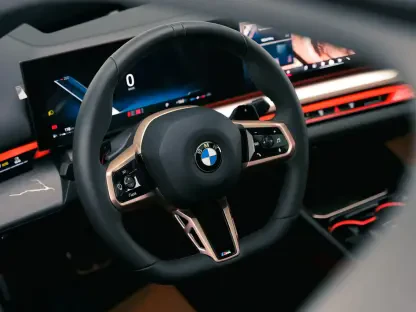

The upcoming X5 series will implement a power of choice strategy by offering battery-electric, hybrid, combustion, and hydrogen drivetrains. This decision represents a pivotal moment in the industry as manufacturers diversify energy portfolios to meet global demands. By moving beyond a singular focus on battery-electric systems, the initiative signals a commitment to hydrogen as a necessary pillar of sustainable mobility. The current landscape necessitates a multi-technology approach, allowing for flexibility in regions where charging grids remain underdeveloped or where heavy towing and long-range travel are primary concerns. At the heart of this transition is the flagship iX5 Hydrogen, which has moved from the conceptual stage into a rigorous validation phase. This evolution ensures the brand remains resilient against shifting regulatory environments while providing customers with options that do not compromise on performance or convenience for their driving needs.
Industrialization of Hydrogen Systems
Manufacturing Transition in Steyr
Moving toward the industrialization of hydrogen technology requires an upgrade to existing manufacturing ecosystems. The transition from prototype builds to large-scale series production is currently being realized at the facility in Steyr, Austria. This location, historically known for high-performance engines, is being transformed into a global hub for hydrogen powertrain components. New investments led to the installation of specialized test benches and automated equipment designed for the unique requirements of hydrogen storage systems. Engineers focused on refining these assembly processes to ensure they met the same rigorous quality standards as traditional combustion lines. Beyond the machinery, training programs were established to upskill the workforce, preparing them for the complexities of high-pressure systems and fuel cell integration. This shift ensured that the facility was ready to support the rollout of zero-emission vehicles without sacrificing industrial efficiency.
Munich Competence Center Roles
While the Steyr facility focuses on the broader powertrain, the Hydrogen Competence Center in Munich serves as the critical hub for fuel cell assembly. The third-generation fuel cell system is currently being produced here, utilizing techniques that bridge the gap between engineering and mass production. This facility manages the sophisticated stack assembly process, where individual cells are layered and sealed with extreme precision. The integration of high-voltage batteries and electric motors with these fuel cell stacks requires coordination that traditional manufacturing lines are rarely equipped to handle. By concentrating this expertise in Munich, the company managed to streamline the feedback loop between research and development and the production floor. This proximity allowed for rapid adjustments during the validation phase, ensuring that every unit leaving the center adhered to performance benchmarks while maintaining a highly scalable and cost-effective manufacturing model.
Engineering and Global Partnerships
Toyota Partnership and Efficiency
The technical prowess of the iX5 Hydrogen is largely rooted in a long-standing partnership with Toyota Motor Corporation. This collaboration allowed for the refinement of the fuel cell stack, while internal engineering teams focused on the “Energy Master” control unit. This central brain manages the complex interplay between the fuel cell, the high-voltage battery, and the electric motor to maximize energy recovery and overall efficiency. The resulting performance metrics are impressive, with the vehicle achieving a sprint from zero to one hundred kilometers per hour in less than five seconds. Furthermore, the range of seven hundred and fifty kilometers on the WLTP cycle positions hydrogen as a legitimate competitor to long-range diesel engines and battery-electric vehicles. By optimizing how the system recuperates energy during braking, the engineers achieved a balance between high-power output and conservative consumption, maintaining the driving dynamics expected of the modern market.
Infrastructure Funding and Policy
Strategic expansion of hydrogen mobility was significantly bolstered by massive public and private investment. The “HyPowerDrive” project, supported by the IPCEI Hy2Move initiative, secured approximately two hundred and seventy-three million euros in funding from government sources in Germany and Bavaria. These funds were directed toward establishing a robust supply chain and improving the fueling infrastructure necessary for adoption. Policymakers recognized that hydrogen provided a solution for heavy-duty transport and long-distance travel, leading to the rollout of high-pressure refueling stations. As infrastructure matured, the industry turned toward the production of green hydrogen through electrolysis, ensuring the fuel remained carbon-neutral. This holistic approach provided a roadmap for integrating hydrogen into the energy economy. Future considerations moved toward standardizing refueling protocols across borders to facilitate seamless cross-continental travel and logistics for all users.