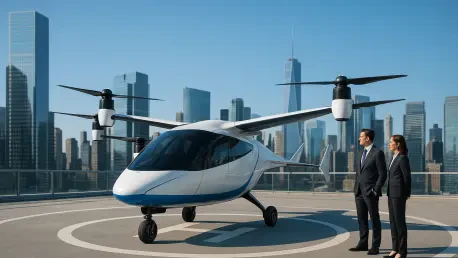

The convergence of automotive software sophistication and aerospace engineering has ignited a race toward the sky, positioning vertical flight as the most viable solution for modern urban gridlock. The partnership between Tata Elxsi and Sarla Aviation marks a transformative milestone in the aerospace sector, signaling a definitive shift toward indigenous innovation in high-tech transportation. By formalizing a Memorandum of Understanding, these two entities have committed to the ambitious goal of designing and engineering Shunya, a pioneering electric vertical take-off and landing aircraft. This collaboration aims to address the growing demand for efficient, runway-independent travel while positioning the region as a significant player in the global Advanced Air Mobility market.
This analysis explores the technical synergy between a global engineering powerhouse and a specialized aviation startup. By examining how their combined expertise aims to solve the logistical and engineering challenges of modern flight, a clearer picture of the regional transport landscape emerges. From the development of sophisticated avionics to the rigorous path toward regulatory certification, this partnership offers a blueprint for the future of regional and urban air travel, emphasizing sustainability and software-defined mobility. The project stands as a testament to the power of strategic alignment in a rapidly evolving technological era.
Bridging Technology and Aviation for a New Era of Urban Mobility
The emergence of eVTOL technology is rooted in a global effort to decarbonize aviation and bypass the increasing congestion of ground-based infrastructure. Historically, vertical flight was limited to helicopters, which often remained expensive, loud, and maintenance-intensive. However, the maturation of battery technology, distributed electric propulsion, and fly-by-wire systems has paved the way for a new class of aircraft that promises quieter and more cost-effective operations. The need for such innovation is particularly acute in densely populated centers where geographical challenges often hinder traditional regional connectivity.
Understanding the significance of this partnership requires recognizing the shift from mechanical-heavy aerospace design to software-centric platforms. This project builds upon decades of progress in systems integration and autonomous navigation. By localizing the development of the Shunya platform, the partners are not just building a vehicle but are creating a domestic ecosystem that reduces reliance on foreign original equipment manufacturers and fosters a new generation of aerospace engineering. This move highlights a strategic pivot toward self-reliance in critical transportation infrastructure.
The Foundation of Advanced Air Mobility in the Indian Context
As the demand for rapid transit grows, the limitations of traditional road and rail networks become more apparent, necessitating a leap into the third dimension of travel. The Advanced Air Mobility sector is currently undergoing a massive transformation, driven by the convergence of electrification and automated flight controls. This sector is no longer a futuristic concept but a rapidly approaching reality, with pilot programs and infrastructure planning already underway in major global hubs. The partnership addresses these shifts by focusing on the unique environmental and operational constraints of the domestic market.
Moreover, the transition to electric aviation is deeply linked to broader net-zero carbon goals. By replacing internal combustion engines with electric motors, these aircraft significantly reduce greenhouse gas emissions and noise pollution. This environmental focus is not merely a regulatory requirement but a core component of the business model, as modern consumers and municipalities increasingly prioritize green transit solutions. The Shunya project, therefore, serves as a catalyst for a more sustainable approach to regional logistics and passenger movement.
Engineering the Shunya Platform: Technical Mastery and Innovation
Sophisticated Systems Integration and Software-Defined Flight
A critical aspect of the Shunya aircraft is its reliance on a software-defined architecture, which allows for continuous updates and enhanced safety protocols. Tata Elxsi brings its extensive experience in multi-domain engineering to develop the aircraft’s nervous system, which includes advanced avionics and flight control systems. A key technical challenge in this field is sensor fusion—the ability to synthesize data from various inputs to ensure precise navigation. Validating these complex systems is essential for creating a platform that is as reliable as traditional commercial aircraft while maintaining the agility required for vertical operations.
Versatility Across Commercial, Medical, and Defense Sectors
Building upon the technical foundation, the Shunya platform is designed for diverse mission profiles, extending its utility beyond simple urban taxi services. With a six-passenger capacity and a projected range of over 300 kilometers, the aircraft is positioned as a multi-use tool. In the commercial sector, it promises to revolutionize regional logistics by bypassing surface traffic. Simultaneously, its vertical agility makes it an ideal candidate for emergency medical services, serving as a high-speed air ambulance that can land in areas inaccessible to fixed-wing planes or large vehicles.
Navigating Global Regulatory Standards and Certification
The complexity of the project is further heightened by the rigorous type certification process required for any new aircraft design. Sarla Aviation leads this effort, focusing on the regulatory approvals necessary to prove the design meets stringent safety and environmental standards. A common misconception in the industry is that the primary hurdle is purely mechanical; in reality, the challenge lies in harmonizing innovative designs with existing airspace regulations. This partnership addresses these complexities by combining aeronautical focus with a systematic approach to industrial design and international airworthiness compliance.
Emerging Trends Shaping the Future of Sustainable Aviation
The landscape of the aerospace industry is undergoing a radical shift toward electrification and automation that will redefine the next decade. One of the most prominent trends is the rapid improvement in battery density, which is making short-to-medium-haul electric flights increasingly viable. As these technologies mature, the cost of aerial transit is expected to drop, potentially disrupting the traditional short-haul airline market. This economic shift is forcing a reimagining of urban infrastructure, with specialized transit hubs expected to become as common as traditional bus or train stations.
Furthermore, regulatory bodies worldwide are beginning to establish frameworks for integrating autonomous and semi-autonomous aircraft into civilian airspace. Experts predict that the success of the Shunya venture will serve as a bellwether for the maturity of the regional aerospace sector. As these technologies evolve, there will be a transition toward more integrated multi-modal transport systems, where eVTOLs provide the final aerial link in a seamless digital travel experience. The integration of artificial intelligence in flight management will further enhance safety and operational efficiency.
Strategic Recommendations for an Evolving Ecosystem
For stakeholders looking to capitalize on the rise of Advanced Air Mobility, prioritizing multidisciplinary partnerships is essential for long-term success. Businesses should focus on bridging the gap between traditional aerospace engineering and modern software development to remain competitive. Additionally, investing heavily in the verification and validation phases of development ensures that safety remains the top priority. This approach not only facilitates regulatory approval but also builds the public trust necessary for the widespread adoption of new flight technologies.
For policymakers and urban planners, the recommendation is to begin preparing the regulatory and physical infrastructure required to support these operations immediately. This includes establishing clear guidelines for low-altitude flight corridors and investing in specialized charging infrastructure. By fostering a collaborative environment between private innovators and public regulators, the transition from conceptual prototypes to commercially operational realities can be accelerated. Proactive planning will ensure that the integration of such platforms into the existing transport grid is both safe and efficient.
Redefining Mobility Through Strategic Synergy
The collaboration between Tata Elxsi and Sarla Aviation represented a bold leap toward a more connected and sustainable future for regional transportation. By focusing on the development of the Shunya platform, these companies addressed the dual challenges of urban congestion and environmental impact through cutting-edge engineering. This initiative demonstrated that the future of flight was not merely about moving through the air but about the sophisticated integration of software, design, and regulatory precision. The project successfully established a new benchmark for how domestic aerospace ventures could compete on a global stage by prioritizing indigenous innovation.
As the program moved toward its first-flight milestones, the strategic alignment between the two entities proved vital for navigating the complexities of the aviation industry. The Shunya aircraft became a testament to the power of cross-sector collaboration, merging high-tech software capabilities with specialized aeronautical design. Ultimately, this venture served as a clear call to action for the industry to embrace electrification and software-defined systems. The lessons learned from this partnership provided the framework for the next generation of mobility, ensuring that air travel became safer, cleaner, and more accessible for diverse populations.