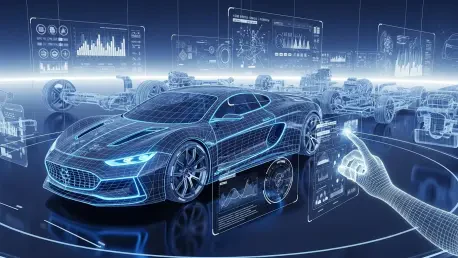

The traditional image of engineers huddling around a clay model has been replaced by a high-fidelity digital landscape where vehicles are perfected before a single piece of metal is ever stamped. This evolution marks the definitive end of the physical prototype era, as digital twins and artificial intelligence fundamentally alter the pace of automotive innovation. Transitioning from sequential handoffs to synchronous engineering is no longer an optional luxury; it is a necessity for manufacturers navigating the complexities of the modern market. This analysis explores how virtual-first methodologies, integrated extended reality, and advanced energy storage systems are redefining the industry’s trajectory.
The Transition to Digital-First Engineering and Real-World Application
Market Trajectory and the Adoption of Synchronous Models
The automotive sector is witnessing a massive pivot from linear development cycles toward concurrent manufacturing frameworks. By utilizing unified digital environments, companies are slashing development costs and significantly reducing time-to-market. Data suggests that the adoption of digital twins has become a cornerstone for stabilizing global production chains, allowing for a thirty percent reduction in physical testing requirements across major manufacturers. This shift ensures that every department works from a single source of truth simultaneously.
Moreover, the transition to synchronous engineering has eliminated the traditional friction found between design and manufacturing teams. In the past, months were lost in the handoff between conceptual CAD models and factory floor implementation. Today, digital validation allows for real-time adjustments, meaning that software and hardware development move in lockstep. This alignment has proven essential for maintaining agility in an environment where consumer expectations for technology integration change almost monthly.
Practical Implementation: Bridging CAD and Physical Production at GM
General Motors serves as a primary example of this digital-first philosophy through its use of extended reality for assembly reviews. By merging computer-aided design with high-fidelity digital validation, engineers identify ergonomic issues and verify tool placement without building a single physical frame. Augmented reality allows workers to visualize assembly sequences on the plant floor, moving beyond 3D-printed prototypes toward a process where the first physical build is essentially the production-ready version.
This methodology relies on a high-fidelity digital thread that connects the initial sketch to the final assembly line. Consequently, the reliance on expensive hardware iterations has diminished. By using augmented reality headsets, technicians can interact with virtual components to ensure that every bolt and wire harness is accessible. This proactive approach has significantly lowered the risk of late-stage engineering changes, which were historically the most expensive hurdles in vehicle development.
Strategic Impact and Industry Perspectives on Virtual Validation
Expert Insights on AI-Driven Design Space Exploration
Industry leaders emphasize that artificial intelligence is no longer just a buzzword but a core engine for design-space exploration. These systems process thousands of design concepts, facilitating rapid feedback loops that human teams could not achieve alone. For instance, testing protocols like roof crush analysis, which previously required up to forty hours of computation, are now completed in under five minutes. This efficiency allows engineers to investigate complex edge cases that are nearly impossible to replicate in physical crash labs.
Furthermore, AI-driven simulation allows for a level of granular analysis that was previously unthinkable. Engineers can now simulate how different materials react under extreme thermal stress or high-speed impacts within seconds. This allows for a more iterative design process where the machine proposes optimizations for weight and strength that human designers then refine. The result is a vehicle that is not only safer but also significantly more efficient to manufacture.
Industry Views on Navigating Global Trade and Logistical Complexity
Virtual development serves as a strategic shield against the volatility of global trade and logistical bottlenecks. By simulating supply chain disruptions in a virtual environment, manufacturers can pivot their sourcing strategies before a hardware shortage halts the line. Experts argue that while AI handles the heavy lifting of data processing, human oversight remains vital to interpret results within the context of shifting regulatory landscapes. This multidisciplinary collaboration mitigates risks that once paralyzed traditional manufacturing models.
Moreover, the ability to validate components virtually reduces the need to ship physical parts across borders for testing purposes. This has lead to a smaller carbon footprint during the development phase and less reliance on international shipping schedules. In contrast to the rigid structures of the past, the current virtual-first model allows for a decentralized engineering approach where global teams contribute to a single digital model in real time, regardless of their geographic location.
Future Outlook: Synergy Between AI and Sustainable Energy
Beyond Lithium: The Rise of Sodium-Ion and Second-Life Battery Programs
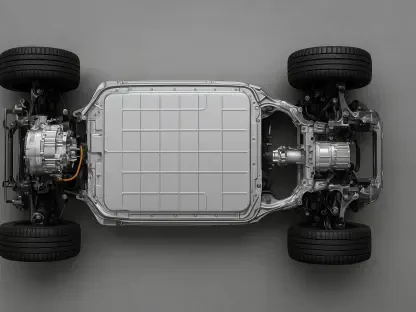
The focus on sustainable energy is expanding beyond lithium-ion chemistry toward more abundant alternatives like sodium-ion batteries. These units are increasingly utilized for grid-scale storage, providing a cost-effective solution for stabilizing energy infrastructure. Manufacturers are currently scaling sodium-ion production to meet the demand for stationary power, which relieves pressure on the lithium supply chain. This diversification is critical for maintaining the momentum of the global energy transition.
Additionally, second-life battery programs are gaining traction, repurposing used vehicle packs to provide significant transmittable energy and generate local revenue. These programs ensure that the lifecycle of a battery extends far beyond its initial use in a car, creating a more circular economy. By integrating these used batteries into local microgrids, communities can ensure a reliable power supply while reducing the environmental impact of battery disposal.
Long-Term Projections for a Zero-Emission Automotive Landscape
As the industry moves toward a fully electric future, the goal of carbon neutrality remains the ultimate target. The phase-out of internal combustion engines has reached a turning point this year, with many brands completing their transition to fully electric lineups. This shift is supported by new battery chemistries and the massive efficiency gains found through virtual development. The convergence of these technologies ensures that the automotive landscape is not only zero-emission but also more resilient to energy market fluctuations.
However, reaching these targets requires a continued commitment to infrastructure development and renewable energy integration. The synergy between AI-optimized vehicle design and sustainable energy storage is the foundation of this new era. As manufacturers continue to refine their digital tools, the gap between conceptual sustainability and real-world impact will continue to close, ensuring a cleaner environment for the next generation.
Conclusion: Setting a New Standard for Automotive Innovation
The shift toward concurrent engineering and AI-powered simulation established a new benchmark for how vehicles reached the consumer. Virtual-first development became the primary tool for meeting aggressive sustainability and safety targets while reducing physical waste. Manufacturers that embraced these digital environments found themselves better positioned to handle the complexities of a carbon-neutral market. This digital transformation ultimately paved the way for a more agile and efficient global transportation network. Moving forward, the industry should focus on integrating decentralized energy grids with vehicle-to-load technologies to further enhance grid stability. Expanding the use of generative design for lightweighting remains a critical step for maximizing the range of future electric platforms. Sustaining this momentum required a workforce skilled in both mechanical engineering and advanced data science.