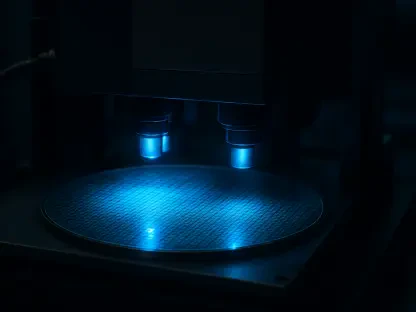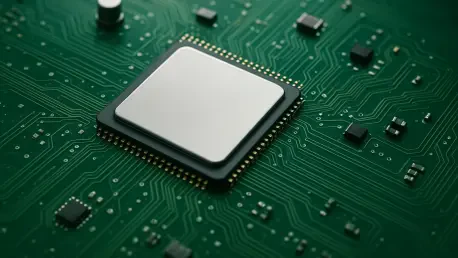

The transition toward smart ultrasound probes and advanced diagnostics is driving a need for specialized chips that handle massive data throughput with minimal heat. This requirement has fundamentally altered the landscape of medical semiconductor development, as generic off-the-shelf components often fail to meet the rigorous thermal and energy efficiency standards required for hand-held or wearable clinical tools. SEALSQ Corp has addressed this demand through the strategic acquisition of IC’Alps, a Grenoble-based design house that specializes in custom Application-Specific Integrated Circuits. By focusing on the unique architecture of modern healthcare hardware, this partnership ensures that medical device manufacturers can bypass the limitations of general-purpose silicon. The move signifies a shift toward vertical integration where security and performance are baked into the physical design of the chip from the start. Such a tailored approach is essential for supporting the next generation of real-time diagnostic tools that rely on high-fidelity data acquisition.
Engineering Precision: Modern Medical Semiconductor Development
Custom Architectures: Optimizing Power and Performance
Achieving extreme miniaturization without sacrificing performance remains a primary hurdle for developers of implantable and wearable medical devices. IC’Alps addresses this challenge by utilizing ISO 13485-certified design processes, which are mandatory for ensuring the safety and reliability of life-critical electronic systems. The focus is often on reducing power consumption to the level of nanowatts, a necessity for devices like intracranial pressure monitors or cardiac regulators that must operate for years on a single battery charge. By optimizing the chip layout for specific therapeutic functions, engineers can eliminate unnecessary peripheral logic that consumes energy in standard processors. For instance, brain-computer interfaces require high-speed data processing to translate neural signals into digital commands with near-zero latency. Similarly, smart ultrasound probes utilize these specialized chips to manage the intensive computational load of image reconstruction within a handheld unit, enabling less invasive procedures and improving comfort during long-term monitoring.
Security Integration: Safeguarding the Future of Patient Data
As medical devices become increasingly interconnected, they present a growing surface for cyberattacks, making data security a non-negotiable component of hardware design. SEALSQ countered this risk by embedding proprietary Post-Quantum technology and Public Key Infrastructure software into the IC’Alps silicon. This “security-by-design” methodology ensured that sensitive patient data remained protected against both current and emerging computational threats. By integrating encryption engines directly into the ASIC architecture, the system secured communications without the significant latency or power drain associated with software-based layers. This transition prompted developers to adopt modular hardware that adapted to clinical needs during the period from 2026 to 2028 without compromising the security core. To maintain this momentum, stakeholders should prioritize early-stage collaboration between chip designers and clinical engineers. Such a strategy ensured that hardware limitations never hindered diagnostic innovation while establishing a robust framework for future-proofed medical systems.